
Last updated November 16, 2026
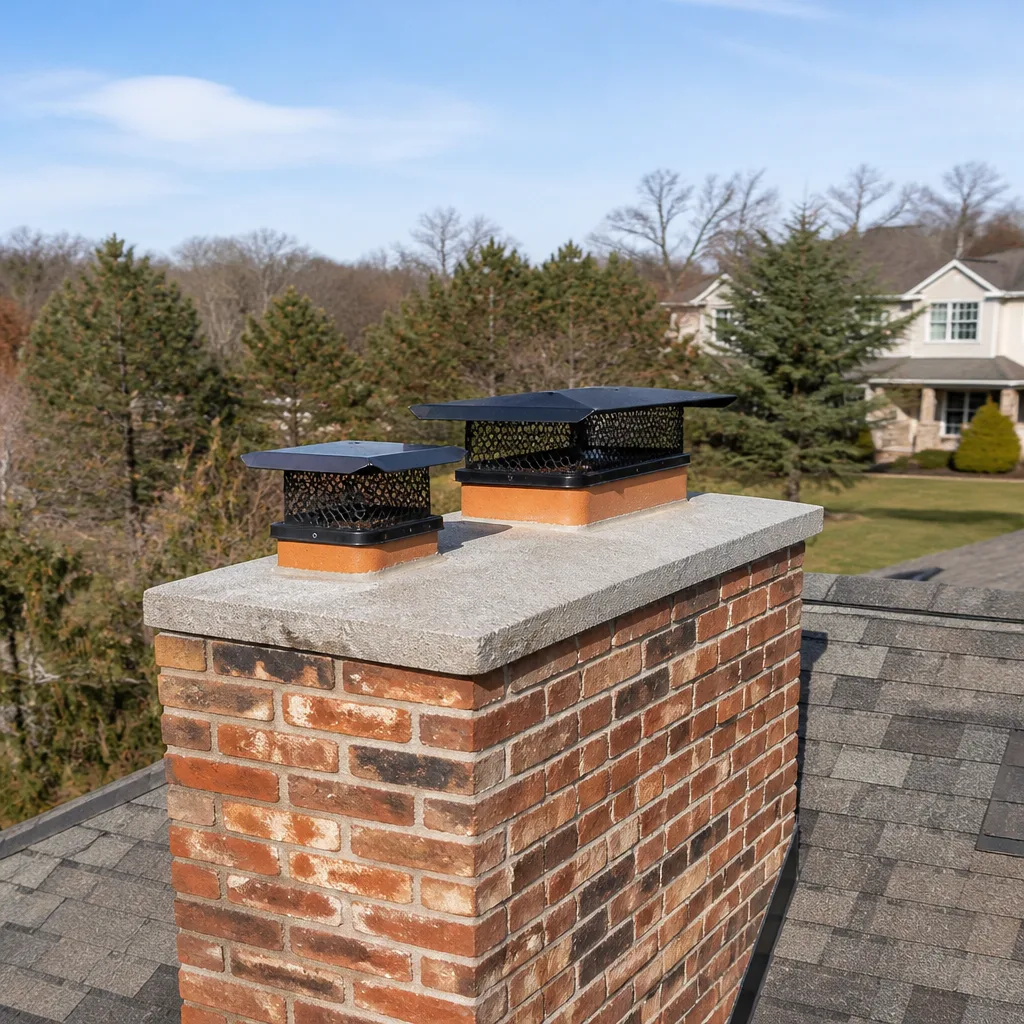 Sweep & inspection
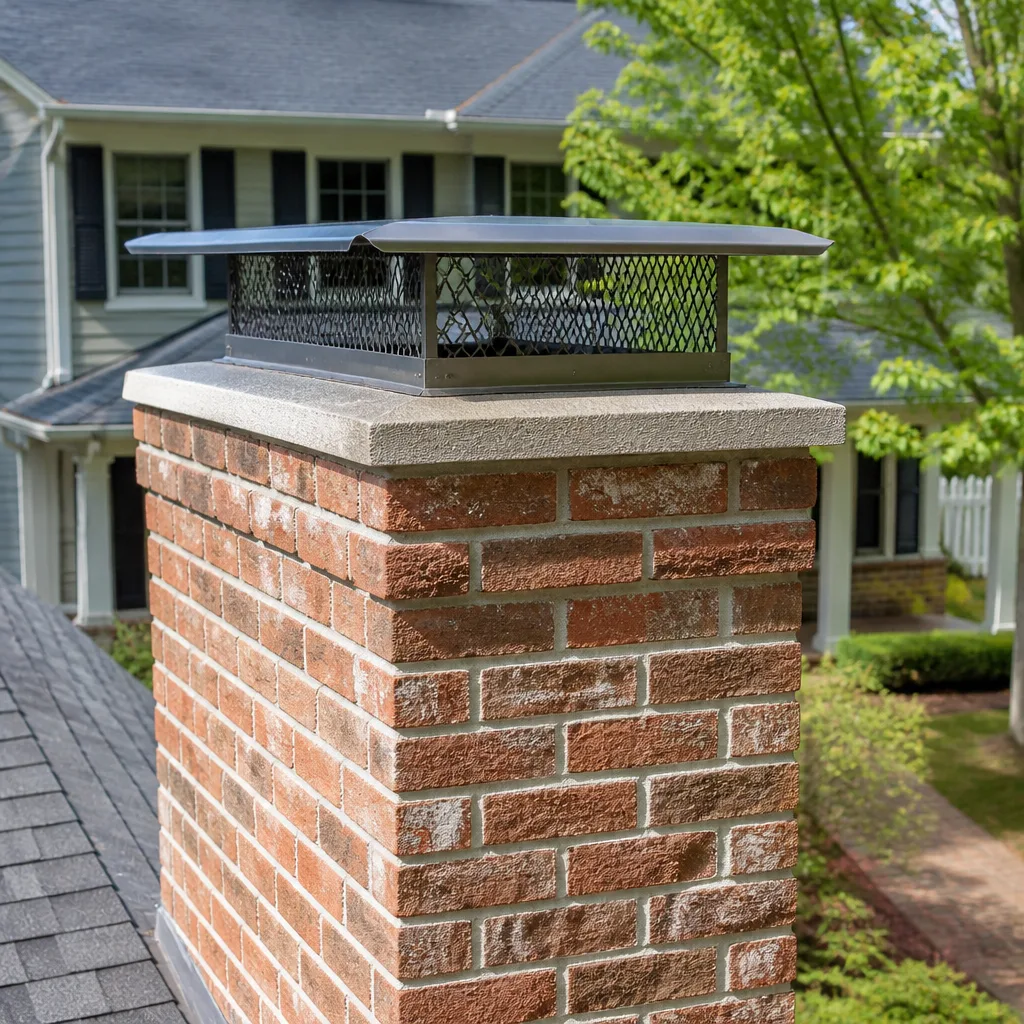 Caps & crowns
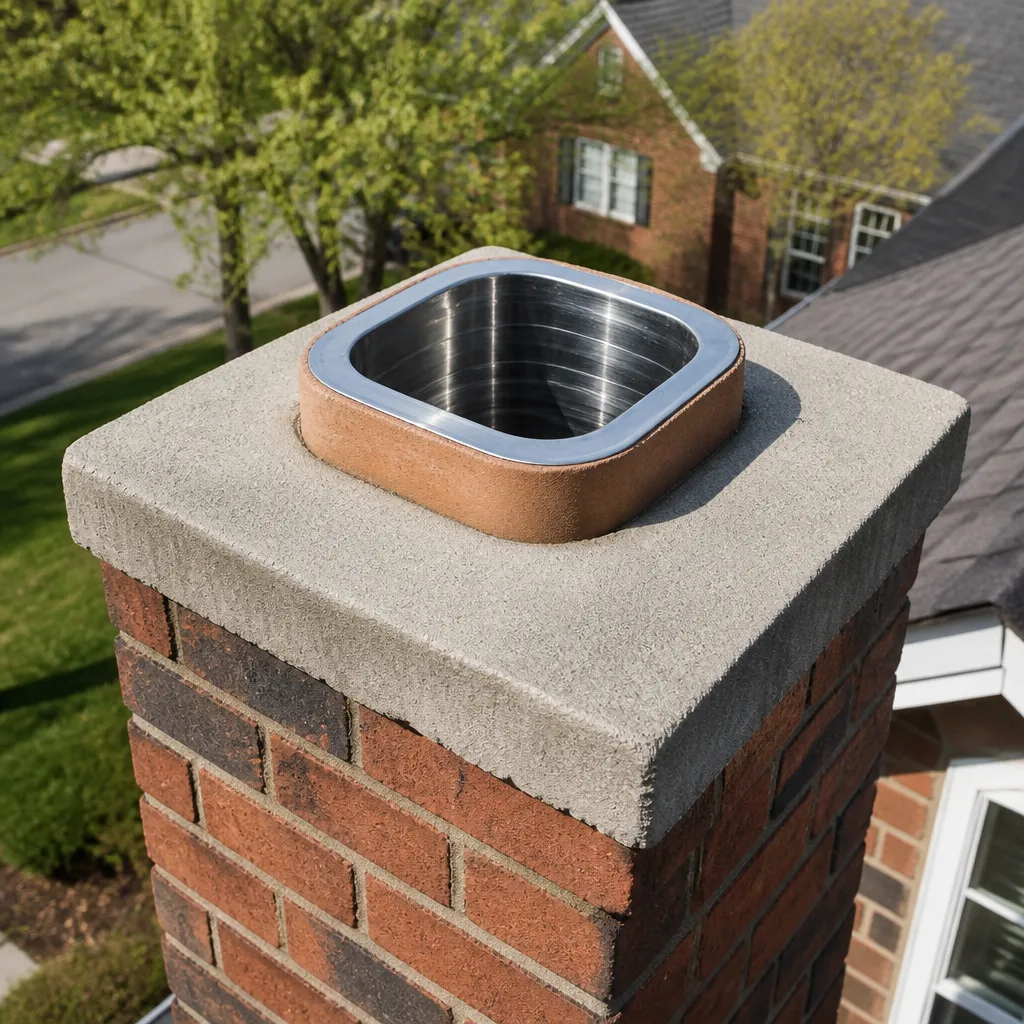 Flue relining
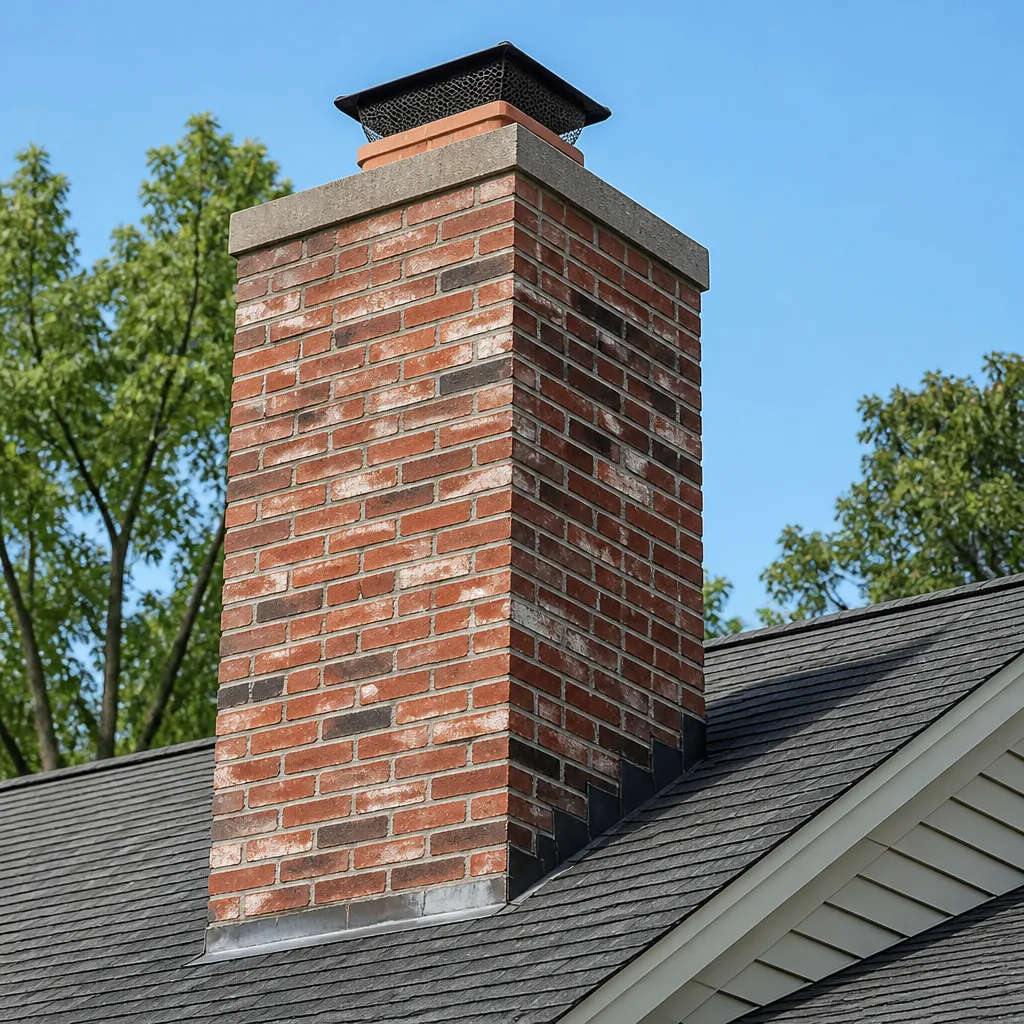 Masonry repair
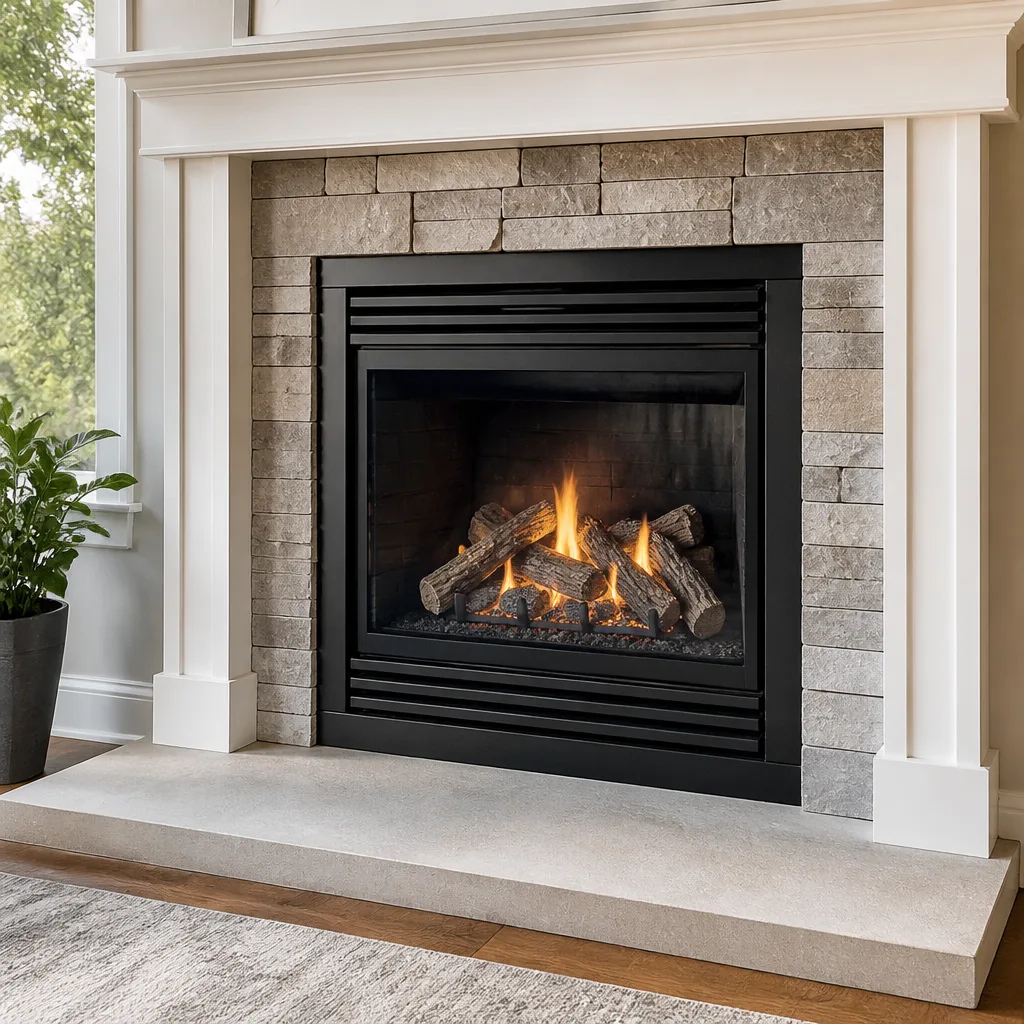 Gas fireplace service
Level 1 sweep and inspection to the NFPA 211 annual standard - flue, crown, cap, and flashing checked and photographed
Chimney sweep logs do not sweep chimneys. They loosen some creosote - which then falls where a brush and vacuum still have to collect it.
DIY vs Professional Chimney Cleaning: The Gilbert Homeowner’s Decision Guide
The brush work is the easy part. Anyone with a ladder, a rod-and-brush kit, and a free afternoon can loosen soot from a flue, and plenty of Gilbert homeowners do exactly that. But cleaning is only half of what a professional sweep actually delivers, and it’s the smaller half. The reason a professional visit matters here isn’t the creosote removal; it’s the structural assessment that happens while a trained technician is already inside the system, checking the liner, the smoke chamber, the crown, and the venting on your gas appliances. In this guide we’ll walk you through what a DIY cleaning can legitimately accomplish, what it can’t, the equipment gap that matters more than most people realize, and a clear framework for deciding which route is right for your Gilbert home.
Quick Answer
A DIY chimney cleaning can remove light, Stage 1 creosote from an accessible single-flue wood-burning chimney, but it cannot assess liner condition, smoke chamber integrity, crown wear, or gas appliance venting, and it won’t produce the inspection documentation an insurer or a real-estate transaction may require. For most Gilbert homeowners with a regularly used fireplace, professional cleaning plus inspection is the safer and more economical choice once you account for what a missed defect costs to repair.
Styles & brands we work with
- Sweep & inspection
- Caps & crowns
- Flue relining
- Masonry repair
- Gas fireplace service
Table of Contents
- What a DIY Chimney Cleaning Can Actually Accomplish
- What DIY Cleaning Cannot Do
- The Equipment Gap: HEPA Vacuums vs. Shop Vacs
- Understanding Creosote Stages in Gilbert’s Climate
- The Liability and Documentation Question
- A Decision Framework for Gilbert Homeowners
- What the Professional Assessment Actually Covers
- DIY vs Professional: A Realistic Cost Comparison
What a DIY Chimney Cleaning Can Actually Accomplish
We’re not going to pretend a homeowner can’t clean a chimney. In the right circumstances, a DIY cleaning is a legitimate piece of maintenance, and we’d rather you understand when it works than assume a brush is always beyond reach.
A DIY cleaning is a reasonable choice when all of the following are true:
- You have a single-flue, wood-burning system with a straight vertical run and no offset or dramatic bend that a consumer rod can’t navigate.
- The creosote is Stage 1, meaning light, flaky soot that brushes off easily, not the glazed or tar-like deposits that require mechanical rotary tools.
- The chimney was professionally inspected recently, so you already know the liner, crown, and smoke chamber are sound and you’re not cleaning a compromised system.
- You have safe roof access on a low-pitch or flat section, with no height or fall risk that outweighs the value of the cleaning.
- You’re using the fireplace regularly and want to stay ahead of buildup between professional visits, not replace those visits.
What a DIY job gets you is a flue with less soot. That’s real, and it reduces the fuel load available to a chimney fire. For a Gilbert homeowner who burns a few cords a season and has a clean inspection history, brushing the flue as a supplement to a professional sweep every year or two is a defensible approach. The key word is supplement. Where DIY runs into trouble is when it becomes the only thing done to the system, because the moment you’re satisfied the flue looks clear, the inspection that would have caught a cracked liner never happens.
What DIY Cleaning Cannot Do
This is where the honest comparison gets serious. A consumer rod-and-brush kit addresses one surface of one component. A professional sweep with inspection addresses the whole system, and the list of things a homeowner can’t reasonably evaluate is longer than the list of things they can.
Here’s what a DIY cleaning leaves untouched:
- Stage 2 and Stage 3 creosote. Glazed, hardened deposits and the tar-like Stage 3 crust require rotary chains, chemical treatment, or both. A hand brush skates over them, and they are the deposits most associated with chimney fires.
- Liner inspection. A cracked or spalled clay tile liner, or a compromised stainless liner, is invisible from the firebox. It’s also the failure point that lets heat reach framing.
- Smoke chamber assessment. The smoke chamber is the sloped area above the damper and below the flue. It collects creosote, and its shape affects draft. You can’t see it with a flashlight from below, and that’s where professional camera inspection earns its keep.
- Crown evaluation. The crown is the concrete cap at the top of the chimney. Hairline cracks let water in, and water in a masonry chimney in Gilbert’s summer heat and monsoon moisture leads to spalling and freeze-adjacent damage over time. You can only evaluate it from the roof, on hands and knees.
- Gas appliance venting verification. If you have a gas fireplace, the venting is a separate system from the wood flue, and it needs its own check. A wood-burning brush does nothing for it.
- Draft and depressurization testing. A properly sized flue with an adequately sized liner drafts correctly. A technician can measure whether your system is venting as it should, which matters in tight modern homes.
Among the Gilbert homes we’ve worked in, the pattern is consistent. The cleanings are rarely the problem. The missed defects are. A hairline crown crack, a spalled liner joint, a smoke chamber that’s been quietly accumulating creosote for seasons. Those are the items that turn a modest maintenance bill into a repair job, and they’re exactly the items a DIY cleaning leaves in place.
The Equipment Gap: HEPA Vacuums vs. Shop Vacs
The difference between a professional sweep and a DIY cleaning shows up before the brush even touches the flue, in what happens to the dust. A professional setup uses a HEPA-rated vacuum connected to the flue, running negative pressure the entire time. Soot and creosote particles get pulled out of the system and captured in a sealed filter, not redistributed into the room where the fireplace sits.
A consumer shop vac is a different tool entirely. Most shop vacs are not HEPA-rated, and even the ones marketed as HEPA often leak at the seam or the hose connection, which means fine soot particles end up back in the air. In a Gilbert home with an open floor plan and a fireplace in the living room, that soot settles on soft furnishings, gets into the return air, and lingers. Fine particulate from creosote is not something you want distributed through a living space.
The practical gap goes beyond the vacuum:
- Rod systems. Professional rods are flexible and come in lengths and diameters matched to the flue. Consumer kits are shorter and stiffer, which limits how effectively they clean the upper flue and any offset.
- Rotary equipment. When creosote is glazed, a professional sweep uses a rotary head with the right attachment for the deposit type. That equipment is not sold at a hardware store.
- Camera inspection. A technician runs a camera down the flue and captures photo documentation of what’s found. That record is what makes an inspection defensible.
- Drop cloths and containment. Professional containment around the firebox opening is what keeps the room clean, and it’s part of what you’re paying for.
None of this is meant to make a homeowner feel foolish for owning a shop vac. It’s meant to be clear about what’s actually happening inside your house when soot gets disturbed, and why the equipment gap is one of the most underrated reasons a professional visit is worth it. Containing particulates in a Gilbert home isn’t a luxury; it’s basic indoor air quality.
Understanding Creosote Stages in Gilbert’s Climate
Gilbert’s climate shapes creosote behavior in ways that matter for this decision. Winters are mild, which means fireplaces here tend to run differently than in cold-climate markets. A Gilbert household often burns shorter, less intense fires on cool evenings rather than long sustained burns, and shorter fires at lower flue temperatures are exactly the conditions that produce creosote rather than burning it off. A hot fire consumes creosote; a cool, smoldering fire deposits it.
That’s the core mechanism. When flue gases cool before they exit the top, the unburned wood tar condenses on the flue walls. The three stages:
- Stage 1: Soot and flaky creosote. Light, thin, brushes off easily. This is what a DIY brush handles.
- Stage 2: Hardened, glazed deposits. Dense, dark, often with a shiny surface. A hand brush won’t remove it, and it’s a significant fire fuel. Rotary tools and chemical treatment are usually needed.
- Stage 3: Tar-like, hardened glaze. The most dangerous form. It bonds to the flue wall, requires mechanical removal, and dramatically raises chimney fire risk.
In Gilbert, the mild-winter burning pattern means many chimneys trend toward Stage 2 faster than homeowners expect, particularly if the wood being burned is not fully seasoned. Wet or green wood produces more creosote per fire. If you’ve been burning a lot of it, a DIY brush is not the answer.
For a full picture of how a professional chimney sweep handles each creosote stage, the cleaning process differs in tools and approach based on what’s actually found. That’s diagnostic, not a fixed routine.
The Liability and Documentation Question
Here’s a scenario worth thinking through carefully, not because we want to alarm anyone, but because it’s a real part of the decision. If a chimney fire occurs in a system that was cleaned only by a homeowner, there is no professional inspection record. No documentation showing the liner, smoke chamber, crown, and venting were evaluated. No evidence that defects were checked and, if found, disclosed to the owner.
That matters in two situations:
- Insurance claims. Most homeowner policies don’t exclude a chimney fire categorically, but adjusters look at maintenance history. A recent professional inspection and sweep is evidence of reasonable maintenance. A DIY-only history gives the insurer less to work with, and in some cases that affects how a claim is evaluated.
- Real-estate transactions. A buyer’s inspector or their lender will often require a chimney inspection as a condition of sale. A seller who can produce a recent professional inspection report has a cleaner transaction. A seller with a DIY history does not.
The documentation point is often the deciding one, and it’s the piece a homeowner can’t replicate themselves. A camera inspection, a written report, and photos of what was found are things only a professional visit produces. When we work with Gilbert homeowners on pre-sale inspections, that report is often the difference between a smooth closing and a renegotiation.
It also matters for honesty. When we diagnose a system, we show the photos. If work can wait, we say so. If a liner needs relining, we can show you the defect on camera before you decide. That accountability structure doesn’t exist in a solo DIY job, because there’s no one to be accountable to but yourself, and a customer can’t audit their own work.
A Decision Framework for Gilbert Homeowners
The honest answer to DIY vs professional is “it depends,” but it doesn’t depend on things most homeowners think. It’s not about whether you’re handy. It’s about the specific system, the last inspection, your creosote history, and whether you can genuinely assess what’s going on inside the flue.
Work through these questions in order:
- Do you have a documented professional inspection within the last year or two? If not, professional inspection comes first, regardless of the cleaning question. You can’t know whether DIY cleaning is safe until someone has looked at the liner, smoke chamber, and crown.
- Is there any known creosote history beyond Stage 1? If you’ve been told before that deposits are glazed, or if you burn wet wood or run a lot of low, smoldering fires, DIY is not appropriate. Rotary cleaning is needed.
- Is the system gas, wood, single-flue, or multi-flue? A gas fireplace needs gas venting verification, which a wood brush doesn’t touch. A multi-flue chimney needs each flue checked separately, and consumer rods don’t handle that well.
- Is your roof safely accessible? A steep roof, high pitch, or height that requires fall protection is a hard no for DIY, regardless of skill. Roof falls are among the most serious home-injury categories, and no cleaning is worth that risk.
- Are you reasonably skilled with the specific tools? If you’ve done it before with a simple straight flue and standard rods, that’s different from a first attempt on a chimney you’ve never looked inside.
If all five answers point toward DIY being viable, a professional annual inspection with a DIY cleaning as a between-visits supplement is a legitimate approach. If any one of the five triggers a professional need, that’s the answer. In our experience across Gilbert, the majority of homeowners land on professional once they get through the first question and realize they don’t have a recent inspection on record.
For repair work specifically, the decision is not really a decision. Structural chimney repair should never be DIY, and the material question alone settles it.
What the Professional Assessment Actually Covers
When we talk about the value of a professional sweep, the cleaning is the visible service and the inspection is the less visible one. Here’s what a thorough assessment actually involves, so you know what you should expect when a technician arrives.
A professional chimney inspection looks at:
- Firebox. Condition of the firebox walls, mortar joints, and the fireback.
- Damper. Function, seating, and condition. A damper that doesn’t seat properly affects draft and efficiency.
- Smoke chamber. Camera inspection of the sloped area above the damper. This is where a lot of creosote accumulates and where defects hide.
- Flue liner. Camera inspection of the full run. Clay tile cracks, spalling, gaps at the joints, and stainless liner condition are all documented.
- Crown. Cracks, spalling, proper slope, and sealing at the flue.
- Cap and flashing. Whether the cap is intact and the flashing is sealed. A missing or damaged cap lets water and animals in.
- Chase cover and exterior condition. For a framed and sided chimney chase, that’s the outside face and the top cover.
- Draft and venting. Whether the chimney is drafting as designed, and on a gas appliance, whether the venting is configured and venting correctly.
When defects are found, we can address them. HeatShield resurfacing can rehabilitate a deteriorating flue liner where it makes sense; DuraFlex flexible liner systems are used for full relining when the liner is beyond resurfacing. Caps and dampers come from manufacturers like Olympia Chimney and Famco so the fit is to manufacturer spec rather than improvised. The point isn’t that every inspection finds a repair. Many don’t. The point is that when something is found, you can see it, understand it, and decide what to do, and if it can wait, we tell you that too.
DIY vs Professional: A Realistic Cost Comparison
DIY looks cheaper on paper, and in some cases it is. But the comparison is only fair when you account for what’s included on each side. A DIY cleaning costs the price of a rod-and-brush kit and your afternoon. A professional sweep costs a scheduled service fee that includes cleaning, inspection, and documentation. Those are not the same product.
The table below is a framework for thinking about the cost difference, not a fixed quote. Any actual price depends on your specific system, and the written estimate is what sets the final number.
- DIY cleaning: Cost of consumer rod-and-brush kit, cost of drop cloths and a shop vac if you don’t own one, your time, no inspection, no documentation, no camera evidence.
- Professional sweep with inspection: Scheduled service fee, HEPA containment, full camera inspection, photo report, written findings, and a determination of what (if anything) needs repair.
- DIY cleaning plus a separate professional inspection: The DIY kit cost plus an inspection fee, but you may still need a professional cleaning if the DIY didn’t reach Stage 2 deposits, so you’re paying twice for part of the service.
The hidden cost of DIY is the missed defect. A crown crack that gets caught early is a small repair. The same crack after a season of water intrusion into the masonry is a much larger one. A liner crack that’s found on inspection and resurfaced with HeatShield is one job; the same liner after a chimney fire is a much bigger one. The inspection is what turns a small repair into a small repair instead of a large one.
For most Gilbert homeowners using a wood fireplace regularly, the professional sweep on an annual or biennial schedule is the lower-cost path over a few years, once you account for what gets caught early. We’re happy to quote it before you commit, and we won’t recommend work that doesn’t need doing.
Common Mistakes to Avoid
- Assuming “cleaned” means “inspected.” A clean flue and a safe flue are different questions. If a chimney has been brushed but never camera-inspected, you don’t actually know the liner condition, and that’s the component most likely to fail silently.
- Using a shop vac without HEPA containment. Fine soot particulate ends up back in the room. In a Gilbert home with an open plan, that dust ends up in the return air, on furniture, and in soft furnishings for weeks. The cleanup cost exceeds the equipment savings.
- Burning wet or unseasoned wood to save money. In Gilbert’s mild-winter burning pattern, low-temperature fires with wet wood are the fastest way to Stage 2 creosote. The savings on the wood are usually smaller than the cost of the rotary cleaning that follows.
- Cleaning a chimney you’ve never inspected. If the liner has a crack or the smoke chamber has accumulated glazed creosote, brushing the upper flue doesn’t fix it, and the assumption of cleanliness can delay a repair that should have happened.
- Skipping the roof because of a low-pitch fear. Roof access is one of the most common reasons we’re called in after a DIY attempt, and it’s the right reason. If the pitch or height makes the roof unsafe, the cleaning shouldn’t happen at all.
- Treating a pre-sale inspection as optional. A buyer’s lender and their inspector will often require a chimney inspection as a transaction condition. Sellers who produce a recent report avoid a renegotiation; sellers who don’t often absorb the cost later.
- Choosing the cheapest sweep-only service. A sweep that doesn’t include inspection and documentation leaves you with a clean flue and no record. The value in professional service is the assessment, not the brushwork.
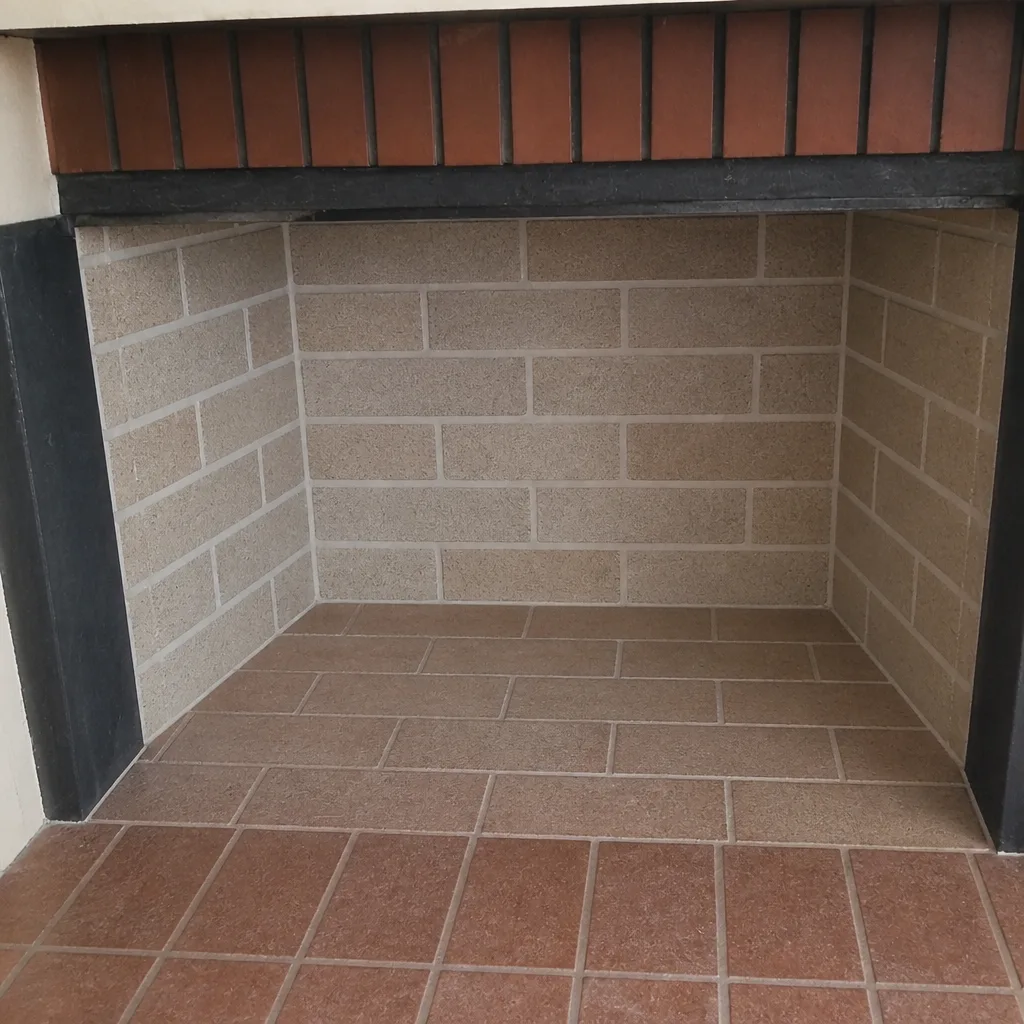
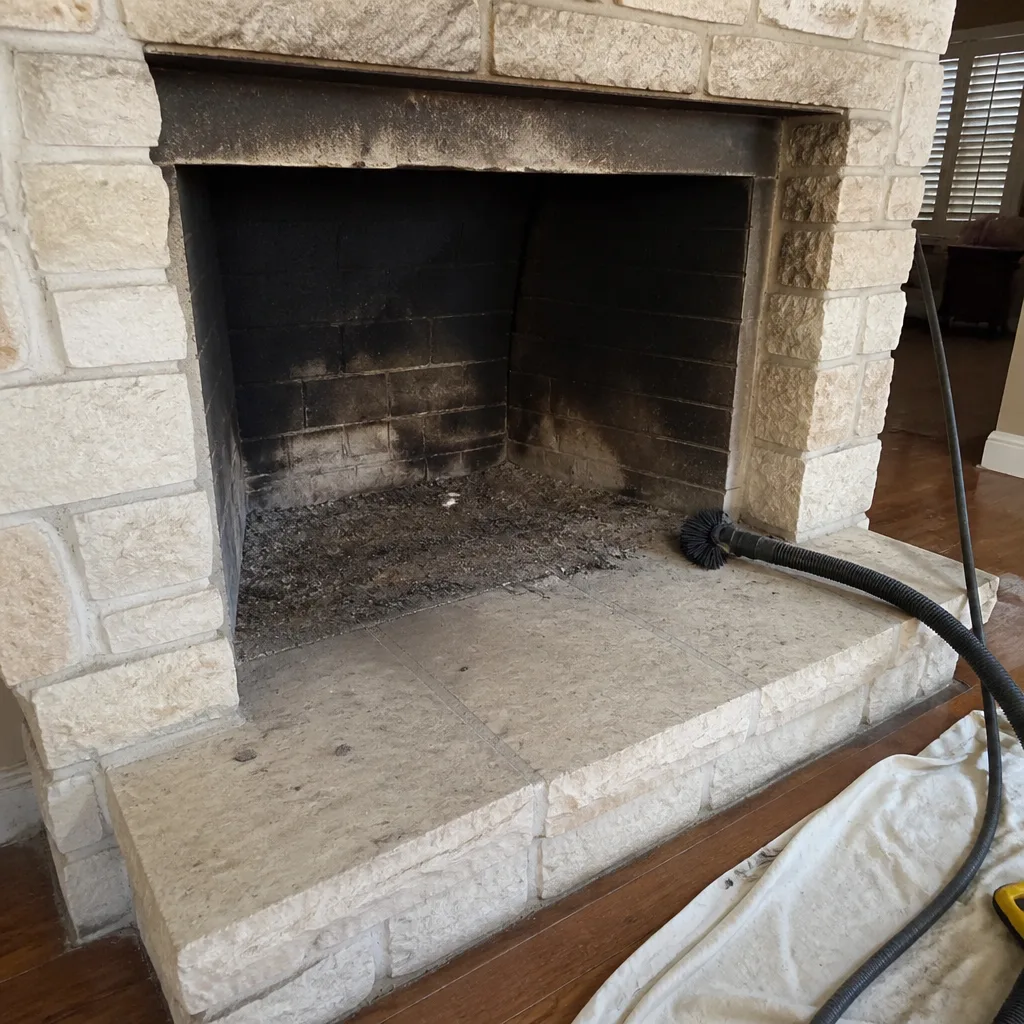
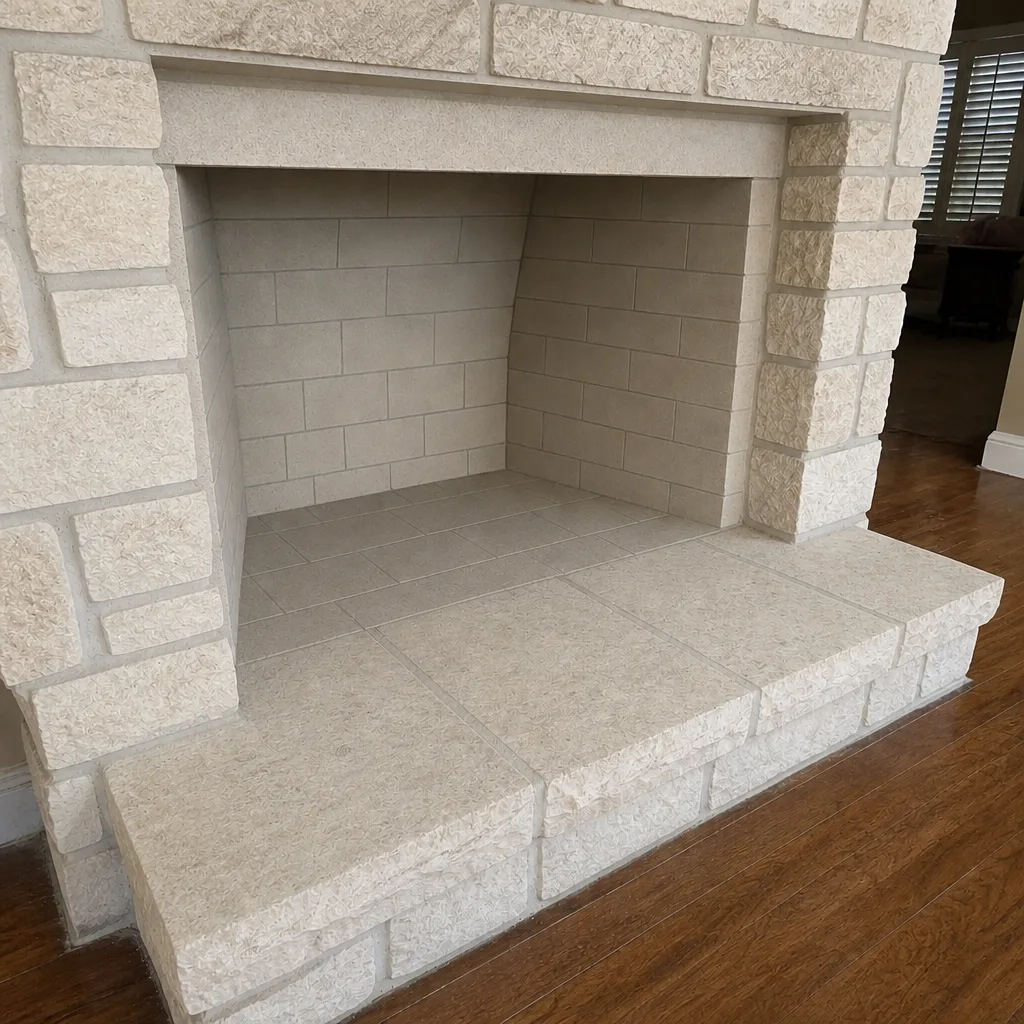
See the difference
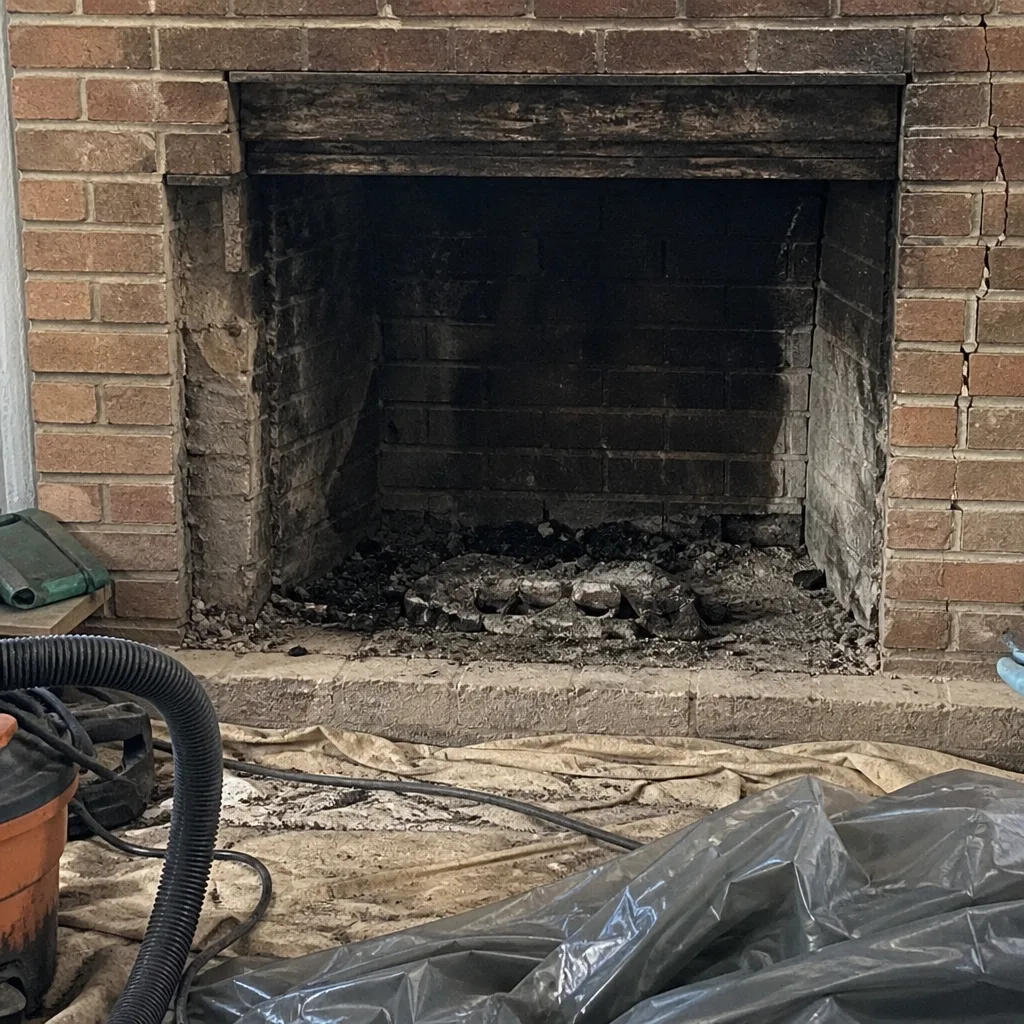 Before
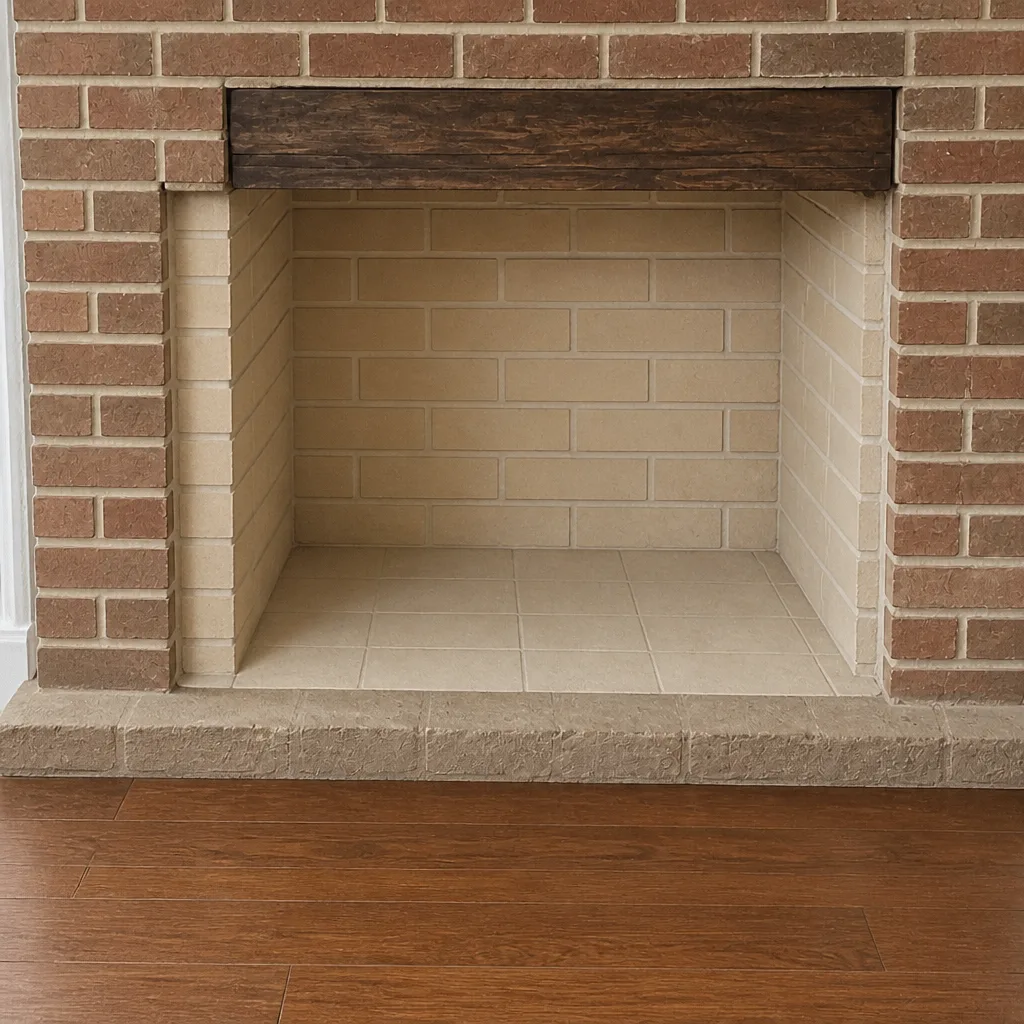 After
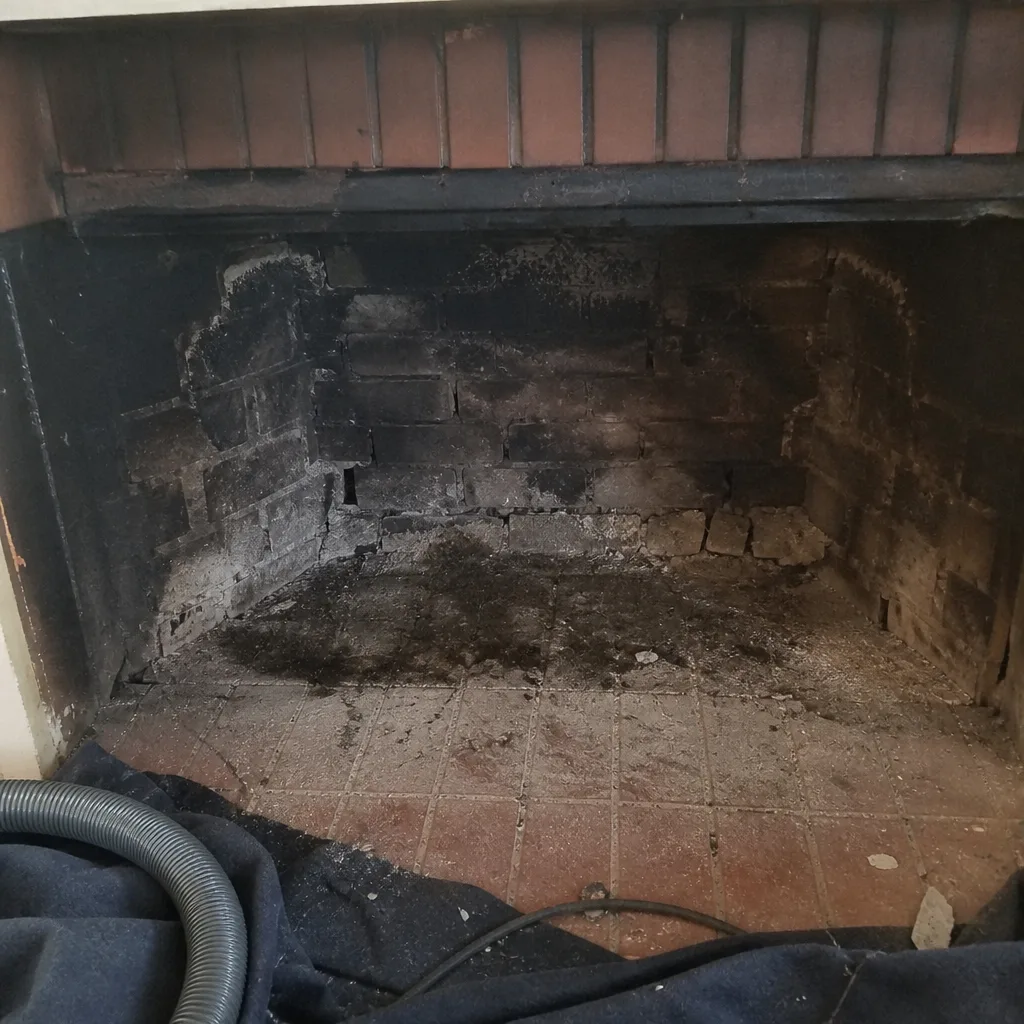 Before
 After
 Before
 After
When to Call a Professional
Some situations don’t need a decision framework; they need a professional. Call when any of the following applies:
- You’ve never had the chimney inspected, or you can’t remember the last time it was.
- You’ve seen glazed, hardened, or tar-like deposits on the flue walls.
- You’ve had a chimney fire, even a small one, and haven’t had the system evaluated since.
- You notice smoke coming into the room, a weak draft, or a damper that doesn’t seal.
- You’re buying or selling a home in Gilbert and need an inspection report for the transaction.
- You have a gas fireplace and haven’t had the venting verified.
- The roof is steep, high, or otherwise unsafe for you to access.
Chimney Sweep Gilbert offers free estimates in Gilbert. Call (866) 942-9144. We answer 24/7. Fast dispatch from 7am to 7pm, Sunday through Friday.
Frequently Asked Questions
You can clean a single-flue, wood-burning chimney yourself if the creosote is Stage 1 and the system has a recent professional inspection confirming the liner, crown, and smoke chamber are sound. What you can’t do is assess the components you can’t see, so a DIY cleaning is only a supplement to a professional inspection, never a replacement.
Most wood-burning chimneys should be swept and inspected annually during regular use, or sooner if creosote buildup reaches about an eighth of an inch. A gas fireplace needs its venting checked annually as well, though the cleaning interval is usually longer. When in doubt, an inspection tells you what your specific system needs; call (866) 942-9144 for a free estimate.
Creosote accumulates on the flue walls, and at Stage 2 and Stage 3 it becomes the fuel source for a chimney fire. A blocked or restricted flue can also push carbon monoxide back into the living space, which is a life-safety risk, not a maintenance inconvenience. The right move is an annual inspection with cleaning as needed, not waiting until there’s a problem.
Yes, because the DIY cleaning addresses only the flue surface you can reach with a brush, while the inspection addresses the liner, smoke chamber, crown, and venting you can’t evaluate. The inspection is also the documentation you’d need for an insurance claim or a real-estate transaction, and a DIY history doesn’t produce it.
The cost depends on your system type, the creosote level, and whether inspection is included, and the written estimate is what sets the final price. We provide free estimates, so there’s no guesswork; call (866) 942-9144 and we’ll schedule an assessment for your Gilbert home before you commit.
It can, because a professional inspection and sweep creates a documented maintenance record, while a DIY-only history does not. If a chimney fire occurs and there’s no record of professional inspection, an insurer has less to work with when evaluating the claim. A recent inspection report is the simplest protection against that gap.
The Bottom Line
The DIY question is genuinely about two things: what you can reach and what you can assess. A brush reaches the flue surface; it can’t assess the liner, the smoke chamber, the crown, or the gas venting, and those are where the expensive problems hide in Gilbert’s mild-winter burning pattern. If you have a recent professional inspection, a sound single-flue wood system, Stage 1 creosote, and safe roof access, DIY can be a reasonable supplement. For most homeowners, the professional sweep plus inspection is the lower-cost path over time, because it catches the small repair before it becomes a large one. Either way, get the inspection done first. That’s the part that makes the decision safe.
To schedule a sweep, a repair, or a pre-sale inspection in Gilbert, call Chimney Sweep Gilbert at (866) 942-9144 for a free estimate. We answer 24/7. Fast dispatch from 7am to 7pm, Sunday through Friday.
Written by the team at Chimney Sweep Gilbert.