
Last updated November 16, 2026
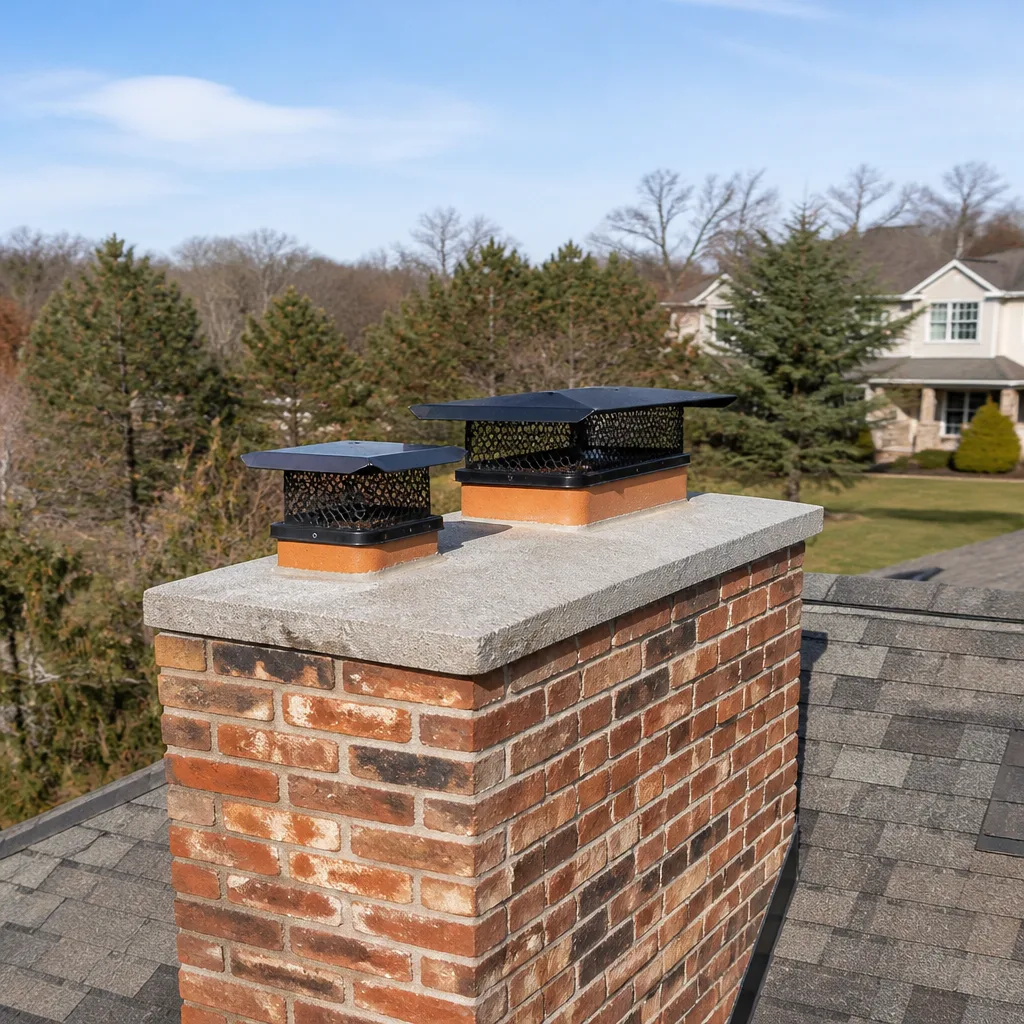 Sweep & inspection
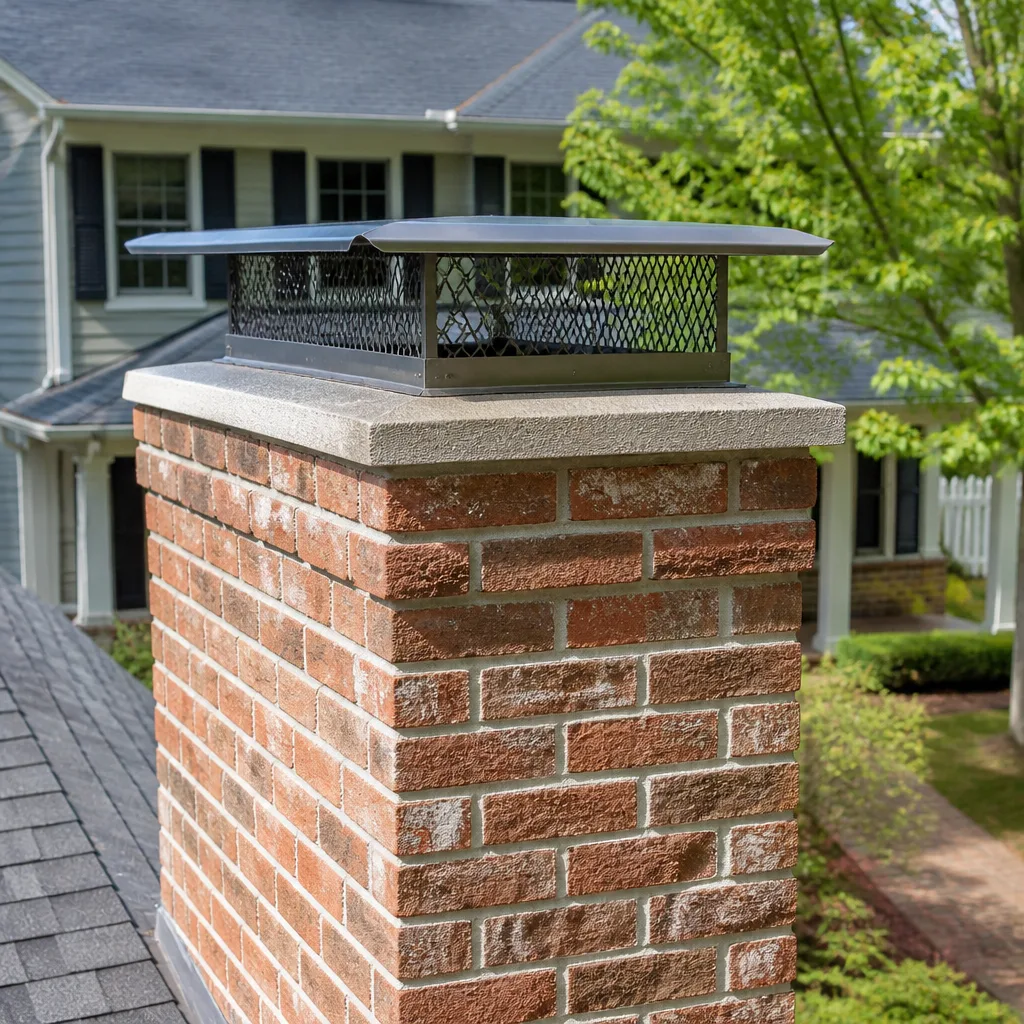 Caps & crowns
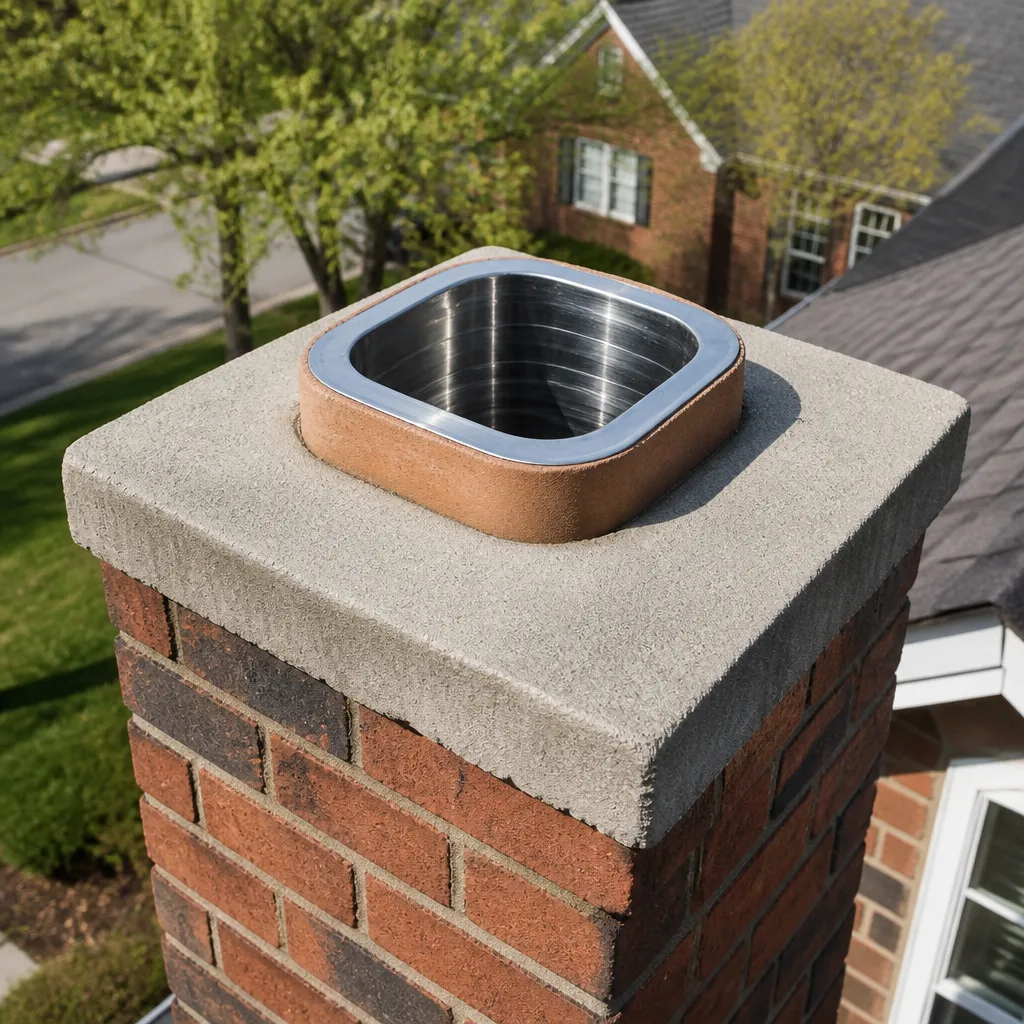 Flue relining
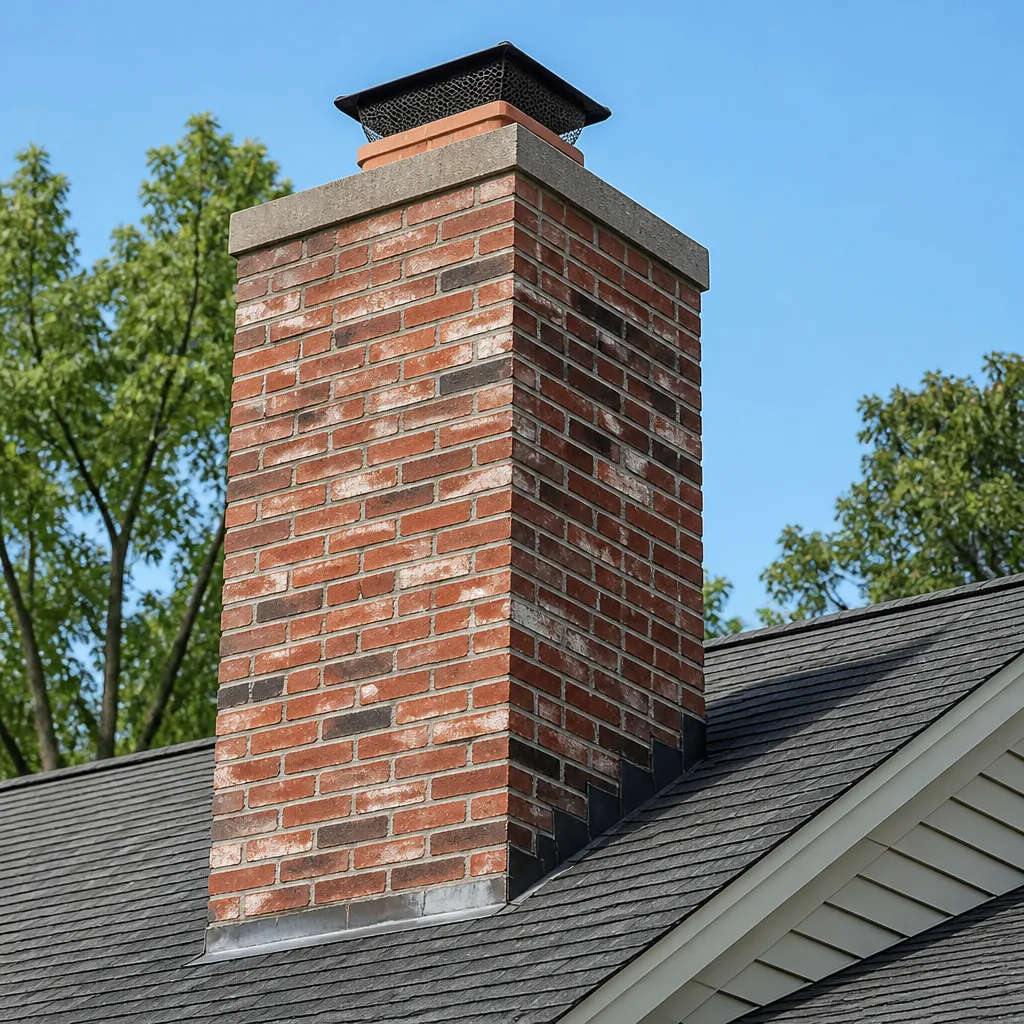 Masonry repair
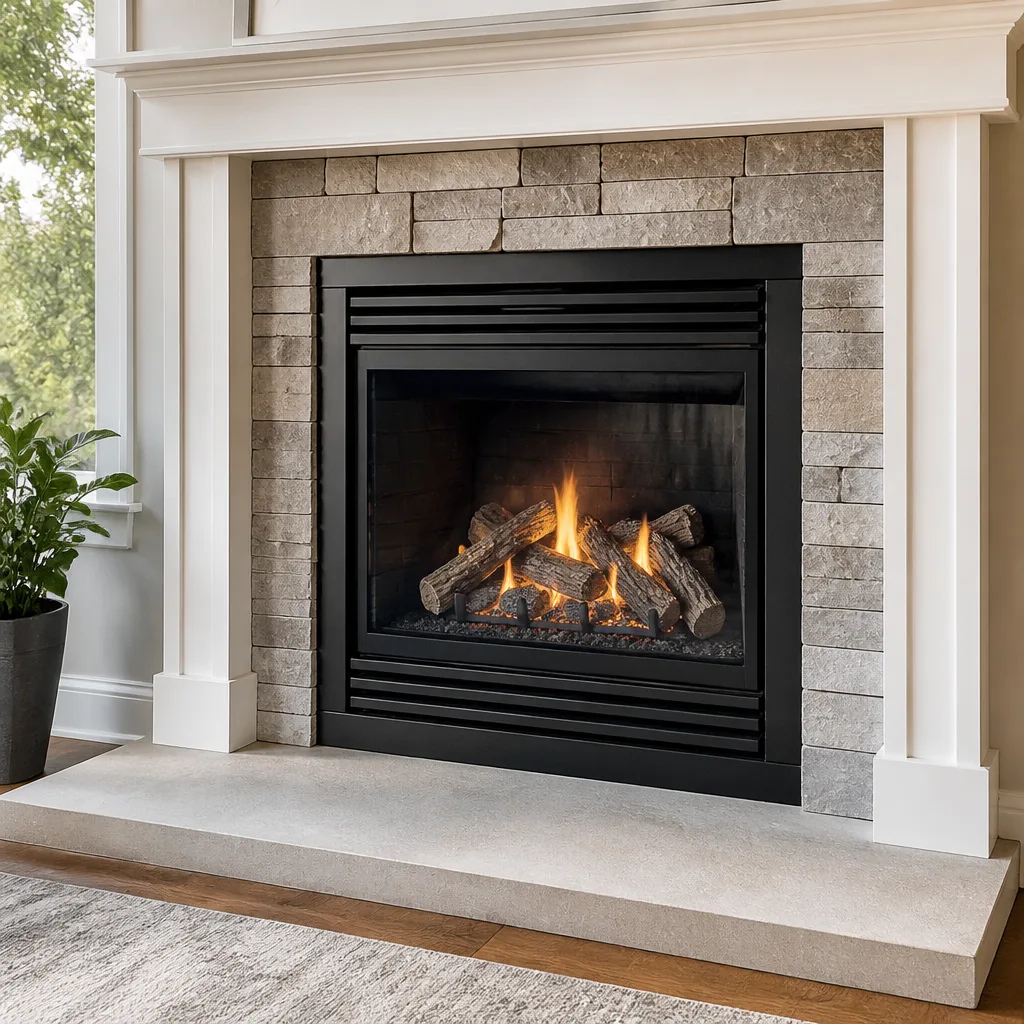 Gas fireplace service
Level 1 sweep and inspection to the NFPA 211 annual standard - flue, crown, cap, and flashing checked and photographed
Chimney sweep logs do not sweep chimneys. They loosen some creosote - which then falls where a brush and vacuum still have to collect it.
The Complete Guide to Chimney Cleaning in Gilbert
Most Gilbert homeowners light their fireplace fewer than fifteen times a year, and that low-use pattern is often more dangerous for creosote staging than a fireplace that burns hot and often. It sounds backward, but a flue that never reaches high heat leaves behind the sticky, glazed deposits that are hardest to brush away and most likely to ignite. Add desert dust, monsoon humidity, and a gas insert everyone assumes is self-cleaning, and you have a chimney care picture that no national guide written for snowy states gets right. This guide covers how a Gilbert chimney actually ages, what each service tier includes, and how to tell when work can wait.
Quick Answer
Chimney cleaning in Gilbert means removing creosote, soot, and desert dust from a flue that sees light, occasional use, then inspecting that flue for the damage our dry, hot climate and monsoon season quietly cause. Most homes here need a sweep plus a Level 1 inspection once a year, and a Level 2 camera inspection when the home is being sold, after a chimney fire, or when a liner problem is suspected. Cleaning is a safety measure, not a cosmetic one, and nothing gets recommended without camera evidence you can see yourself.
Styles & brands we work with
- Sweep & inspection
- Caps & crowns
- Flue relining
- Masonry repair
- Gas fireplace service
Table of Contents
- Why Chimney Cleaning in Gilbert Is Different
- How Low-Use Burning Stages Creosote Faster
- What Monsoon Humidity Does Between Cleanings
- The Three Service Tiers: Cleaning, Level 1, Level 2
- What a Full-Cycle Specialist Does in One Visit
- Gas Fireplace Flues in Gilbert Homes
- How Much Chimney Cleaning Costs in Gilbert
- How Often You Actually Need It Here
Why Chimney Cleaning in Gilbert Is Different
Chimney guides written for cold climates assume a fire that burns hot for months on end. Gilbert doesn’t work that way. A typical winter here means a handful of fires during the few chilly weeks, mostly on cool evenings, and then a fireplace that sits untouched from spring through fall. That rhythm shapes everything about how a flue ages.
Three local factors do most of the damage:
- Light, cool burns. A fire that never gets hot enough to burn cleanly deposits more creosote than a roaring one. Cool flue temperatures let the byproducts condense on the walls before they can vent.
- Dust and grit. Desert air carries fine dust that settles into fireboxes, smoke shelves, and flue liners during the long off-season. It mixes with old soot and hardens into a crust that a quick brush pass won’t lift.
- Monsoon moisture. Our summer storms push humid air against the chimney for weeks. Any cap crack, crown fissure, or mortar joint that’s already failing lets that moisture in, and it does quiet damage to the liner and masonry between cleanings.
That combination means the annual sweep in Gilbert is less about volume of soot and more about what’s happening chemically inside a flue that mostly sits idle. A chimney sweep in Gilbert has to look for glazed creosote and moisture damage, not just measure how full the flue is. If you want the full breakdown of how we approach it, see our page on Chimney Sweep Gilbert.
How Low-Use Burning Stages Creosote Faster
Creosote forms in three recognizable stages, and in our experience the Gilbert pattern skips straight toward the bad ones far more often than people expect. Stage 1 is flaky and easy to brush. Stage 2 is sticky and crusted and takes real mechanical effort. Stage 3 is glazed, shiny, and nearly impossible to remove without resurfacing or relining.
Here’s the counterintuitive part. A fire that burns hot and frequent keeps the flue warm, and warm flue walls let byproducts vent instead of condense. A cool, occasional fire does the opposite: the smoke lingers, cools against the liner, and leaves behind the tacky Stage 2 deposits that capture and hold every particle after it. So a homeowner who burns three times a month and doesn’t clean the flue can end up in worse shape than someone who burns every night.
The local habit that accelerates this most is the “quick evening fire” – a few small logs, a damper partly closed to slow the burn, and a fire extinguished before it ever reaches full heat. That is close to a recipe for concentrated Stage 2 creosote. If your fireplace fits that description, a once-a-year sweep is the floor, not the ceiling.
Stage 3 creosote usually means a liner problem, and that is where resurfacing comes in. HeatShield products let us rehabilitate a deteriorating flue liner by resurfacing it from the inside rather than tearing out masonry, a capability most sweep-only services don’t offer. Where a flue is cracked outright, a DuraFlex flexible liner system gives us a correctly specified reline. Both are trade-grade materials, not hardware-store substitutes.
What Monsoon Humidity Does Between Cleanings
Monsoon season is when a Gilbert chimney quietly loses ground. The storms themselves are brief, but the humid air that surrounds them hangs around for weeks, and that humidity finds every weakness. A chimney is a tall, porous structure exposed to sun on one side and moisture on the other, and the cycle of heat and humidity works on mortar joints and crowns year after year.
A few things to watch between cleanings:
- Crown cracks. The concrete crown at the top of the chimney is the first line of defense. Hairline cracks let water track down into the flue and the masonry behind it.
- Damper and cap condition. A rusted damper or a cap that’s missing or bent lets rain and dust in during storms. A correctly fitted cap from a brand like Copperfield keeps water out without choking airflow.
- Mortar joint erosion. The mortar between bricks erodes quietly, and humid air speeds it up. When joints recede, water gets behind the brick and the liner is next.
What this means practically: in Gilbert, the inspection that happens alongside a cleaning is doing more work than the brush. Our technicians have up to 14 years of experience, and most of the real findings in our desert climate show up on the inspection side, not the cleaning side. When we spot damage, we document it with a camera inspection and a photo report so you can see exactly what we’re seeing and decide for yourself.
The Three Service Tiers: Cleaning, Level 1, Level 2
Chimney care in Gilbert isn’t one flat service, and the most useful thing a guide can do is name the tiers clearly. Here’s how we break them down and when each fits a Gilbert home.
1. Cleaning Only
We sweep the flue and firebox and remove creosote, soot, and dust. This is appropriate when a chimney is being cleaned on a routine schedule, has no known issues, and the appliance is burning as expected. It’s the lightest touch, and for a well-maintained flue it’s often all that’s needed for the year.
2. Cleaning + Level 1 Inspection
After the sweep, we do a visual inspection of the readily accessible portions of the chimney – inside and out, where that’s possible without special access. This is the sensible annual default for most Gilbert homes, because it catches the small stuff (crown cracks, cap condition, early creosote) before it becomes structural. Most homes that burn occasionally should land here.
3. Cleaning + Level 2 Inspection
A Level 2 inspection adds a camera inspection of the full flue interior and a photographic record. You need this in three situations: a real-estate transaction where a certified report is required, after a chimney fire or a suspected one, and any time a liner defect or hidden damage is suspected. It’s also the right call before any relining or resurfacing work, because we don’t want to quote a repair we haven’t seen the inside of.
Choosing the right tier is what keeps the visit honest. It’s also why we diagnose before we quote: the appropriate level of inspection is decided by what the chimney needs, not by what’s easiest to sell. For a deeper look at how repairs follow from inspection, see chimney repair. If you’d rather have the report in hand than take our word for it, a Level 2 with photos is how.
What a Full-Cycle Specialist Does in One Visit
The difference between a full-cycle chimney company and a generalist handyman shows up in the details. A handyman with a brush handles the cleaning and leaves. A chimney specialist handles the cleaning, then inspects the chimney as a whole system and documents what it finds in the same visit.
Here’s the general arc of a single full-cycle visit:
- Protect the living space – drop cloths, a sealed work area, and careful containment so no soot ends up in the room.
- Sweep the flue with the right brush for the flue size and liner material, then clean the firebox, smoke shelf, and damper area.
- Vacuum the system with a HEPA vacuum so fine dust and soot leave the house, not just the flue.
- Inspect the accessible interior and exterior – cap, crown, flashing, mortar joints, damper operation, and the top of the flue.
- Run a camera inspection if the tier calls for it, and produce a photo report you keep.
- Review findings with you in plain terms, including what can safely wait and what shouldn’t.
What a generalist typically skips: the camera inspection, the documentation, the moisture and mortar assessment that a desert climate demands, and the ability to specify a correct liner or cap from a known brand. We work with a fixed roster of professional chimney-industry brands – DuraFlex for flexible liner systems, HeatShield for resurfacing, and Gelco, Olympia Chimney, Famco, and Copperfield for caps, dampers, and accessories. That means caps and dampers meet manufacturer-spec fit rather than getting improvised. Sweep, repair, inspect – one company, one call, with a single point of contact from inspection through completed repair.
Gas Fireplace Flues in Gilbert Homes
A gas fireplace flue still needs cleaning and inspection, and the common assumption that gas burns clean enough to skip it is wrong. Gas burns more cleanly than wood, but it still produces moisture and fine debris, and dust drawn into the flue settles on the liner and the appliance. Vent-free and vented units both benefit from an annual look.
For a gas appliance, the cleaning pass is lighter, but the inspection matters more. Gas units develop condensation that encourages corrosion on the flue and the vent components, and a flue that exhausts a gas appliance needs to be verified open, correctly sized, and undamaged. A cracked liner or a blocked vent is a real carbon monoxide risk, and carbon monoxide gives no warning. That’s the reason we treat the flue as a life-safety system rather than a maintenance checkbox – a trained professional should always evaluate a gas flue rather than a homeowner inspecting it from below.
If you have a gas fireplace in a Gilbert home, put it on the same annual schedule as a wood-burning one. The work is a bit different but the logic is identical. You can read more about our service tiers for gas in our overview of our chimney sweep services.
How Much Chimney Cleaning Costs in Gilbert
Chimney cleaning in Gilbert typically runs a small fraction of what a repair costs, and the spread between tiers is modest compared with the cost of a missed liner problem. The figures below are typical estimated ranges for our market; your written estimate sets the final price, and the estimate itself is free.
| Service | Typical estimated range |
|---|---|
| Standard sweep (wood or gas) | $150 – $300 |
| Cleaning + Level 1 inspection | $200 – $400 |
| Cleaning + Level 2 camera inspection with photo report | $300 – $550 |
| Cap or damper replacement (part + labor) | $250 – $550 |
| Flue resurfacing with HeatShield | $1,200 – $3,000 |
| Full reline with a DuraFlex liner system | $2,500 – $6,000 |
A few things push a cleaning toward the higher end: a badly glazed flue that needs extra mechanical work, a gas unit that needs vent verification, or a real-estate transaction where a certified Level 2 report is required. The sweep is a flat price agreed before booking, and nothing gets recommended without camera evidence you can review. When work can safely wait, we’ll tell you so. The reader’s real worry is being told a liner needs replacing with no way to check – our answer to that is simple: you see the camera footage and the photos before you agree to anything. Call (866) 942-9144 for an exact quote. Estimates are free.
How Often You Actually Need It Here
Most Gilbert homeowners do best on an annual schedule, and the low-use pattern is exactly why. A fireplace that burns occasionally builds the sticky deposits faster, and the long desert off-season gives dust and monsoon moisture time to work. Annual cleaning and inspection is the practical default, and it lines up well with the transition into burning season.
Here’s a simple decision rule for scheduling:
- Burning at all in the last year? Book a cleaning plus a Level 1 inspection. That covers most homes.
- Selling or buying a home with a chimney? Book a cleaning plus a Level 2 camera inspection so the report travelswith the transaction.
- Had a chimney fire, or suspect one? Level 2 right away, regardless of when you last cleaned. A suspected fire is never a wait-and-see.
- Noticed water stains, a rusted damper, or crumbling mortar? Book sooner rather than later – moisture damage compounds between cleanings.
If your only question is “when,” aim to be cleaned and inspected before you start burning again. In Gilbert that usually means fall. For a sense of the neighborhoods we work in across the East Valley, see our Gilbert page.
Common Mistakes to Avoid
- Assuming a gas fireplace needs no cleaning. A gas flue still accumulates dust and moisture, and a compromised vent is a carbon monoxide risk. Schedule it annually like a wood-burning chimney.
- Burning cool, damped-down fires on a low schedule. A fire that never reaches high heat deposits Stage 2 creosote instead of flaky soot. If you burn in short, cool stretches, don’t skip the annual sweep.
- Ignoring the crown and cap. In a desert climate, cracks in the crown and a damaged cap are the entry point for monsoon moisture that slowly wrecks the mortar and liner. A correctly fitted cap keeps water out for years.
- Skipping the inspection to save a little on the sweep. In our climate the findings usually come from the inspection, not the brush. Cleaning without a look inside is only half the job.
- Taking a repair quote with no camera evidence. A liner isn’t something you can verify from the living room. Any honest recommendation should come with footage and photos you can see.
- Cleaning a glazed flue once and declaring it done. Stage 3 creosote often points to a liner problem. Resurfacing or relining is sometimes the right call rather than another brush pass.
- Waiting until the first cold night. Booking ahead of burning season means the sweep and inspection are done before the fireplace is in use, not after.
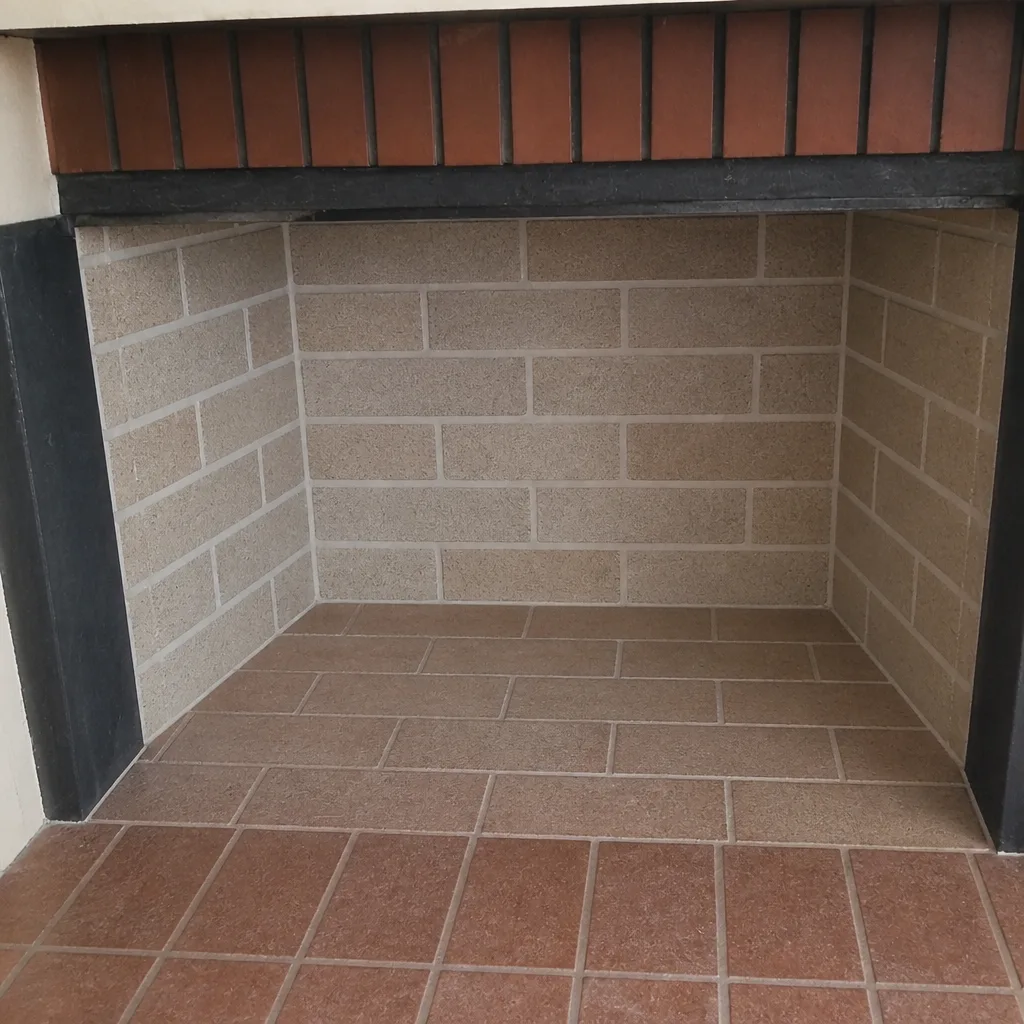
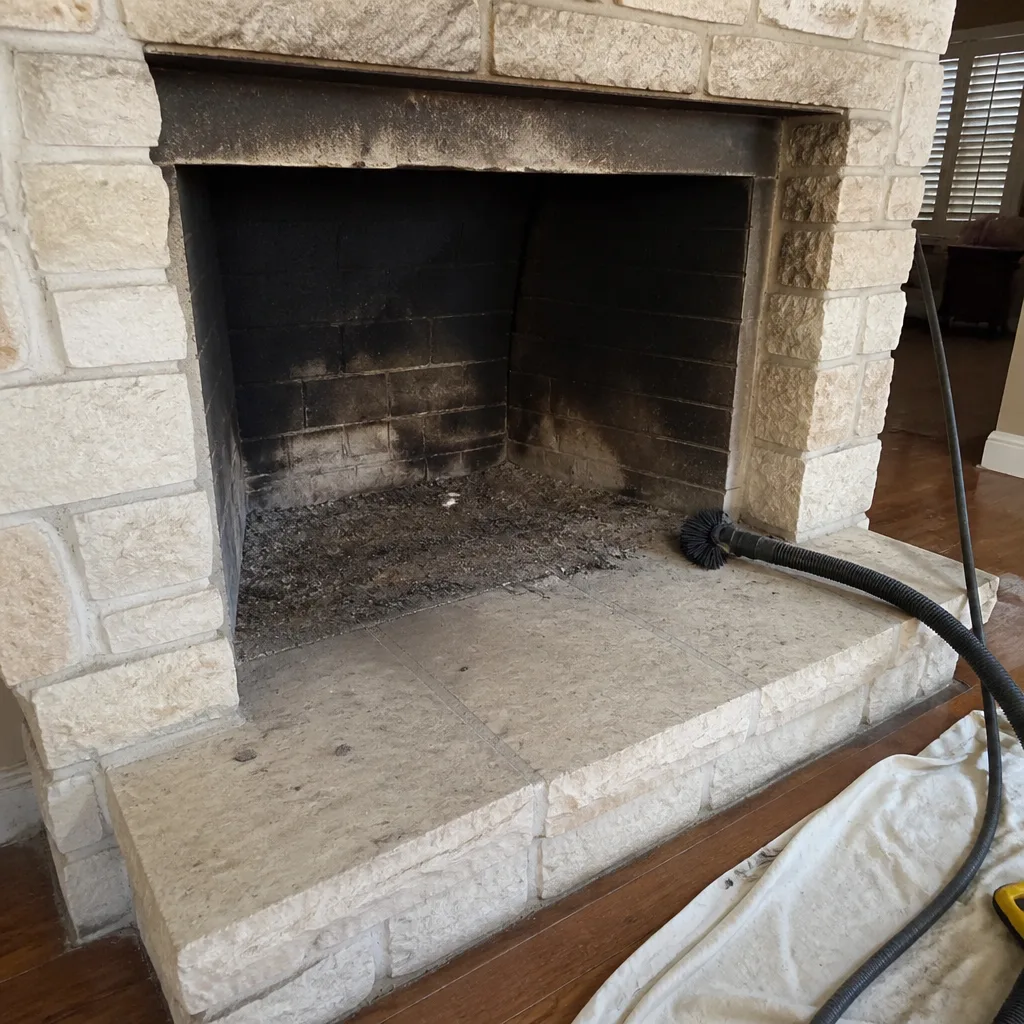
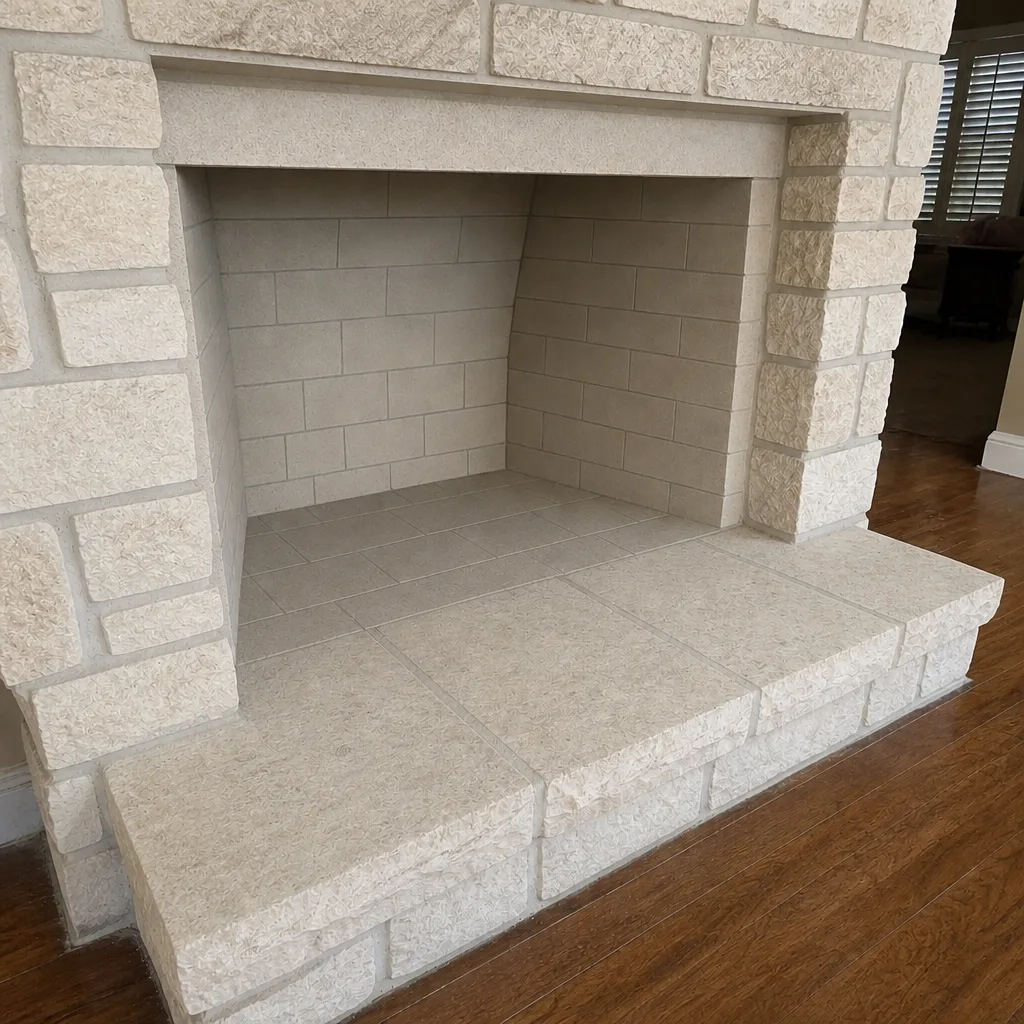
See the difference
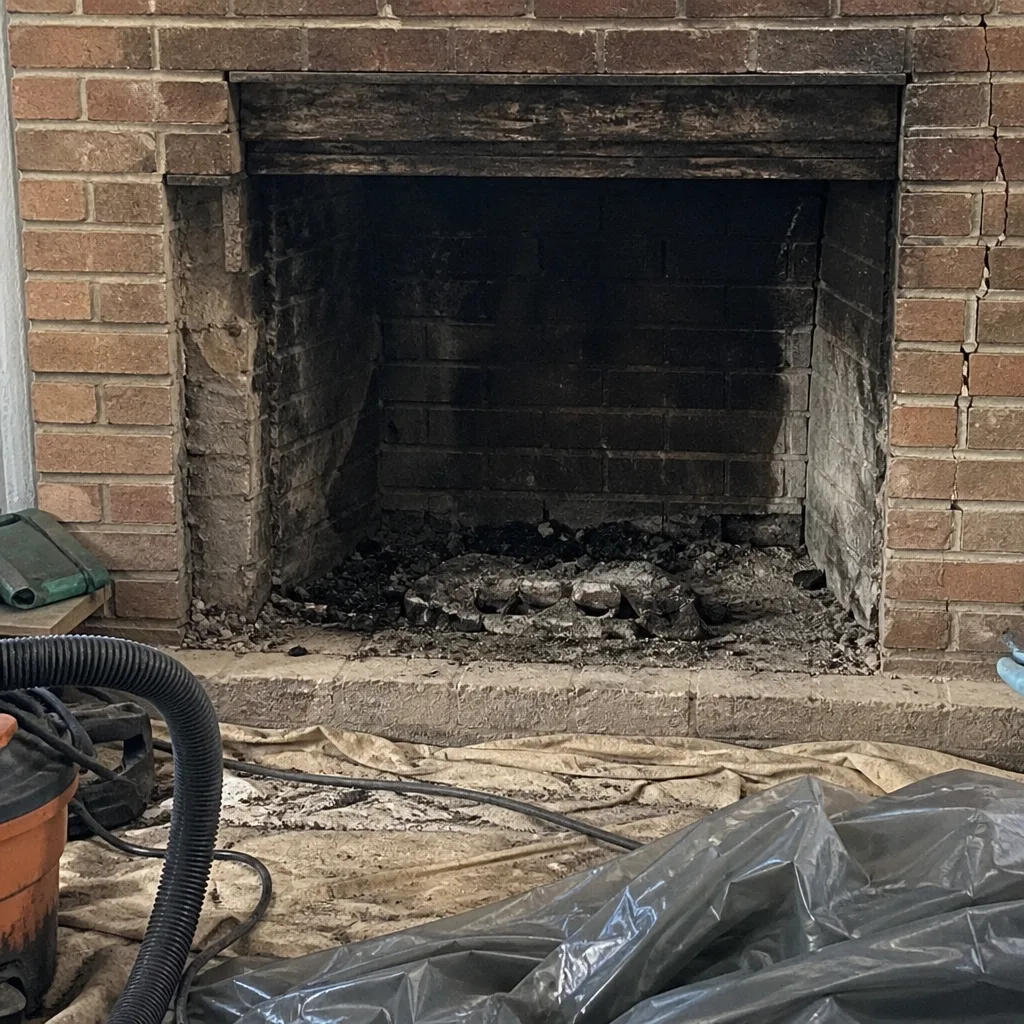 Before
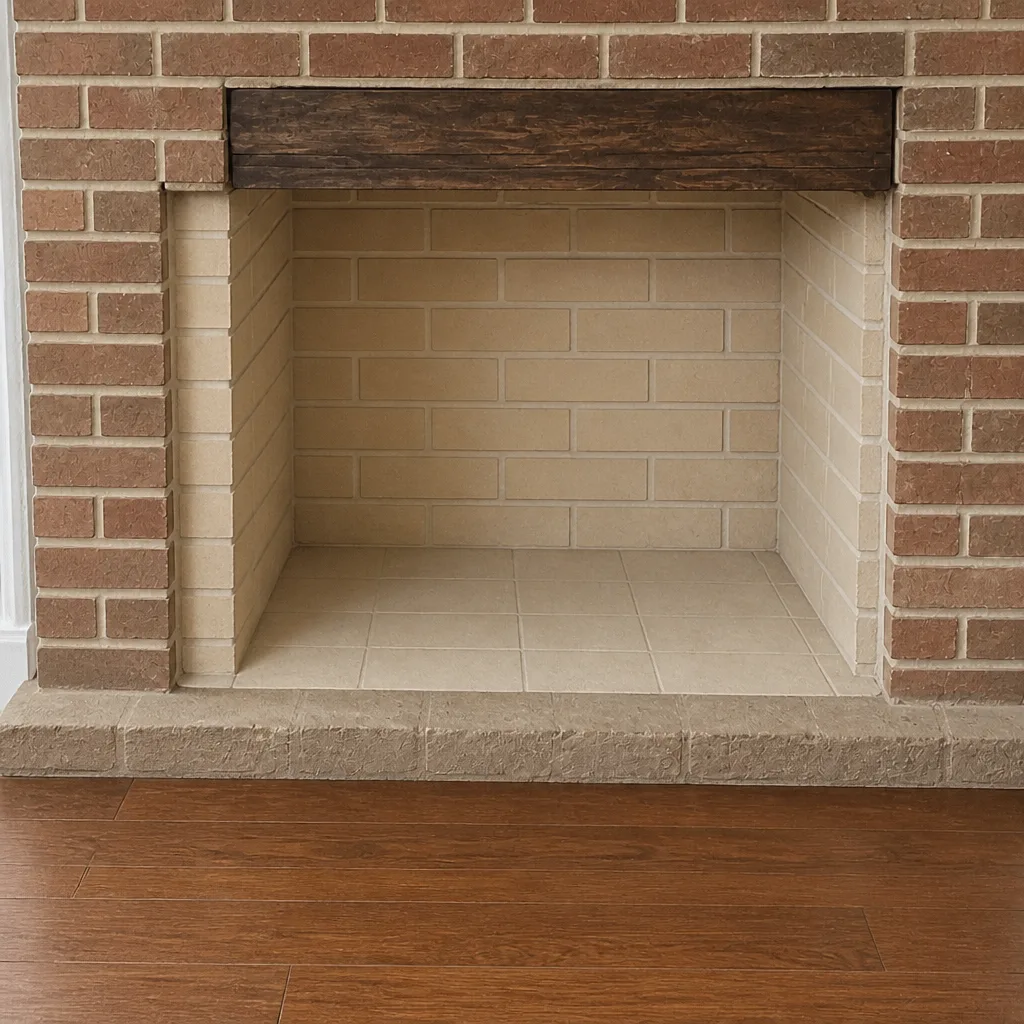 After
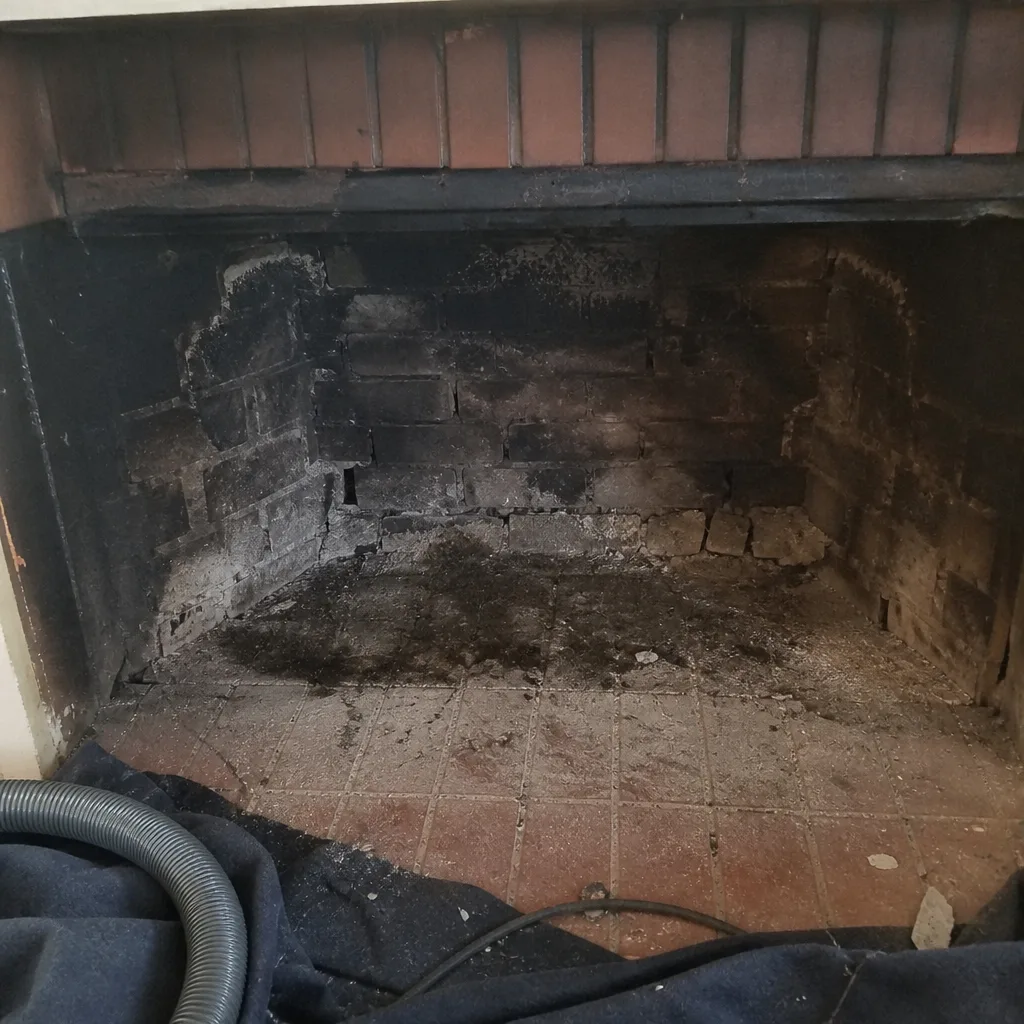 Before
 After
 Before
 After
When to Call a Professional
Call a professional if you’ve burned in the last year and haven’t had the flue cleaned, if you’re buying or selling a home with a chimney and need a certified report, or if you’ve noticed any of the moisture signals – water stains in the firebox, a rusted damper, a cracked crown, or receding mortar joints. Call promptly after a suspected chimney fire. And if you have a gas fireplace, put it on the annual schedule even though it looks clean. A trained professional should evaluate anything involving a gas flue or a compromised liner rather than a homeowner investigating from below. Chimney Sweep Gilbert offers free estimates in Gilbert – call (866) 942-9144. We answer 24/7. Fast dispatch from 7am to 7pm, Sunday through Friday.
Frequently Asked Questions
A standard chimney sweep in Gilbert typically costs an estimated $150 to $300, with cleaning plus a Level 1 inspection around $200 to $400 and a Level 2 camera inspection around $300 to $550. The written estimate sets the final price, and the sweep is a flat price agreed before booking. Call (866) 942-9144 for an exact quote. Estimates are free.
Only if the camera inspection shows the liner is actually compromised – cracked, spalling, or too deteriorated to vent safely. In our experience, low-use burning and monsoon moisture are the two things that shorten a liner’s life in Gilbert, and glazed creosote sometimes points to a liner problem. But nothing gets recommended without camera evidence you can see. Sometimes HeatShield resurfacing rehabilitates the liner rather than replacing it, and sometimes the work can safely wait. Call (866) 942-9144 for an exact quote. Estimates are free.
Once a year is the practical default for most Gilbert homes, especially ones that burn occasionally. Low-use burning stages creosote faster than frequent high-heat burns, and the long off-season lets desert dust and monsoon moisture settle in. Schedule ahead of burning season. Call (866) 942-9144 for an exact quote. Estimates are free.
Yes. A gas fireplace flue still accumulates dust and moisture, and the vent needs verifying for carbon monoxide safety. Treat it on the same annual schedule as a wood-burning chimney. Call (866) 942-9144 for an exact quote. Estimates are free.
Creosote and dust build up, and Stage 2 or Stage 3 deposits raise the risk of a chimney fire that can spread beyond the flue. Skipping also lets moisture damage – a cracked crown, a rusted damper, mortar erosion – progress quietly between sessions, which gets more expensive to fix. The fix is a yearly sweep and inspection, not a rebuild. Call (866) 942-9144 for an exact quote. Estimates are free.
A Level 1 is a visual inspection of the readily accessible parts of the chimney; a Level 2 adds a full camera inspection of the flue with a photo report. Most homes need a Level 1 yearly, and a Level 2 for a real-estate transaction, after a chimney fire, or when a liner problem is suspected. Call (866) 942-9144 for an exact quote. Estimates are free.
The Bottom Line
Chimney care in Gilbert is a different job than the national guides describe. Light, cool burns stage creosote faster, desert dust settles in idle flues, and monsoon humidity quietly attacks mortar and liners between cleanings. The answer is a yearly sweep with a real inspection, a Level 2 camera report when a transaction or a suspected problem calls for it, and a specialist who diagnoses before quoting and can specify the right materials when repair is warranted. If you want your fireplace safe before the next cold snap, book the cleaning and inspection ahead of time, keep the photo report, and let camera evidence – not sales pressure – drive any repair decision.
Call (866) 942-9144 for a free estimate. We answer 24/7. Fast dispatch from 7am to 7pm, Sunday through Friday.
Written by the team at Chimney Sweep Gilbert.