
Last updated November 16, 2026
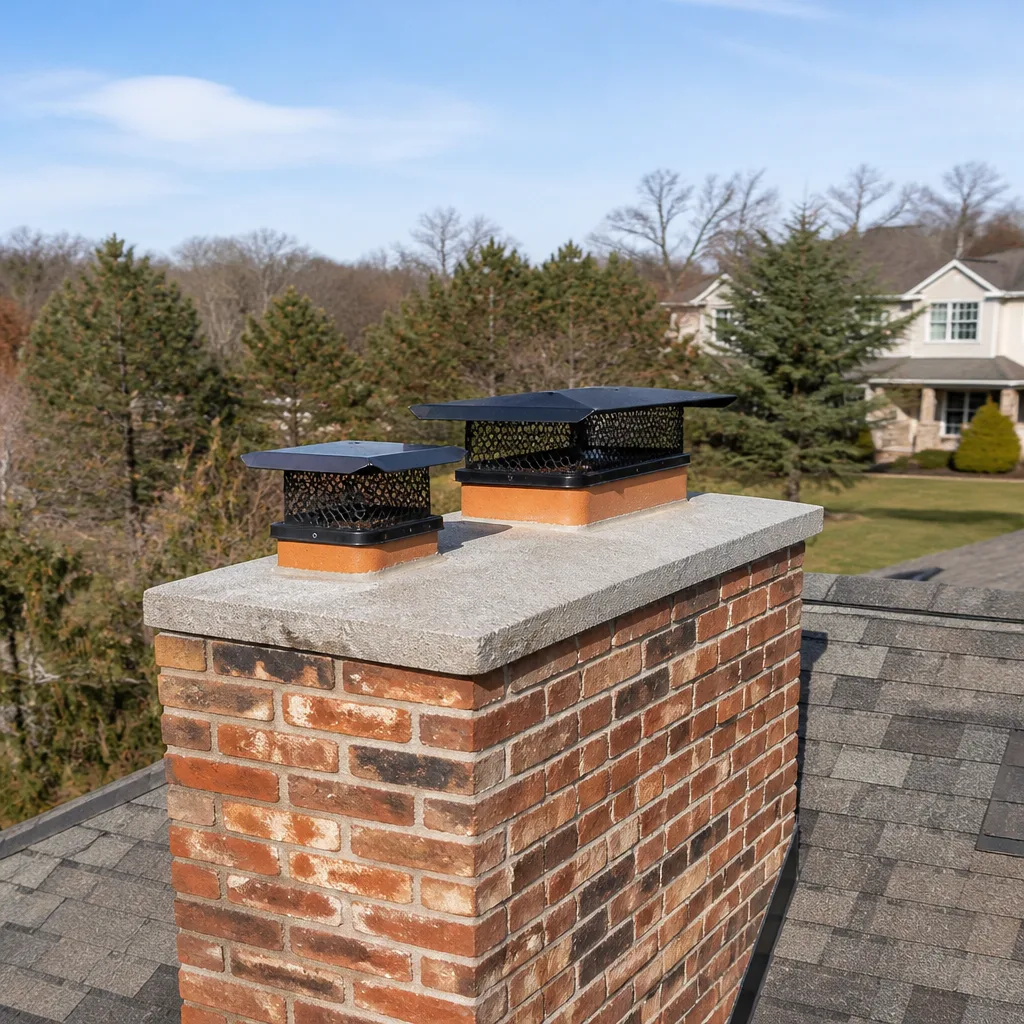 Sweep & inspection
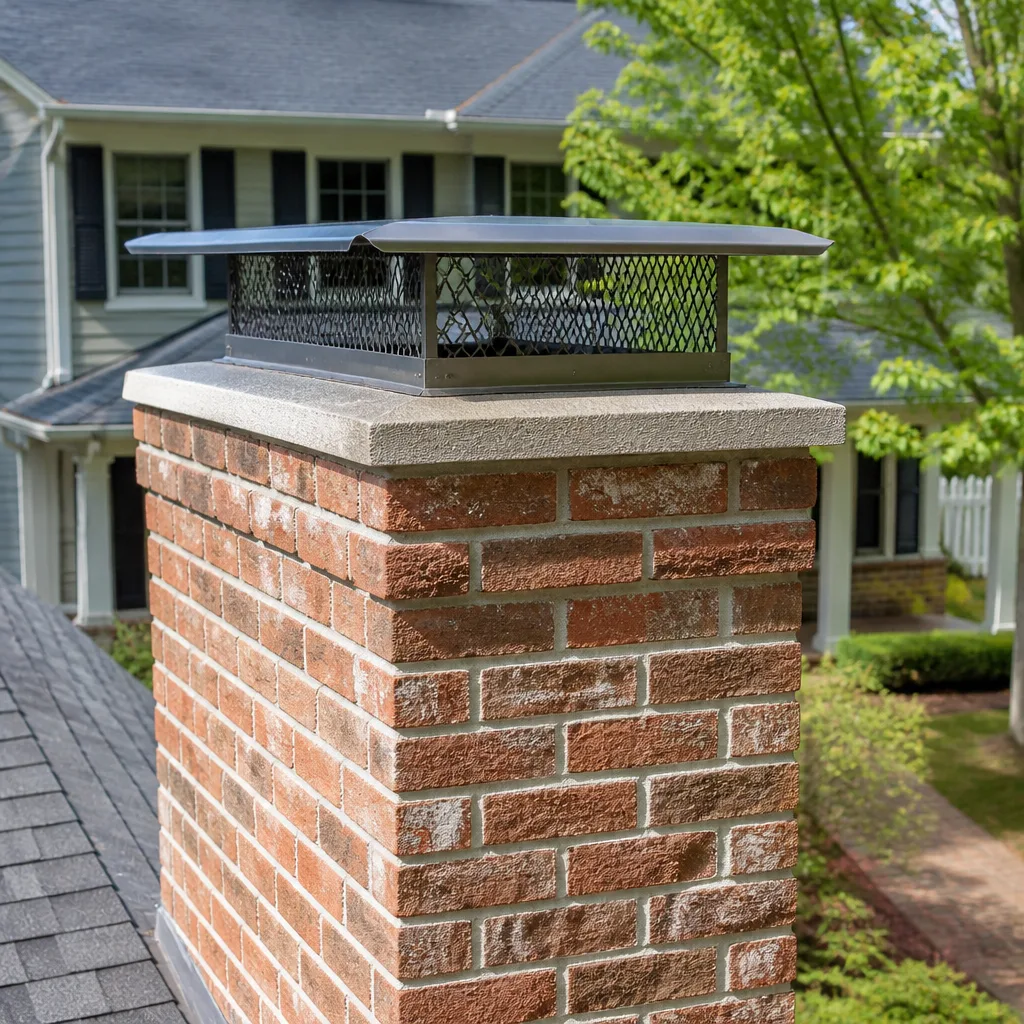 Caps & crowns
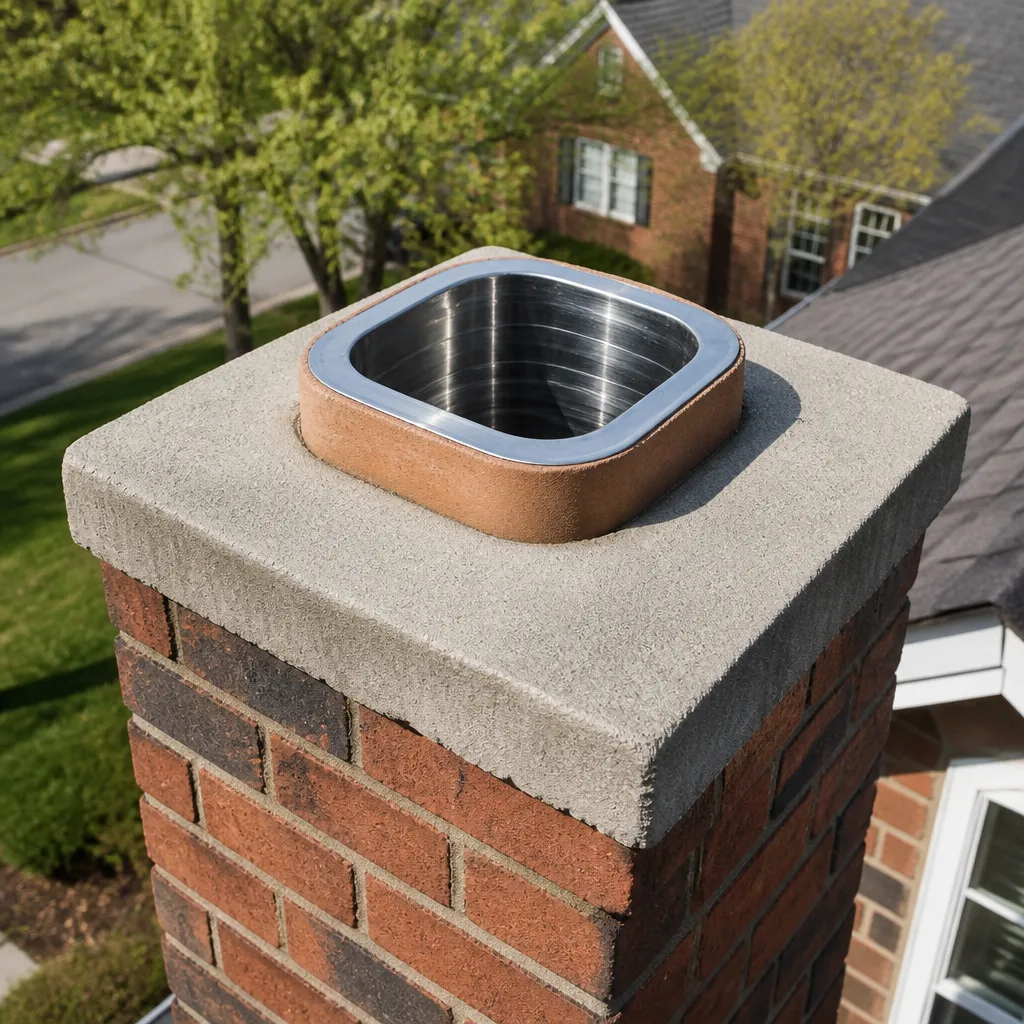 Flue relining
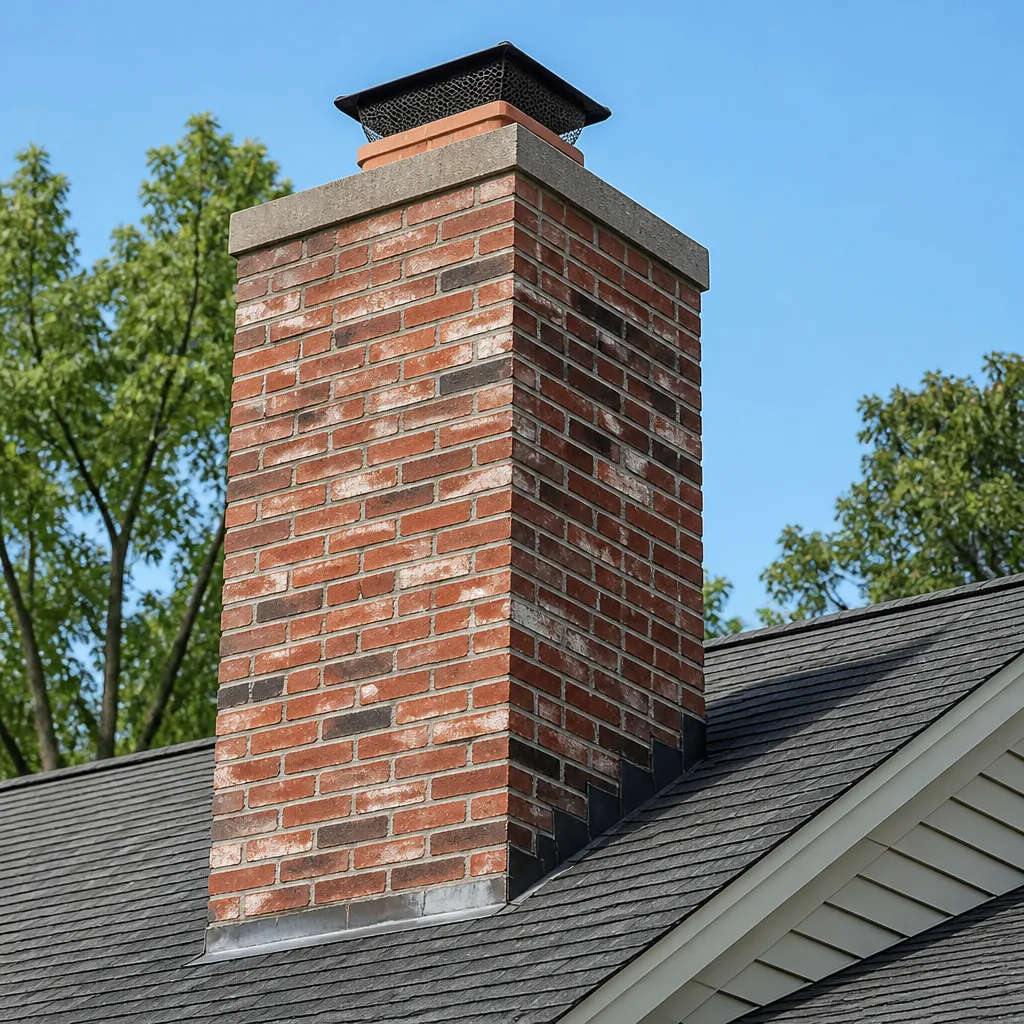 Masonry repair
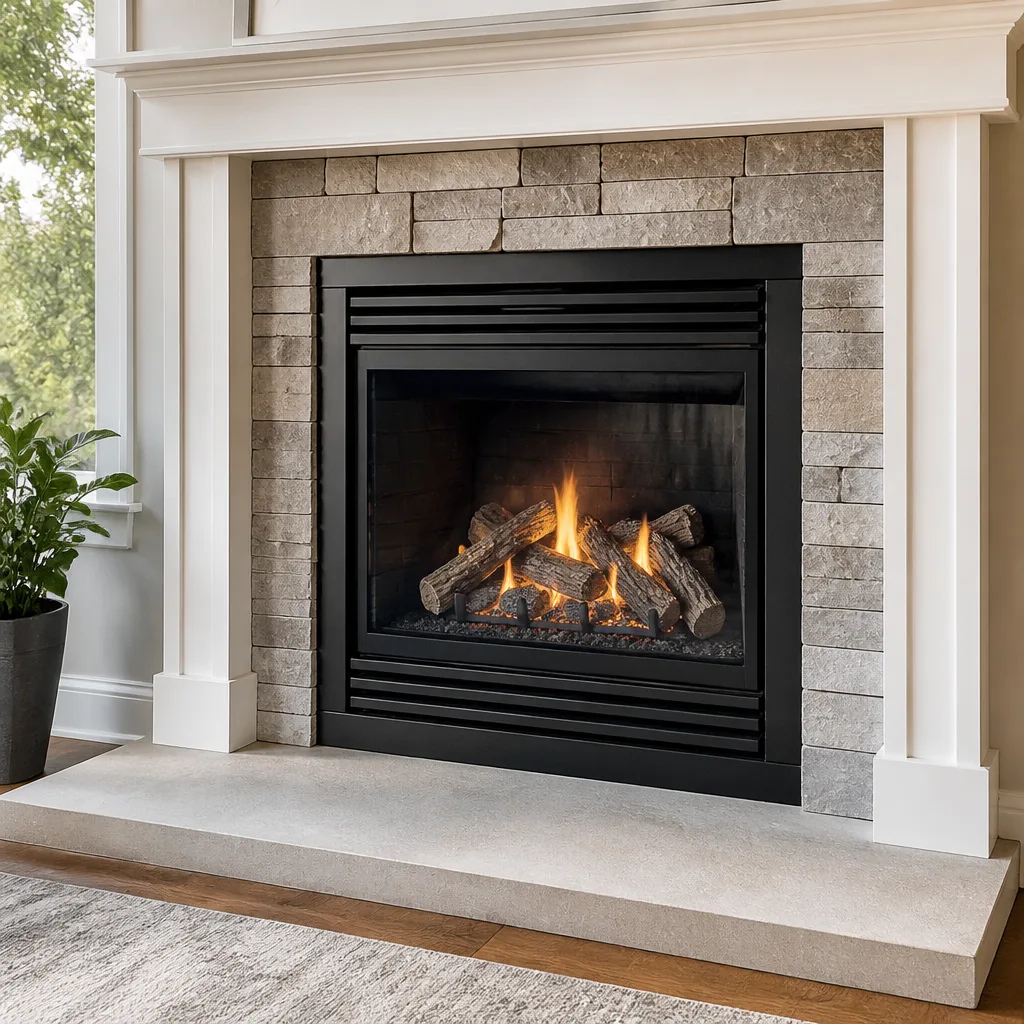 Gas fireplace service
Level 1 sweep and inspection to the NFPA 211 annual standard - flue, crown, cap, and flashing checked and photographed
Chimney sweep logs do not sweep chimneys. They loosen some creosote - which then falls where a brush and vacuum still have to collect it.
How to Hire a Chimney Cleaning Contractor in Gilbert: A Step-by-Step Guide
The certification badge on a contractor’s website tells you less than you think. A CSIA-certified sweep can still be the wrong person to hand your chimney to if that same sweep subcontracts every structural repair to laborers nobody has credentialed, or if the “certified” technician who arrives is not the one whose name is on the certificate. In Gilbert, where wood-burning fireplaces get real use in winter and gas inserts run all year, the vetting question is not just “are they certified?” but “certified in what, and what happens when my flue needs more than a brushing?” This guide gives you a concrete framework: the certifications that actually matter, seven questions to ask before booking, and what a legitimate written estimate looks like.
Quick Answer
Hiring a chimney contractor in Gilbert comes down to four checks: verify the technician is CSIA-certified for sweeping and, for structural or relining work, that the company holds the manufacturer credentials to install the products it quotes; confirm liability and workers’ compensation coverage in writing; insist on a camera inspection with a photo report before any repair is recommended; and ask for a written scope of work that names the flue components, the brand of liner or resurfacing system, and the price. A company that can do all three service lines (sweep, inspect, repair) under one accountable roof is easier to vet than one that outsources the hard work.
Styles & brands we work with
- Sweep & inspection
- Caps & crowns
- Flue relining
- Masonry repair
- Gas fireplace service
Table of Contents
- What Do CSIA, NFI, and CDET Certifications Actually Cover?
- Seven Questions to Ask Before You Book
- What a Legitimate Written Estimate Should Include
- The Single-Call Specialist Model vs. the Upsell Model
- Insurance and Liability: What a Gilbert Contractor Should Carry
- Why Inspection Comes Before Any Repair Quote
- How to Read a Camera Inspection Report
- Common Mistakes to Avoid
What Do CSIA, NFI, and CDET Certifications Actually Cover?
CSIA is the baseline, not the finish line. The Chimney Safety Institute of America certifies chimney sweeps on inspection and cleaning practice, and a CSIA-certified technician is a reasonable minimum standard for routine annual maintenance. But CSIA certification tells you almost nothing about whether the company can properly install a stainless liner, resurface a deteriorating flue, or service a gas appliance. Those are separate credential tracks, and this is exactly where Gilbert homeowners get tripped up.
Here is how the three main certifications break down by job type:
- CSIA (Chimney Safety Institute of America) – the core credential for sweeping, inspection, and general chimney evaluation. Best indicator for annual cleaning and pre-purchase inspection work. Look for the technician’s individual CSIA number, not just a company logo.
- NFI (National Fireplace Institute) – gas, wood, and pellet appliance specialist certification. Matters most for gas fireplace service, insert installation, and venting on gas appliances. A contractor who only sweeps wood-burning flues may not hold NFI gas credentials, so ask specifically.
- CDET (Chimney Dryer Exhaust Technician) – a niche certification related to dryer venting. Relevant only if your service scope involves exhaust venting, which it typically does not in a chimney-only chimney company.
For a standard annual chimney sweep in Gilbert, CSIA certification is the meaningful check. For chimney repair, relining, or a gas insert problem, ask which NFI or manufacturer-specific training applies and get a straight answer. A specialist who can tell you plainly which credential covers which task is a specialist worth keeping.
Seven Questions to Ask Before You Book
The quality of a chimney contractor shows up in how they answer these questions before the job, not after. A confident, competent company answers each one without hedging. Here is the list, with the good answer and the red flag side by side.
- “Is the technician who will be in my home CSIA-certified, and can you tell me their number?” Good answer: a specific name-optional certification reference or a clear statement that the assigned technician holds CSIA certification. Red flag: “All our guys are trained,” with no credential named.
- “Do you do structural repair and relining in-house, or do you subcontract it?” Good answer: the company handles sweep, inspection, and repair with its own team and its own product supply. Red flag: “We refer that out” once a crack appears.
- “What brand of liner do you install, and why that one?” Good answer: a named professional-grade liner system such as a DuraFlex flexible liner, with a rationale tied to your flue. Red flag: “Whatever’s available” or “the standard one.”
- “Do you carry liability insurance and workers’ compensation, and can I see proof?” Good answer: a certificate of insurance provided without friction. Red flag: reluctance, or “we’re covered” with no document.
- “Will the inspection include a camera and a photo report I keep?” Good answer: yes, photos provided. Red flag: verbal findings only, especially when a big repair is recommended.
- “Can you give me the written scope before I book, or is the price a range over the phone?” Good answer: a written estimate that sets the final price. Red flag: “We’ll see when we get there” for anything beyond a routine sweep.
- “If my flue doesn’t need work this year, will you tell me that?” Good answer: an immediate, unqualified yes. Red flag: a pause, or a pitch for a liner before anyone has looked at the flue.
Run this list once and you will learn more about a contractor than any review page can tell you. If a company cannot answer number two and number five with clarity, stop there.
What a Legitimate Written Estimate Should Include
A real chimney estimate names parts and systems. A vague one hides behind ranges. In Gilbert, where many homes have original or older flue construction and the summer heat is hard on masonry caps and crowns, the estimate needs to reflect what is actually on your roof and in your chase. Here is what the written scope should contain, and what its absence signals.
- The specific flue section or component being addressed – not “flue repair,” but which flue, which appliance, which level of the chimney.
- The product and brand – for relining, a named system such as DuraFlex; for resurfacing, the product being applied. Brand-specific scope is proof the contractor sources trade-grade material, not hardware-store substitutes.
- The reason, tied to evidence – a photo, a measurement, or an inspection finding. “Your liner has a visible crack at the second joint, photographed, and here’s the repair” is a real estimate. “You need a new liner” is not.
- The price, stated as the price – a flat-price sweep agreed before booking, and a repair quote that sets the final number rather than a “starting at.”
- The terms – what the work includes, what it does not, and whether the company handles the job with its own team.
What vague estimates signal: a contractor who quotes before inspecting, who cannot name the liner, or who pads a range to cover unknowns they never measured. None of those are accidental.
The Single-Call Specialist Model vs. the Upsell Model
You can often tell which type of contractor you are talking to within the first two minutes of a call. The single-call specialist wants to inspect first, quotes after, and can carry the job from cleaning through structural repair without handing you off. The upsell model leads with a repair recommendation, prices a package before seeing the flue, and disappears when the work gets technical.
Signs you are dealing with a single-call specialist:
- They ask about your appliance and flue type before quoting anything.
- They describe inspection as the first step, not a separate sales event.
- They name the brands they install (DuraFlex, HeatShield, Gelco, Copperfield, Olympia Chimney, Famco) because those are trade-level products, not afterthoughts.
- They tell you what can safely wait. This is the clearest signal of all.
Signs you are dealing with an upsell:
- The price depends on how the call goes, not on a written scope.
- They cannot tell you who does the structural work or what credential covers it.
- They pressure a decision on the first visit.
Sweep, repair, inspect – one company, one call is not a slogan for us; it is how a chimney company avoids the handoff problem that lets an uncredentialed subcontractor end up on your roof. When you work with Chimney Sweep Gilbert, the same accountable team that cleans your flue can resurface a liner with HeatShield or reline a compromised flue with DuraFlex, so nothing gets lost between the sweep and the repair.
Insurance and Liability: What a Gilbert Contractor Should Carry
A chimney contractor working on your roof and in your flue should carry general liability insurance and workers’ compensation. Those are the two that protect you, and they are both verifiable before the work starts. General liability covers damage to your home; workers’ compensation covers the technician if they are injured on your property. If a contractor has neither, you are carrying the risk that a dropped chunk of masonry or a fall turns into a claim against you as the homeowner.
How to verify coverage without overcomplicating it:
- Ask for a certificate of insurance before booking. Legitimate companies provide it without friction.
- Check the certificate shows current dates and lists general liability and workers’ comp.
- Confirm the name on the certificate matches the company doing the work, not an unrelated entity.
- Ask whether the technicians who arrive are covered or whether any repair is subcontracted; subcontractor crews need their own coverage, and you want to know.
In Gilbert, insurance is not a formality. Roof access on a two-story home with a low-slope section and summer heat changes the physical risk profile. A contractor who shrugs at the question is not the contractor you want carrying that risk.
Why Inspection Comes Before Any Repair Quote
Nothing should be recommended without camera evidence you can see for yourself. That is the working rule for honest chimney work, and it is the standard we hold in Gilbert. A camera inspection runs the full length of the flue, shows the condition of the liner joints, the smoke chamber, and the damper, and produces a photo report you keep. From that report, and only from that report, a written estimate follows.
What the inspection catches that a visual look from the firebox cannot:
- Liner cracks and joint separation at higher levels.
- Debris, nests, or buildup above the smoke shelf.
- Deterioration in the flue that makes resurfacing with HeatShield the right move instead of replacement.
- Gas appliance venting issues on the insert or water heater flue.
Your flue is a life-safety system, and the inspection is the diagnostic step that tells you what the system needs. When you’re ready to switch from vetting to scheduling, a free inspection estimate is the way in: call (866) 942-9144. We answer 24/7. Fast dispatch from 7am to 7pm, Sunday through Friday.
How to Read a Camera Inspection Report
A photo report is only useful if you can read it. The camera inspection produces images of the flue interior, and those images answer three questions: what is the flue made of, what condition is it in, and does it need repair now, later, or never. A good technician walks you through each photo and what it shows, in plain terms, before any number appears.
What to look for in the report:
- Photo evidence of each finding – no finding should appear in the report without an image to back it up.
- The condition assessment – intact, cracked, damaged at joints, or deteriorated flue, stated clearly.
- A recommendation with timing – “repair this before the next burning season” versus “monitor and recheck next year.”
- The scope that follows from it – if a relining or resurfacing recommendation appears, the scope should name the product, such as a Copperfield cap for the top of the flue alongside the liner work.
If the report recommends thousands of dollars of liner or masonry work, you should be able to see the photo that justifies it, and the contractor should be willing to say plainly when a repair can safely wait. That is the answer to the real hesitation most homeowners feel: the work is only worth doing when the evidence says so, and the evidence is yours to keep.
Common Mistakes to Avoid
- Booking on price alone. The lowest sweep quote in Gilbert often reflects a contractor who cannot name their liner brand or who subcontracts repair. You save on the cleaning and pay more later when the flue needs real work.
- Accepting a repair recommendation with no camera evidence. If the technician recommends a liner before they have run a camera and shown you the images, the recommendation is not grounded. Ask to see the photo.
- Confusing a company certification with a technician certification. A CSIA logo on a website does not mean the tech on your roof is the one certified. Ask which individual holds which credential.
- Skipping the insurance request. It takes one email. A certificate of insurance protects you from becoming the party who absorbs a drop or a fall on your own roof.
- Hiring a generalist for structural work. A handyman with a brush can clean a flue. Resurfacing a liner with HeatShield or relining with DuraFlex takes manufacturer-specified product and application. Those are different jobs.
- Ignoring the seasonal risk. Wood-burning fireplaces in Gilbert get real use in the cooler months, and a flue that has not been swept can accumulate creosote. Skipping annual maintenance is not a savings; it is a safety deferral.
- Not asking what can wait. The contractor who tells you a repair can hold until next year has earned your trust; the one who quotes it today without the photo has not.
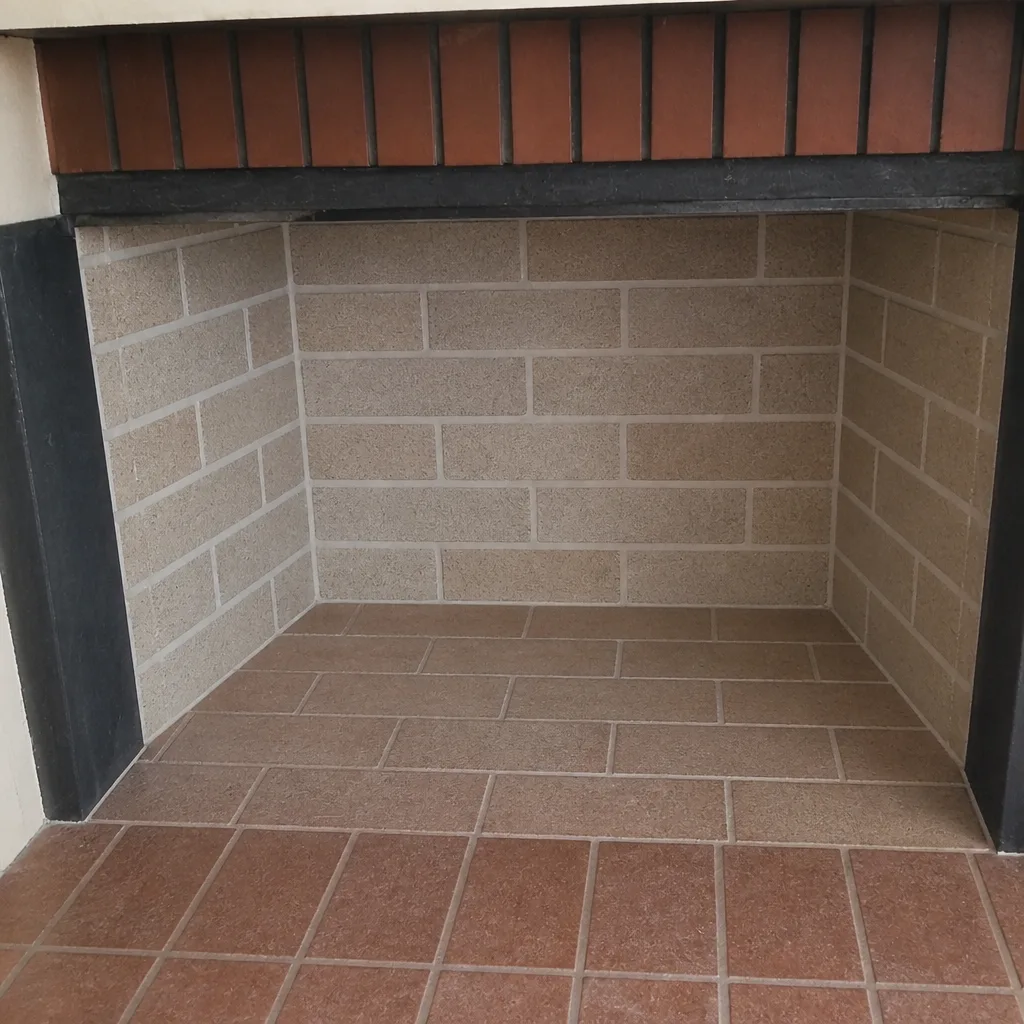
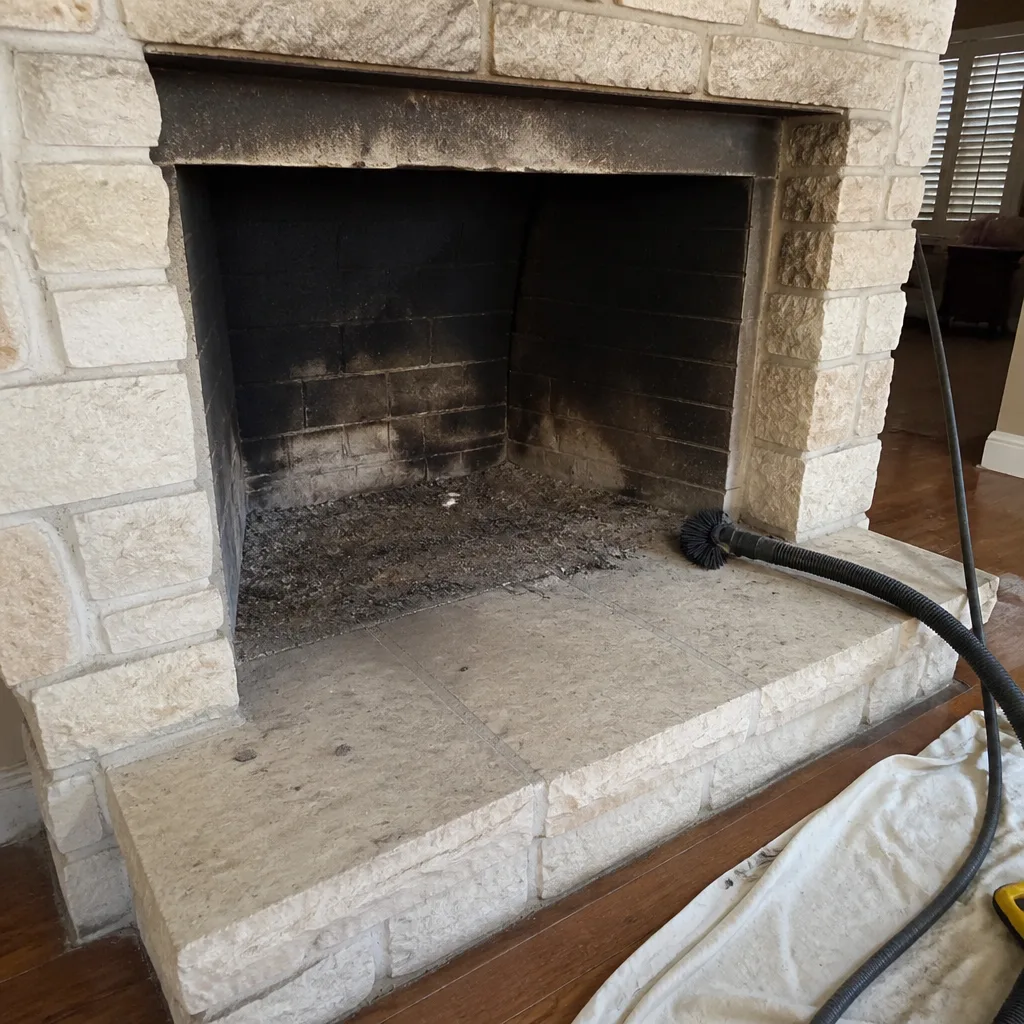
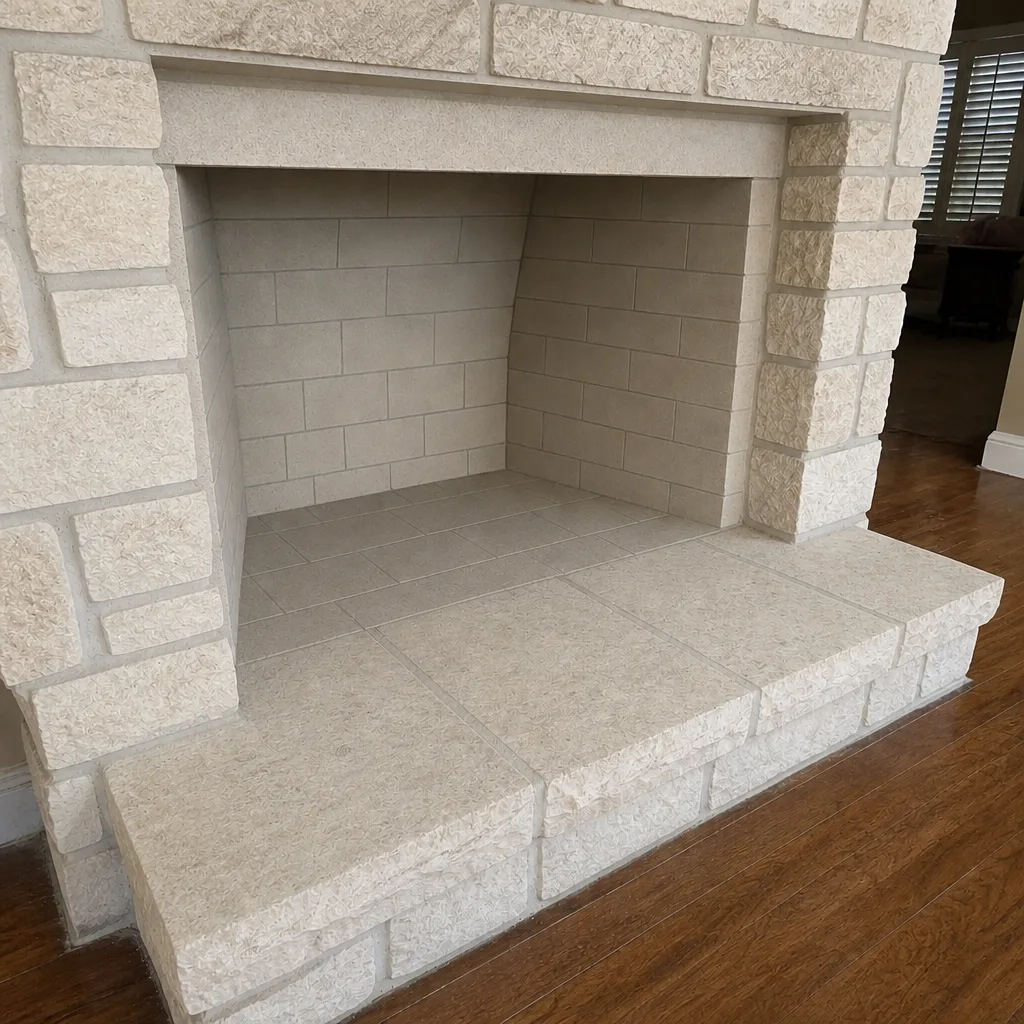
See the difference
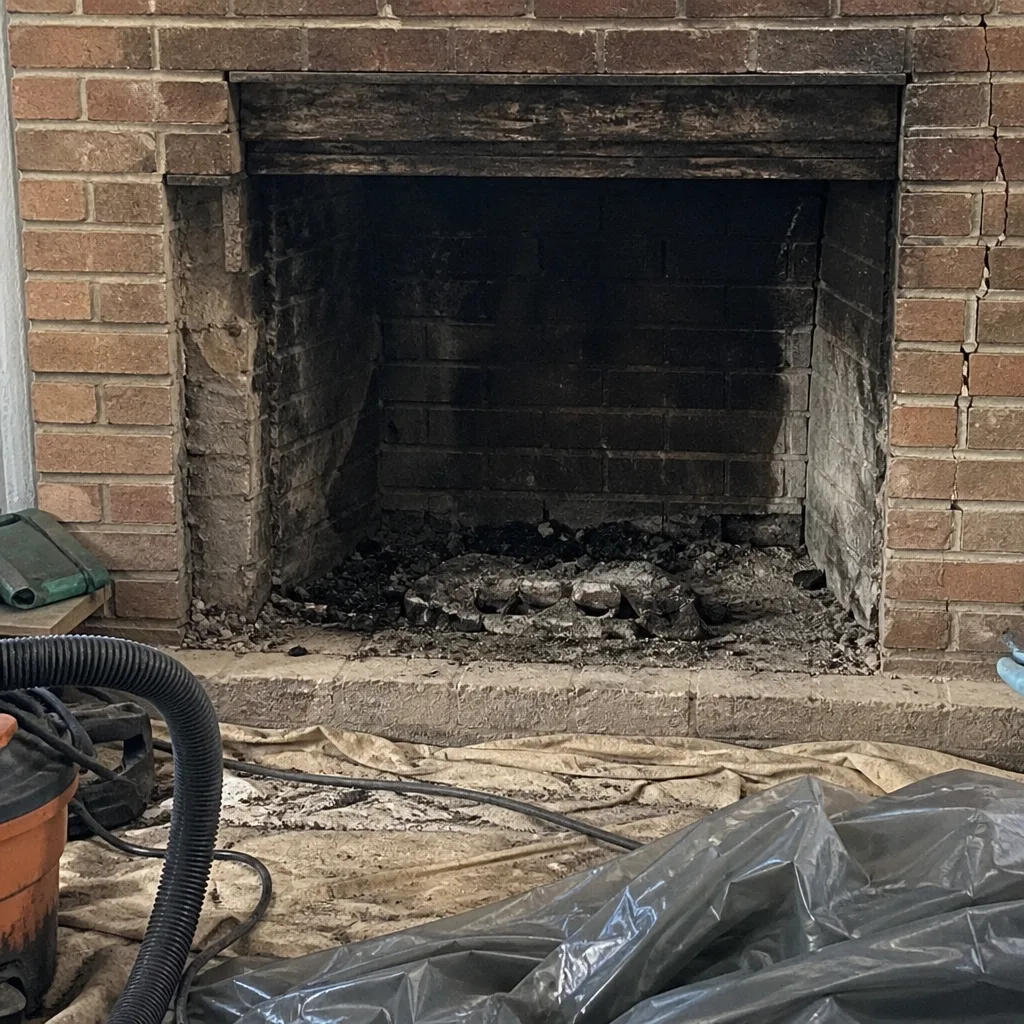 Before
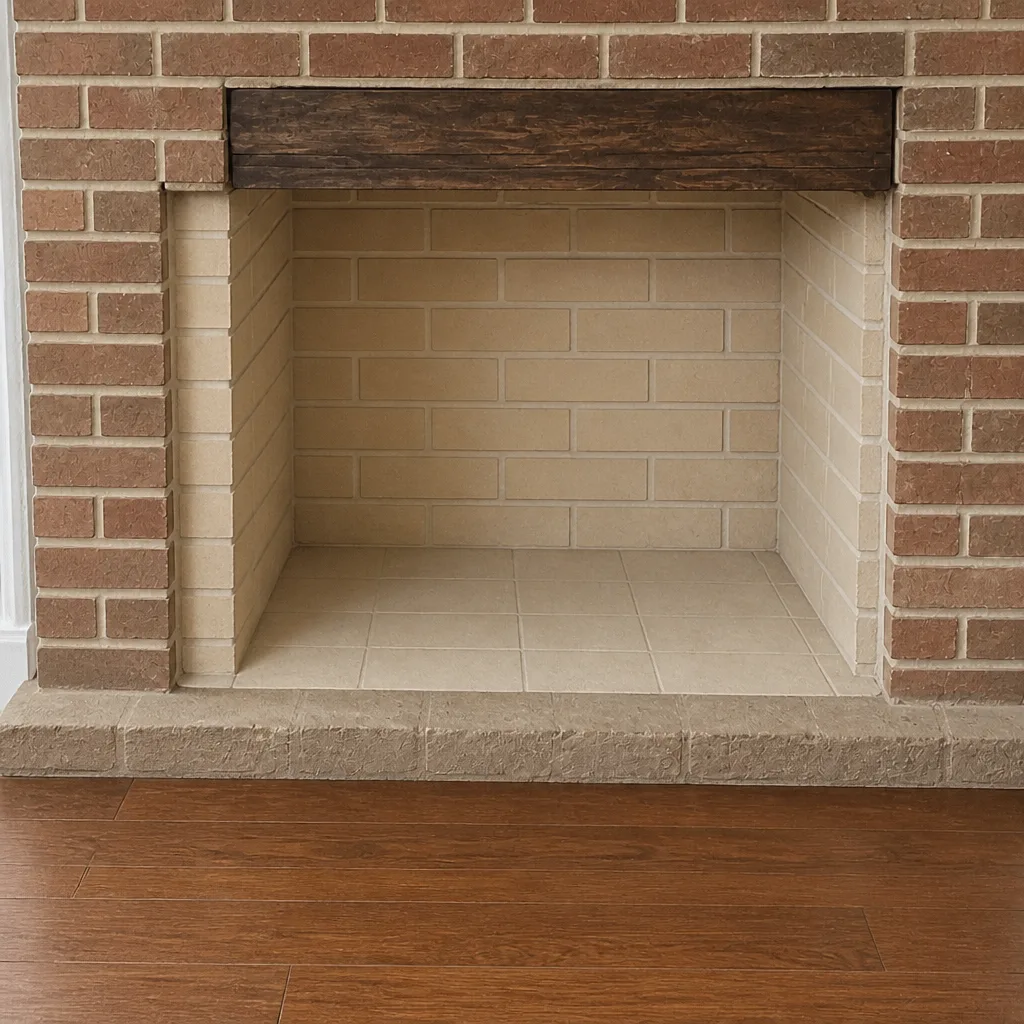 After
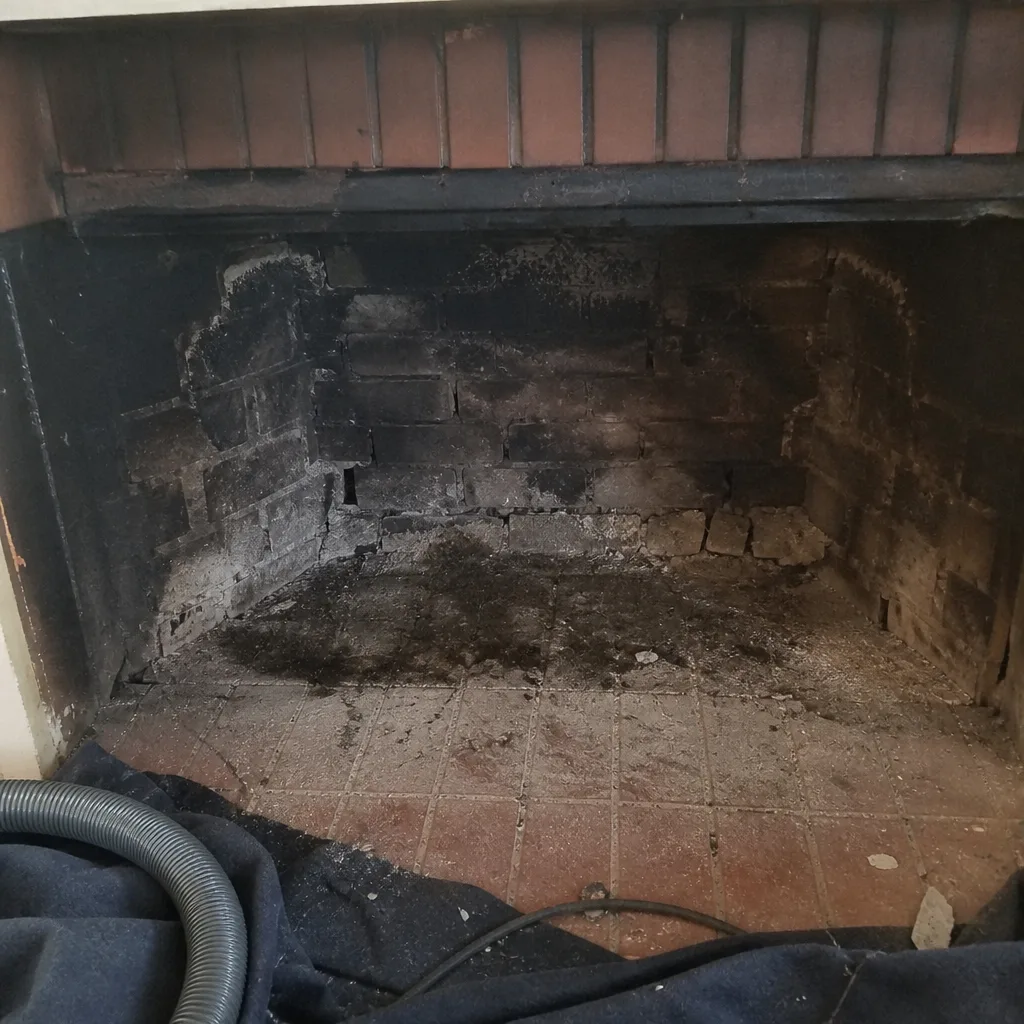 Before
 After
 Before
 After
When to Call a Professional
Call a specialist when you see or smell creosote, when smoke backs up into the room on a wood-burning fire, when the gas insert has a venting smell or a change in flame, when a pre-sale inspection report is required in a real-estate transaction, or when you cannot remember whether the flue has ever been swept. Annual cleaning is the baseline; that standard applies especially in Gilbert, where wood-burning fireplaces are in genuine seasonal use. A trained technician handles the flue and the roof safely, so we do not recommend a homeowner climb up to check it. Inspections are suitable for annual safety checks and for the pre-purchase reports Gilbert real-estate transactions require. When you’re ready to stop vetting and start scheduling, Gilbert is where we work: Chimney Sweep Gilbert offers free estimates in Gilbert – call (866) 942-9144.
Frequently Asked Questions
Routine chimney sweeping in Gilbert is typically quoted as a flat price agreed before booking, and the written estimate sets the final price; repair and relining work is priced per job after inspection. Call (866) 942-9144 for an exact quote – estimates are free.
You need a new liner if the camera inspection shows a cracked, damaged, or deteriorated flue that cannot safely carry combustion products, and not otherwise. The recommendation should come with the photo that justifies it; a proper liner system such as a DuraFlex flexible liner is specified for your flue rather than picked as a stock item. Call (866) 942-9144 for an exact quote – estimates are free.
Once a year is the standard starting point for a wood-burning chimney in regular use, and a gas appliance flue should be inspected on the same annual basis. Gilbert’s cooler months are when a wood-burning fireplace gets real use, so the sweep should land before the burning season. Call (866) 942-9144 for an exact quote – estimates are free.
Skipped maintenance allows creosote to build up and lets liner cracks go unnoticed, which raises chimney fire and carbon monoxide risk over time. It does not fail immediately, which is exactly why it gets put off, but the risk compounds. Call (866) 942-9144 for an exact quote – estimates are free.
Yes. We provide chimney inspections suitable for annual safety checks and for real-estate transaction requirements, including a photo report the buyer and seller can review. The same team that inspects can complete the repair if the report calls for it. Call (866) 942-9144 for an exact quote – estimates are free.
CSIA certification is the right baseline for cleaning and inspection, but it does not cover structural relining or resurfacing capability. For repair work, ask which manufacturer credentials and product brands the company carries, and confirm the work is not subcontracted. Call (866) 942-9144 for an exact quote – estimates are free.
The Bottom Line
Hiring a chimney contractor in Gilbert is a vetting exercise, not a price comparison. The certification question is the start, not the end: CSIA for sweeping, NFI for gas appliance work, and the manufacturer credentials that back any relining or resurfacing quote. Ask the seven questions, read the written estimate, and insist on camera evidence before you approve repair work. A specialist who can diagnose before quoting, name the product they install, and tell you what can safely wait has earned the call. Chimney Sweep Gilbert carries DuraFlex liners, HeatShield resurfacing, and Gelco and Copperfield components, and handles sweep, repair, and inspection with the same accountable team. Our technicians have up to 14 years of experience. Call (866) 942-9144 for a free estimate – we answer 24/7, with fast dispatch from 7am to 7pm, Sunday through Friday.
Written by the team at Chimney Sweep Gilbert.