
Last updated November 16, 2026
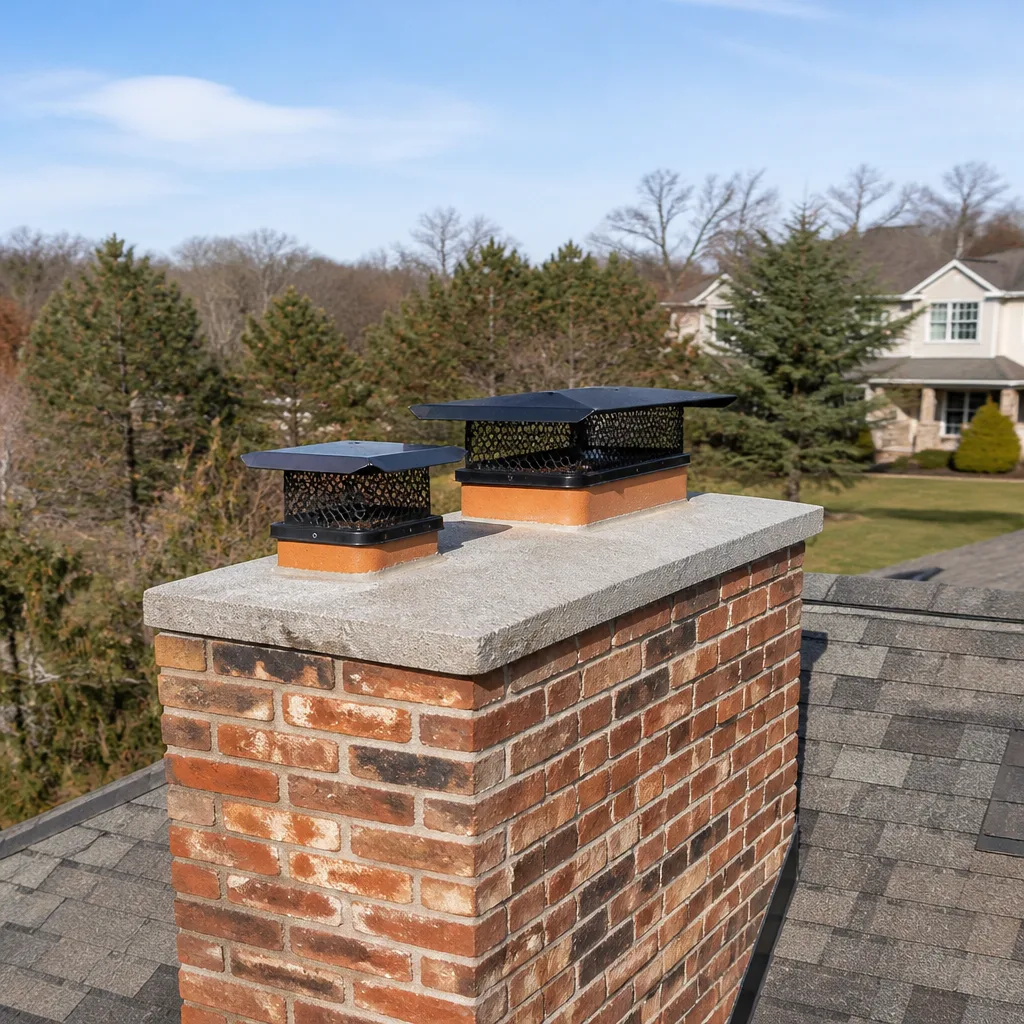 Sweep & inspection
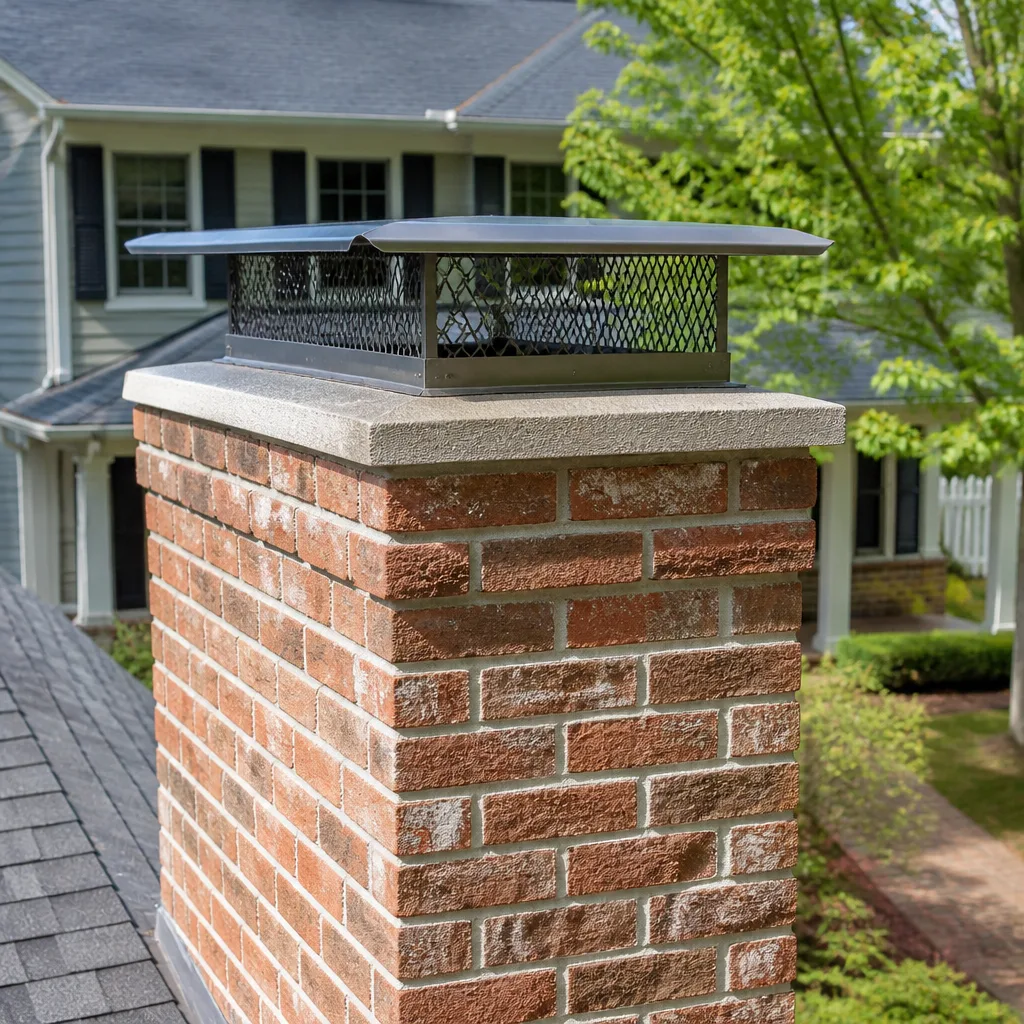 Caps & crowns
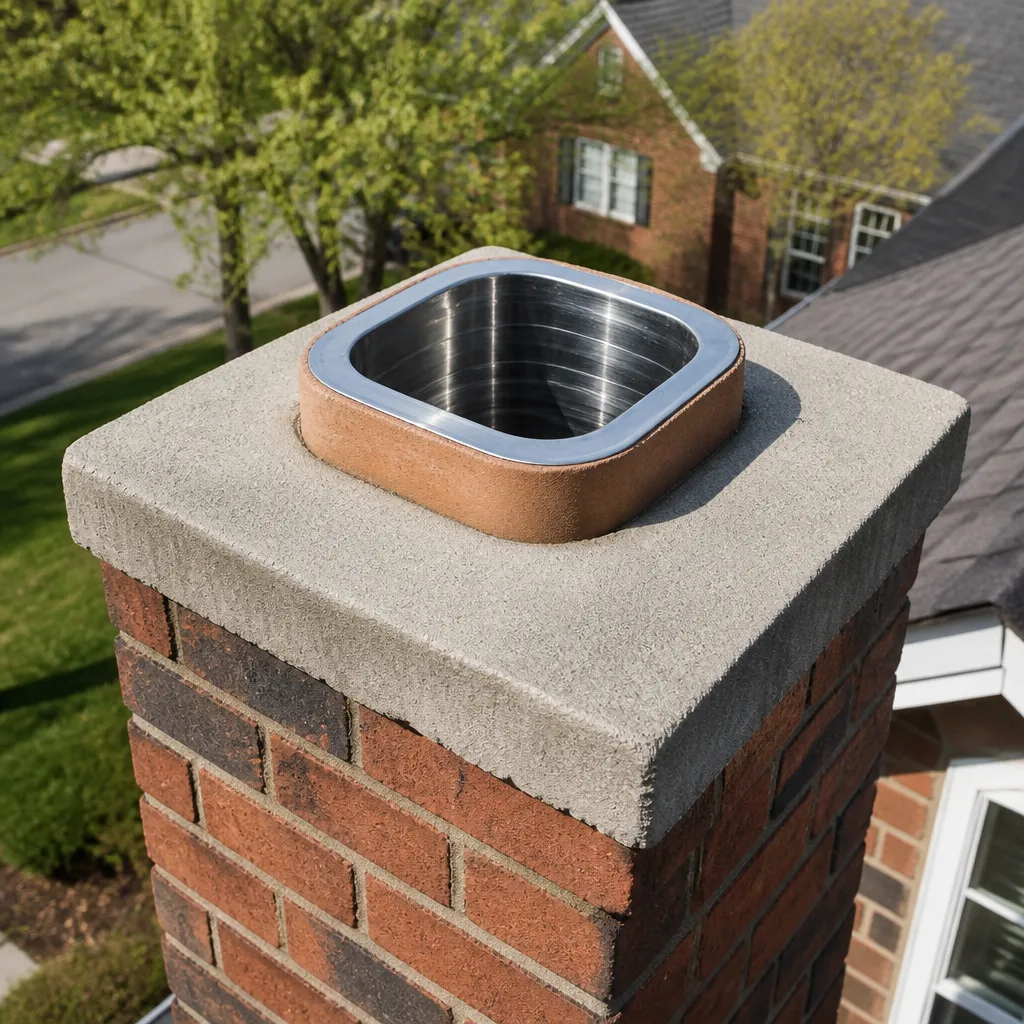 Flue relining
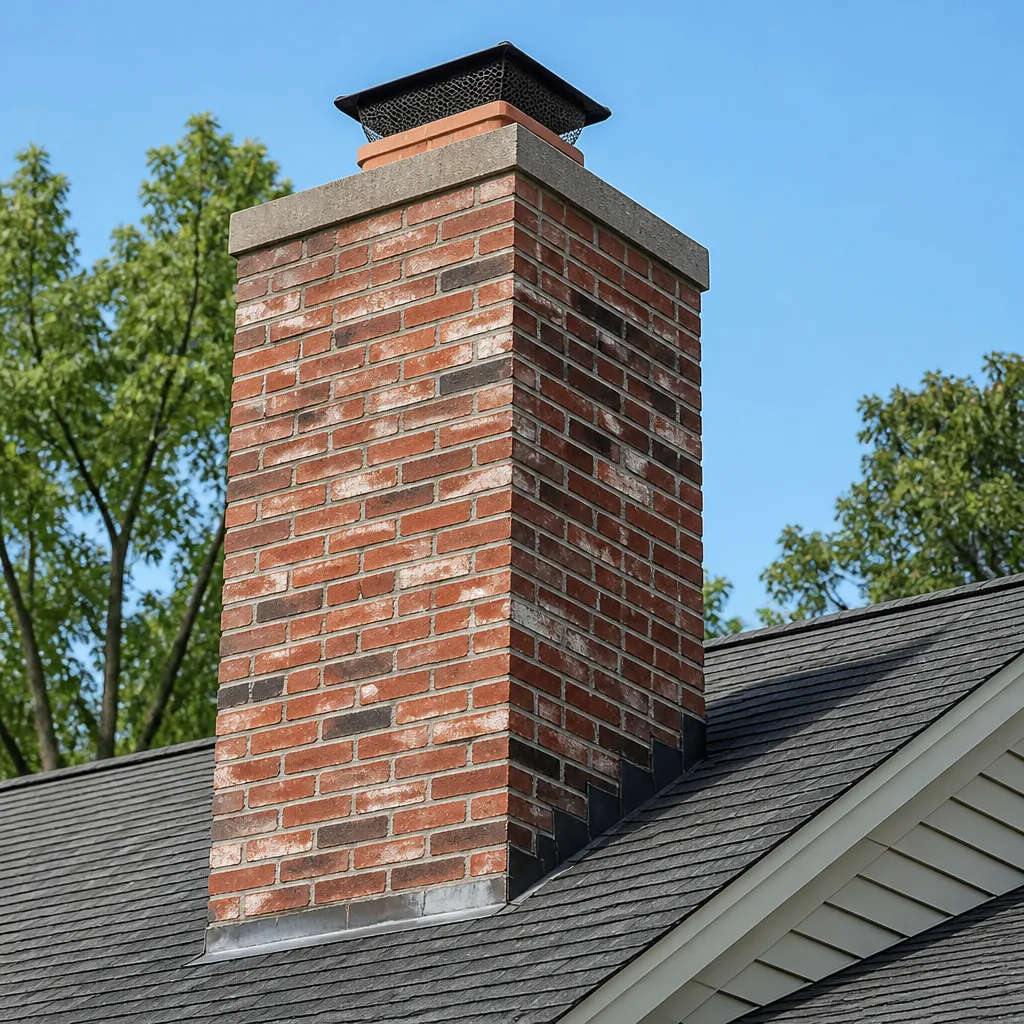 Masonry repair
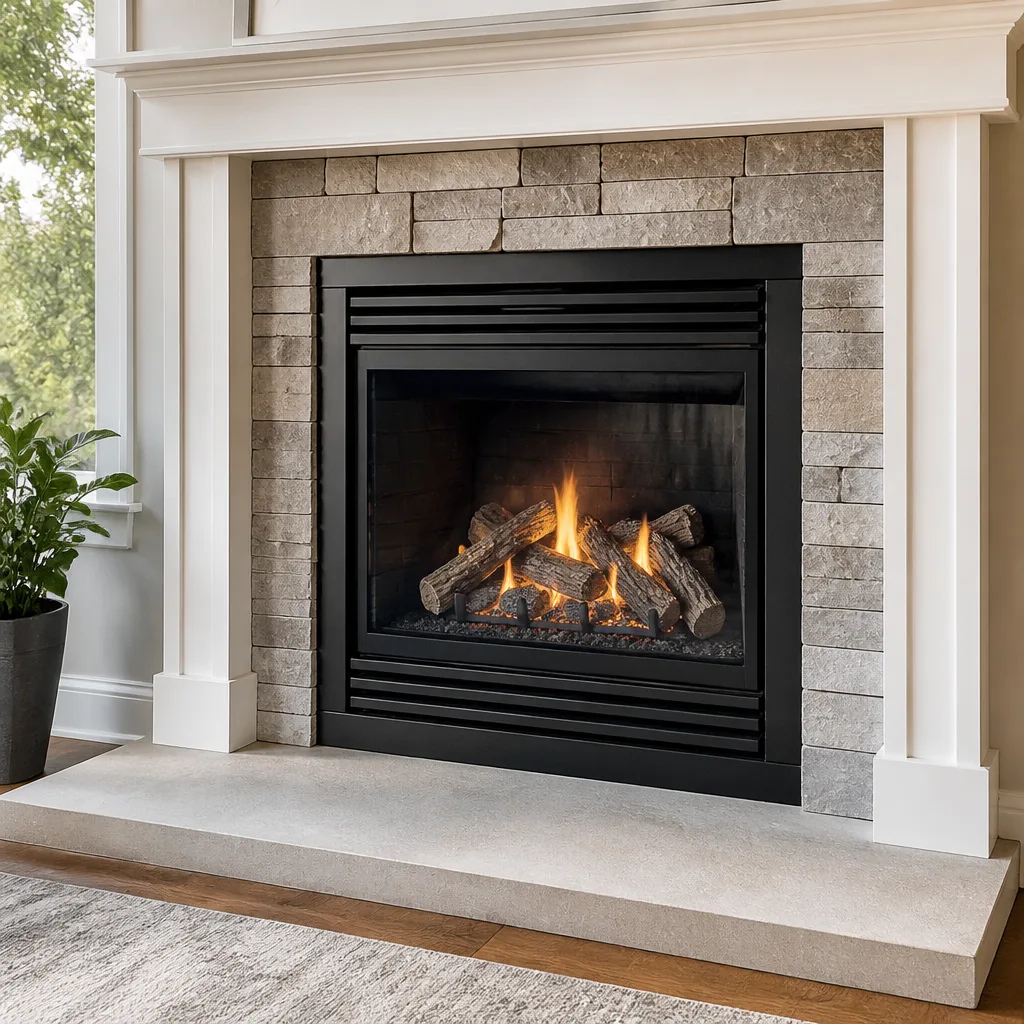 Gas fireplace service
Level 1 sweep and inspection to the NFPA 211 annual standard - flue, crown, cap, and flashing checked and photographed
Chimney sweep logs do not sweep chimneys. They loosen some creosote - which then falls where a brush and vacuum still have to collect it.
Most Gilbert homeowners picture a chimney emergency as a roaring wall of flame shooting from the roof. In our experience, that’s the rare version. A more common scenario is a slow, quiet chimney fire that burns inside the flue with almost no visible sign, then goes out on its own, leaving behind a heat-cracked liner nobody knows about until the next inspection. That’s the version worth planning for. This guide covers the three chimney emergencies Gilbert homes actually face, how each one requires a different response, and what to have ready before you ever need it.
Quick Answer
A chimney emergency in Gilbert comes in three forms: an active chimney fire, a carbon monoxide event tied to a gas or wood appliance, and structural compromise after a monsoon storm. Each has its own response. For a suspected active chimney fire, get everyone out and call 911. For a CO alarm, evacuate and ventilate, then call the gas utility and 911. For post-storm damage, suspend all burning and book a Level 2 inspection before you light another fire. The one rule that applies to all three: stop using the chimney until a qualified professional has looked at it.
Styles & brands we work with
- Sweep & inspection
- Caps & crowns
- Flue relining
- Masonry repair
- Gas fireplace service
Table of Contents
- The Three Chimney Emergencies Gilbert Homeowners Should Plan For
- What to Do in the First 60 Seconds of a Suspected Chimney Fire
- Carbon Monoxide in a Gilbert Home with a Gas Fireplace
- Post-Monsoon Structural Damage: Emergency vs. Cosmetic
- What to Document After a Chimney Emergency for Insurance
- Why a Level 2 Inspection Is Required After a Chimney Fire
- The Gilbert Chimney Emergency Preparedness Checklist
- When to Call a Professional
The Three Chimney Emergencies Gilbert Homeowners Should Plan For
Gilbert’s climate shapes the risks more than most people realize. Winters here are mild, which means wood-burning fireplaces get used on and off through a long season rather than in one concentrated cold stretch. That pattern matters: intermittent burning with long idle gaps lets creosote accumulate and then bake onto the flue in layers, and a flue that never gets properly cleaned all season is where chimney fires begin. Meanwhile, the summer monsoon season delivers the kind of wind and driving rain that finds its way into chimney tops, and a gas fireplace running quietly in a modern Gilbert home introduces a separate carbon monoxide risk that has nothing to do with wood at all.
Here are the three scenarios worth building a plan around.
- Active or recent chimney fire. This includes both the dramatic version and the silent one. Either way, the flue may be compromised afterward and the chimney cannot be used until it’s inspected.
- Carbon monoxide event. A CO alarm triggered by a blocked flue, a failed vent, or a gas appliance venting incorrectly. This is a life-safety emergency that calls for evacuation, not investigation.
- Post-storm structural compromise. After a monsoon, a chimney crown, cap, or flashing may be displaced, cracked, or partially detached. Some of this is cosmetic. Some of it means stop using the chimney now.
Each of these requires a different set of first moves. Treating them the same is where homeowners get into trouble. A response plan is worth writing down and keeping with your fire safety materials, and it’s the foundation of safe chimney ownership in Gilbert.
What to Do in the First 60 Seconds of a Suspected Chimney Fire
If you hear a low roaring sound from the chimney, see dense smoke or sparks at the top, notice a strong creosote smell in the room, or hear a popping or cracking noise from the flue, assume a chimney fire and act.
- Get everyone out of the house. That means people first, pets second, phone last. Do this before anything else.
- Call 911 from outside. Even if the fire appears to go out on its own, call. The fire department will confirm the fire is fully out and check the roof and attic for heat extension.
- Do not open the damper wider. Some people instinctively open the damper all the way to let smoke out. That feeds more oxygen to the fire inside the flue. Leave it closed or as it is.
- Do not spray water down the chimney from the roof. A sudden temperature shock can crack a clay tile liner or warp a metal one, and standing on a roof during a chimney fire is dangerous.
- Close the glass doors on the firebox if you have them. This limits the air supply to the firebox and helps contain smoke in the room.
- Once the fire department clears the scene, stop using the chimney. A chimney fire leaves the flue compromised more often than people expect. That’s the whole point of the next step.
When to call 911 versus manage independently is the question we get asked most. Our answer is simple: call 911 any time you suspect an active fire. If the fire has clearly gone out and the fire department has confirmed it, you can manage the aftermath yourself, but the aftermath includes a required inspection before the next burn. Opening the damper wider and spraying water from the roof are the two moves that turn a contained chimney fire into a worse one, and they’re worth teaching to every adult in the house.
One quiet detail about chimney sweep work in our experience: the majority of the chimney fires we see evidence of were not reported by the homeowner because there was nothing to see from inside the house. Popping sounds and a strong smell are often the only signs. If anything about the last burn felt off, treat it as a suspected event and get the flue looked at.
Carbon Monoxide in a Gilbert Home with a Gas Fireplace
A gas fireplace produces carbon monoxide as a normal byproduct of combustion, and it relies on proper venting to carry that CO out of the home. In a modern Gilbert home, gas fireplaces are common and often the only CO source in the house, which means a blocked flue or a failed vent is the main thing to watch for. There’s an important distinction here that many homeowners miss.
Full alarm vs. low-level alarm: what each means
Standard CO alarms sound at elevated concentrations. If one goes off, treat it as a full emergency: evacuate, call 911, and don’t re-enter until responders say it’s safe. A low-level CO alarm, which measures at lower concentrations, can trigger before a standard alarm would. A low-level alarm means CO is present and building, and you should shut off the gas fireplace, open windows and doors, and get fresh air moving. Then call a qualified professional to find the source before using the appliance again. A low-level alarm is not a nuisance alarm. It’s the system telling you something is leaking.
What a CO event requires after the fact:
- Do not run the gas fireplace until the venting has been inspected.
- Get an inspection of the flue, damper, and vent connection to the appliance.
- Replace any CO alarm that has been exposed to a significant concentration, following the manufacturer’s instructions.
- If more than one person in the home has been experiencing headaches, fatigue, or dizziness that improve away from the house, that’s serious and worth a call to your doctor and to a chimney professional.
We treat CO detection as part of the chimney maintenance conversation. A properly specified and intact flue system is what makes a gas fireplace safe, and a chimney inspection is the way to confirm the flue is doing its job. Trade-grade components matter here. We install dampers and venting accessories from recognized makers like Olympia Chimney so the fit is right for the appliance, not improvised. Whatever your fireplace, the point stands: a CO detector near sleeping areas, tested regularly, is not optional.
Post-Monsoon Structural Damage: Emergency vs. Cosmetic
Gilbert’s monsoon season brings wind-driven rain and dust storms that test every part of a roof, chimney included. The morning after a big storm is a good time for a quick visual check with binoculars from the ground. What you’re looking for is displacement, not just dirt.
Stop using the chimney immediately if you see:
- A missing or dislodged chimney cap. An open flue is an invitation for water, debris, and animals.
- Visible cracks in the chimney crown or a chunk of crown resting on the roof or ground.
- Loose or displaced flashing where the chimney meets the roof deck.
- Visible gaps or tiles shifted out of line in the exterior masonry.
- A chimney that looks like it’s leaning relative to how it looked before the storm.
- Water staining on the ceiling or attic framing near the chimney chase.
What’s cosmetic: dirt streaking on the outside, staining on the crown, or a cap that looks old but is still firmly attached. These are worth a maintenance visit but not a mid-season emergency. What’s not cosmetic is anything that changes the chimney’s ability to shed water or contain fire, and that’s the line to draw: if the structure has moved, the chimney should not be used until it’s inspected.
In our experience, the monsoon-related chimney repairs that get delayed the most are the ones homeowners can’t see: a crown that cracked but hasn’t yet stained the ceiling, a cap that took on a slight bend in the wind, flashing that’s quietly been letting water in for weeks. A quality cap from a maker like Copperfield properly fitted to your flue prevents the debris and water infiltration that leads to bigger structural issues. Small fittings done right are cheaper than structural repairs done later. If you’re reading this after a storm, this is the moment to book the inspection, not months later. Emergency chimney repair is usually about the chimney cap and crown, and those rarely fail in ways you can predict from the interior.
What to Document After a Chimney Emergency for Insurance
Insurance claims on chimney damage go more smoothly when the paperwork is done before repairs start. What to gather:
- Photos of the damage from the ground and, if safe, from a fixed position on the roof. Do not climb onto a roof that may have been compromised by fire or storm.
- A written record of the event. Date, time, what you noticed first, who responded (fire department, gas utility, etc.).
- The fire department’s report or incident number if they were called. Ask for it before they leave.
- Your chimney professional’s written inspection report, including the Level 2 inspection findings and photographs of the flue interior, if a camera inspection was performed.
- All written estimates for repair, itemized, before any work begins.
- Any receipts for items that had to be replaced (CO detectors, for example).
The key insight most Gilbert homeowners miss: an insurance adjuster is going to want proof of two things – what happened, and whether the damage was pre-existing or caused by the event. That second question is where a camera inspection and a professional report earn their keep. A flue with photographic evidence from before and after is much easier to settle than a flue described from memory. This is why we recommend annual inspections: you build a record of the chimney’s condition season over season, and when something bad happens, you can show what changed.
Why a Level 2 Inspection Is Required After a Chimney Fire
Most homeowner insurance policies require a Level 2 chimney inspection after a chimney fire before coverage will apply to any related repair. A Level 2 inspection is a fuller assessment than the annual Level 1 check: it includes a video camera scan of the flue interior, a look at accessible parts of the chimney exterior and interior, and a check of the attic, crawl space, and any adjoining structures for signs of damage or heat transfer. The goal is to determine whether the flue is still intact and whether the chimney can safely be used again. It requires the condition to be documented in writing.
Why is Level 2 required? Because an ordinary visual sweep can miss the kind of damage a chimney fire leaves behind: hairline cracks in a clay tile, warped sections in a metal liner, or gaps in the joints that only show up on a camera scan. A chimney that looks fine from the top of the flue can still leak carbon monoxide into the house through a crack you can’t see without a camera. The Level 2 inspection is the way to know, and it’s what your insurer will ask for.
This is where we put real emphasis. Not every company that sweeps chimneys can perform a proper Level 2 inspection, and not every company that inspects can repair what it finds. Chimney Sweep Gilbert does both: inspection first, repair after, under one accountability line. When a flue liner is found cracked, we can resurface and rehabilitate it using HeatShield, and when the liner needs to be replaced, we reline the chimney with DuraFlex flexible liner systems. Those are trade-grade materials, not hardware-store substitutes, and the specification is set to your flue, not approximated.
The Gilbert Chimney Emergency Preparedness Checklist
Preparedness is a one-page document and a fifteen-minute setup. Here’s the checklist we’d suggest every Gilbert household with a fireplace or gas appliance work through.
- Install and test CO alarms. One near each sleeping area and on each level of the home. Test monthly. Replace per the manufacturer’s instructions.
- Keep a working ABC fire extinguisher on every level of the home, and know where it is.
- Post the chimney emergency response plan near the fireplace or in the utility area. Get out, call 911, don’t open the damper.
- Know where the gas shut-off is for any gas fireplace or appliance.
- Book an annual inspection and cleaning. Late summer, before the burning season starts, is the natural time. The flue is checked before the first fire of the season, and any issues found can be scheduled without urgency.
- Inspect the exterior after every monsoon storm. Binoculars from the ground are enough. Note anything that’s moved.
- Keep a chimney file. Inspection reports, estimates, photographs, receipts. It’s the first thing an insurance adjuster will ask for.
- Save our number. Call (866) 942-9144. We answer 24/7. Fast dispatch from 7am to 7pm, Sunday through Friday.
The single most important item on this list is the annual inspection, because it’s what turns all the others into a plan rather than a hope. A Chimney Sweep Gilbert inspection doesn’t just clean the flue; it documents its condition so a fire, a storm, or a CO event is something you can respond to from a position of knowledge rather than uncertainty. Our technicians have up to 14 years of experience, and we bring a camera to every inspection because the flue interior is where the important findings live. If the annual service finds a cracked tile or a failing cap, we quote the repair and you decide. No surprises.
Common Mistakes to Avoid
- Opening the damper wider during a chimney fire. People think they’re letting the smoke out. They’re feeding the fire oxygen. Leave the damper alone and get out.
- Assuming a chimney fire that went out on its own is fine. The heat event that cracked your liner may be invisible from inside. A flue needs an inspection after any suspected fire.
- Skipping the CO alarm because the fireplace is “just gas.” A gas fireplace is a combustion appliance and it vents carbon monoxide. The alarm is what tells you if that venting has failed.
- Burning wood right after a monsoon without checking the cap and crown. A cap that has come loose isn’t just cosmetic. It’s an open door for water and debris, and it’s often the first thing to fail.
- Letting a sweep-only service handle a chimney fire aftermath. A sweep can clean the flue. A company that can also inspect, resurface, and reline can actually resolve what the inspection finds.
- Not documenting damage before repairs begin. Insurance wants photos and a written report. Once the chimney is repaired, the evidence is gone.
- Calling for a chimney inspection only after something goes wrong. Annual inspections create a baseline, and a baseline is what makes an insurance claim straightforward.
When to Call a Professional
Call a professional chimney company any time you suspect a chimney fire, any time a CO alarm has sounded, any time the exterior structure of the chimney has been visibly disturbed by a storm, and any time the flue has not been inspected in the past year. Also call if you’ve noticed a strong creosote smell during or after burning, if smoke backs into the room instead of going up, or if the damper has become hard to operate. These are signs the flue needs a trained look, not guesswork. Chimney Sweep Gilbert offers free estimates in Gilbert. Call (866) 942-9144. We answer 24/7. Fast dispatch from 7am to 7pm, Sunday through Friday.
Frequently Asked Questions
Common signs include a loud roaring or popping sound from the chimney during a burn, dense smoke or sparks at the top of the chimney, a strong creosote smell in the room, or puffy, honeycombed creosote visible inside the firebox. Many chimney fires burn quietly and leave no obvious exterior signs. The only reliable way to know is an inspection of the flue interior with a camera. Call (866) 942-9144 for an exact quote on an inspection – estimates are free.
Yes. A Level 2 inspection is the standard most insurers require before they’ll cover chimney fire damage, and it’s the only way to confirm the flue is intact. A Level 2 includes a camera scan of the flue interior, an assessment of the chimney’s accessible parts, and a written report. If a flue liner is found cracked, we can recommend resurfacing or relining based on what the camera shows. Call (866) 942-9144 for an exact quote on a Level 2 inspection – estimates are free.
A low-level CO alarm means carbon monoxide is present at a lower concentration than a full alarm threshold. It’s serious. Shut off the gas appliance, ventilate the house, and call a qualified professional to find the source before using the appliance again. A full alarm means evacuate and call 911 immediately. In either case, don’t assume the alarm is faulty. Call (866) 942-9144 for a flue and vent inspection – estimates are free.
As soon as possible if you see any sign of displacement – a shifted cap, a cracked crown, flashing that’s pulled away, or water staining inside the house. Those indicate structural compromise and the chimney shouldn’t be used until it’s checked. If nothing looks disturbed, a routine annual inspection is enough. Call (866) 942-9144 for an exact quote on an inspection – estimates are free.
Yes, and it’s more common than the dramatic version. A slow-burning chimney fire can crack a clay tile or warp a metal liner, and the homeowner may notice only a faint smell or nothing at all. The damage shows up on the next camera inspection. Any suspected chimney fire, however quiet, should be followed by a Level 2 inspection before the chimney is used again. Call (866) 942-9144 for an exact quote – estimates are free.
Get everyone out of the house first, then call 911. A strong smoke smell with no visible fire can indicate a blocked flue, a smoldering chimney fire, or a vent failure, and none of those are things to investigate from inside the house. Once the fire department has cleared the scene, call (866) 942-9144 for a chimney inspection before using the fireplace again – estimates are free.
The Bottom Line
A chimney emergency plan for a Gilbert home comes down to three responses and one habit. Active chimney fire: get out, call 911, don’t open the damper. CO event: evacuate, ventilate, call 911, then find the source before relighting. Post-monsoon structural damage: stop using the chimney until it’s inspected. The habit is the annual inspection – it’s what gives you a baseline to compare against, the documentation your insurer will ask for, and the early warning that turns a chimney fire into a repair appointment rather than a surprise. Our technicians have up to 14 years of experience, and we handle sweeping, repair, and inspection under one accountability line. Sweep, repair, inspect – one company, one call. Whether you’re due for your annual service or you’re reading this because something happened last night, we’re the same call.
Chimney Sweep Gilbert offers free estimates in Gilbert. Call (866) 942-9144. We answer 24/7. Fast dispatch from 7am to 7pm, Sunday through Friday.
Written by the team at Chimney Sweep Gilbert.
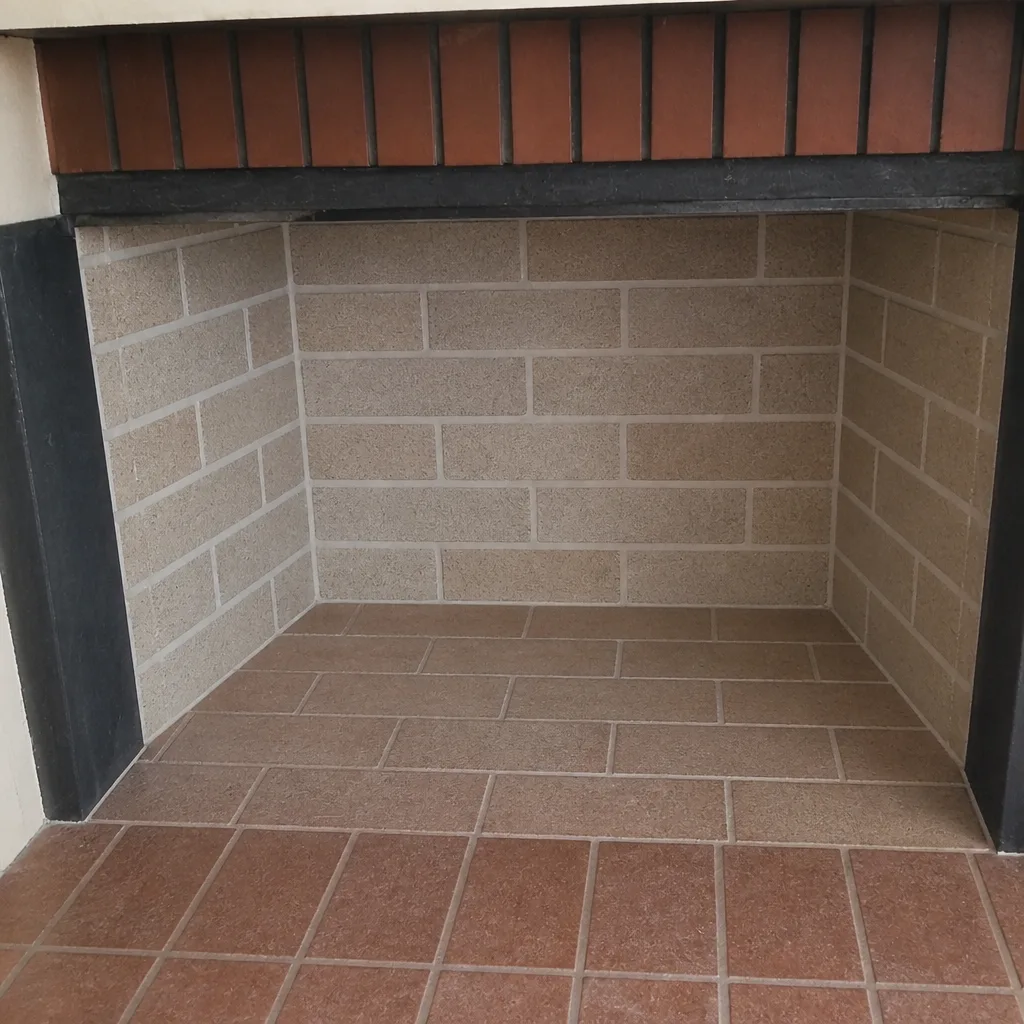
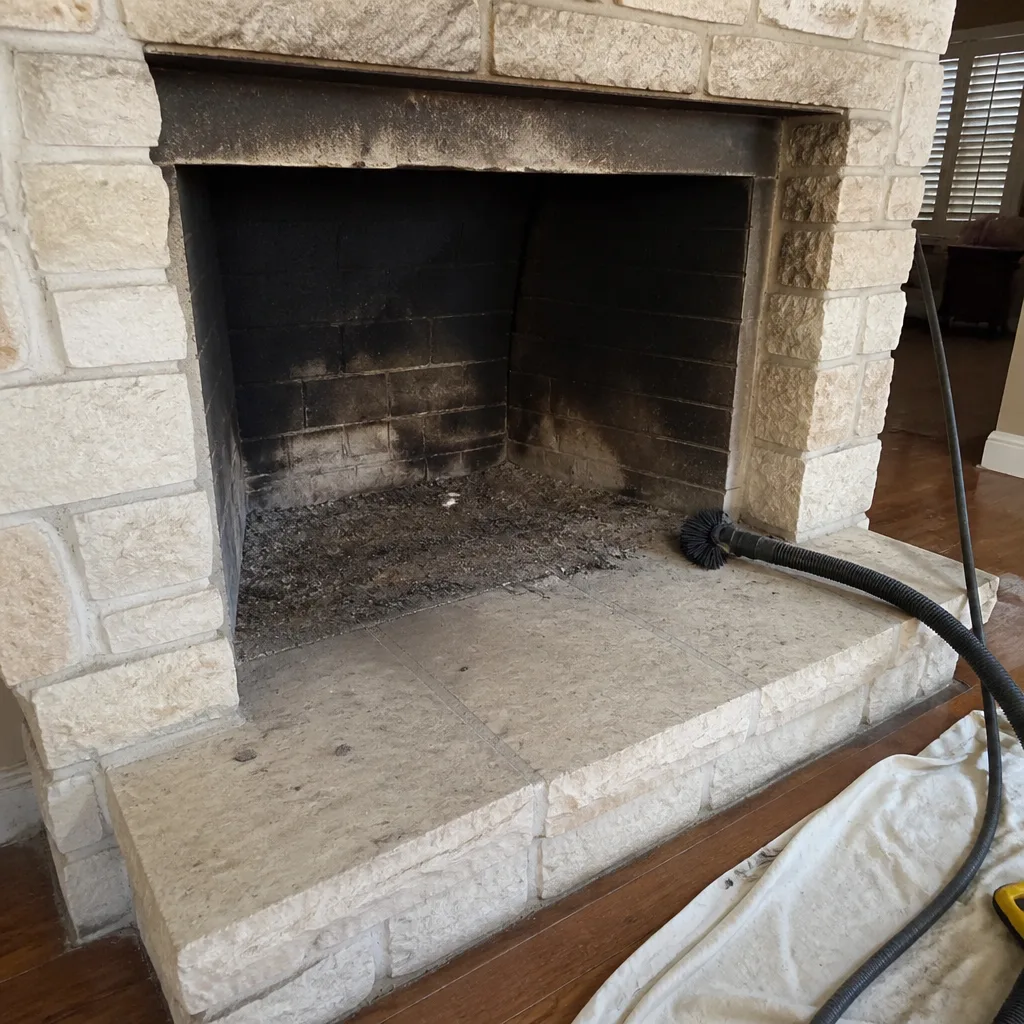
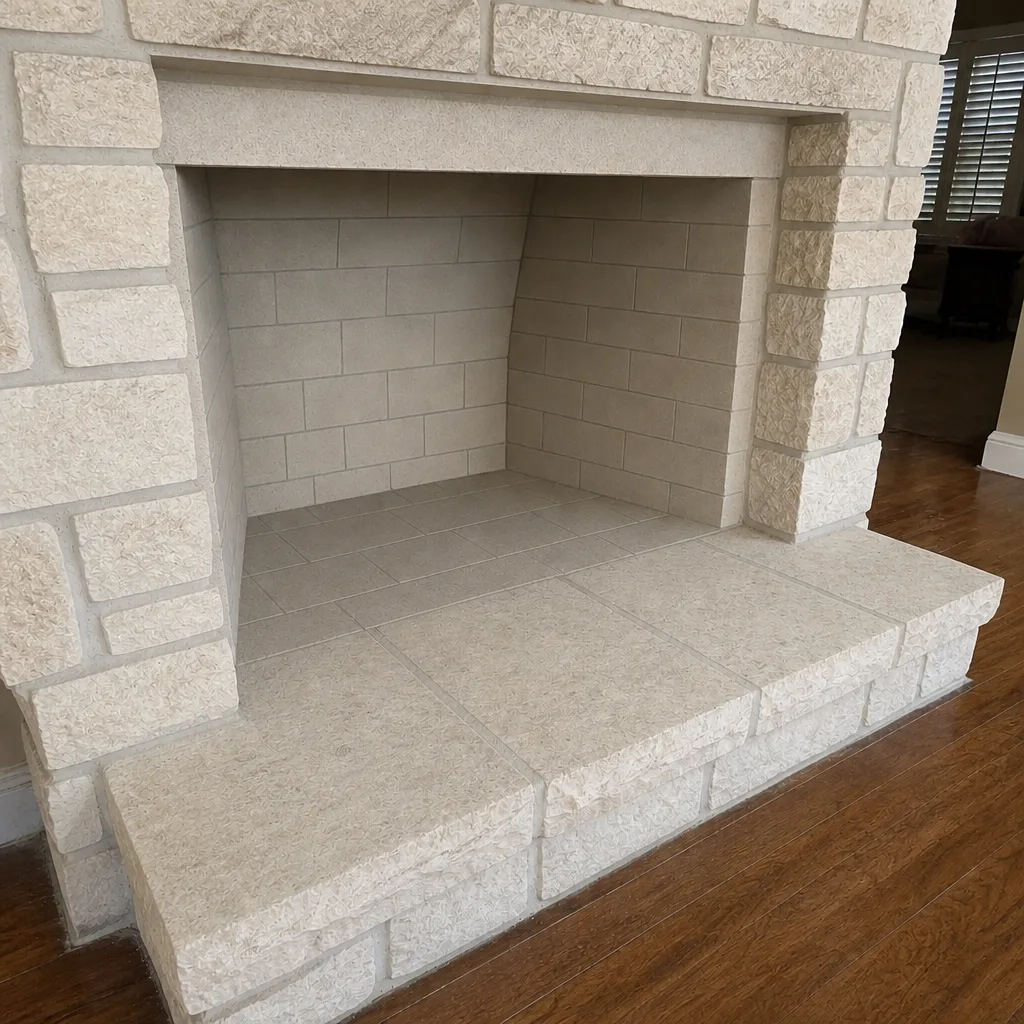
See the difference
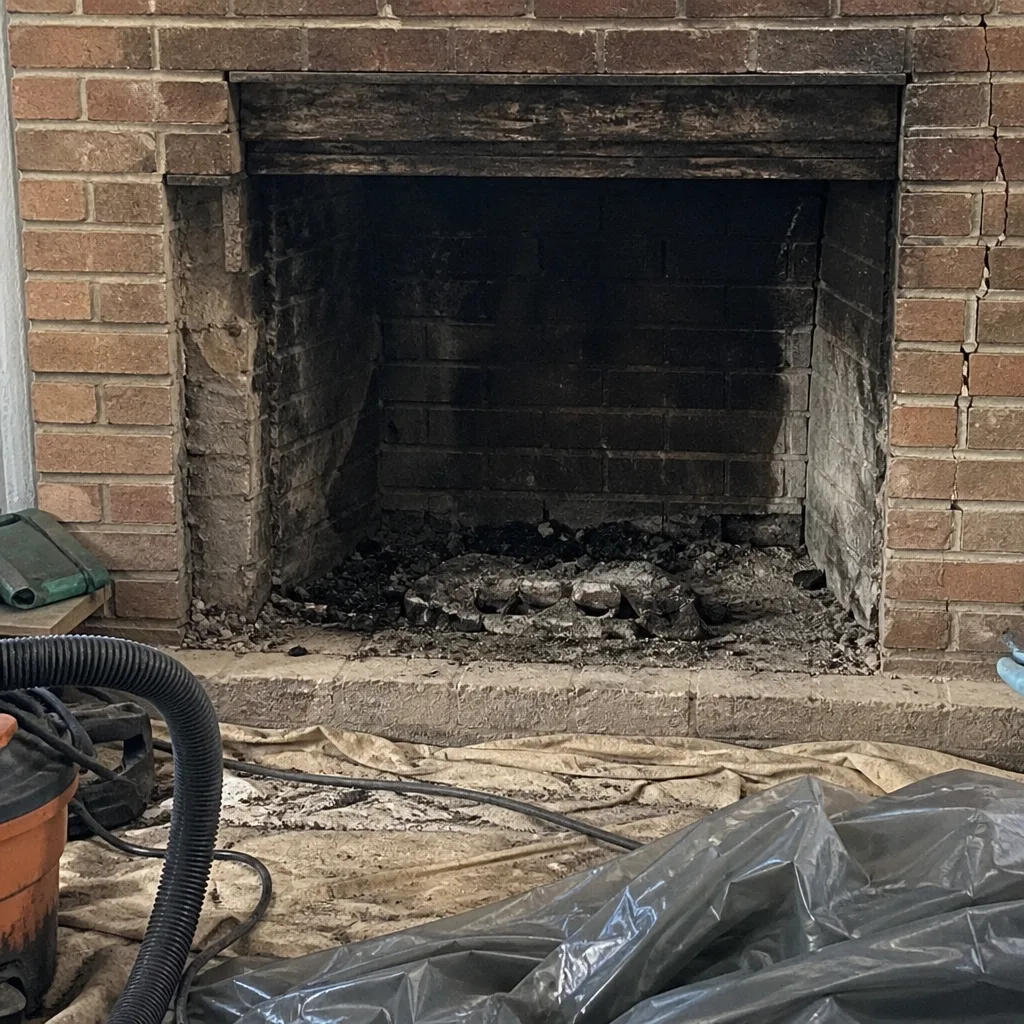 Before
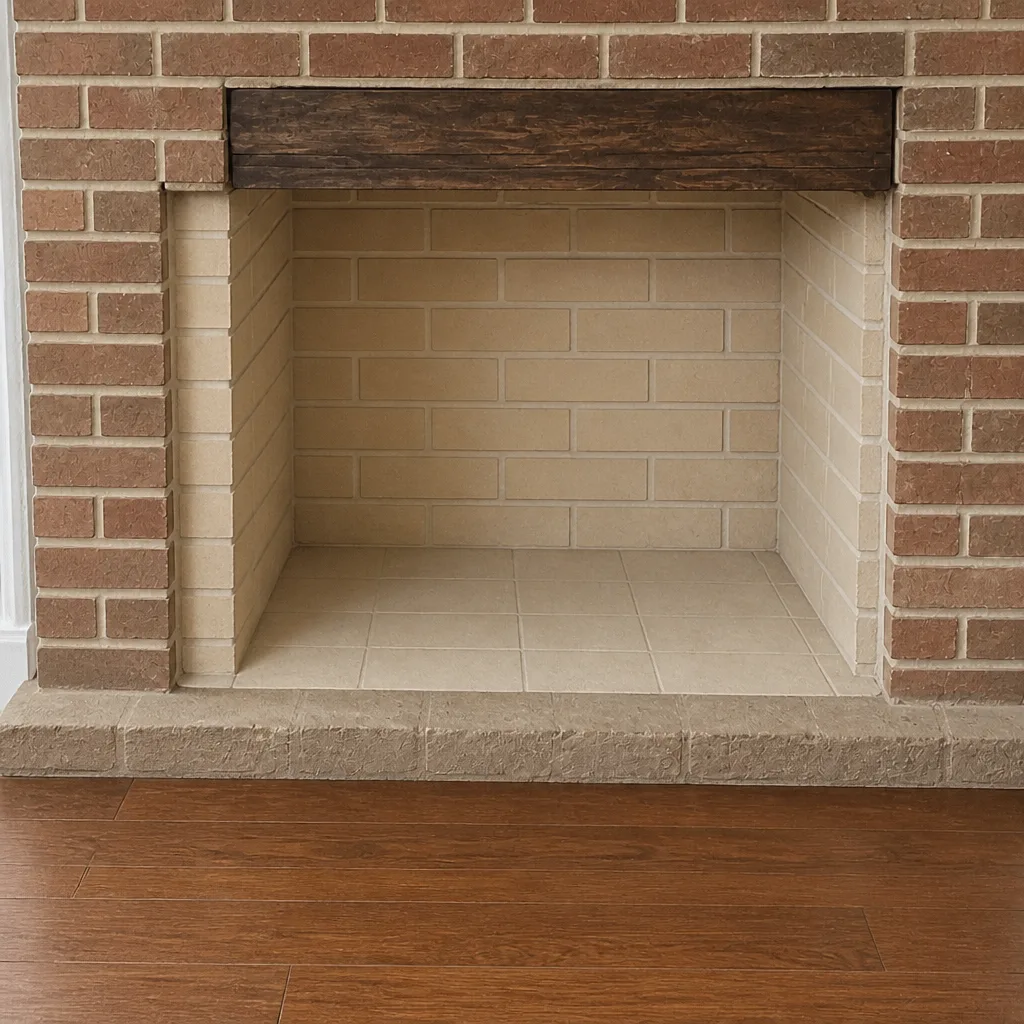 After
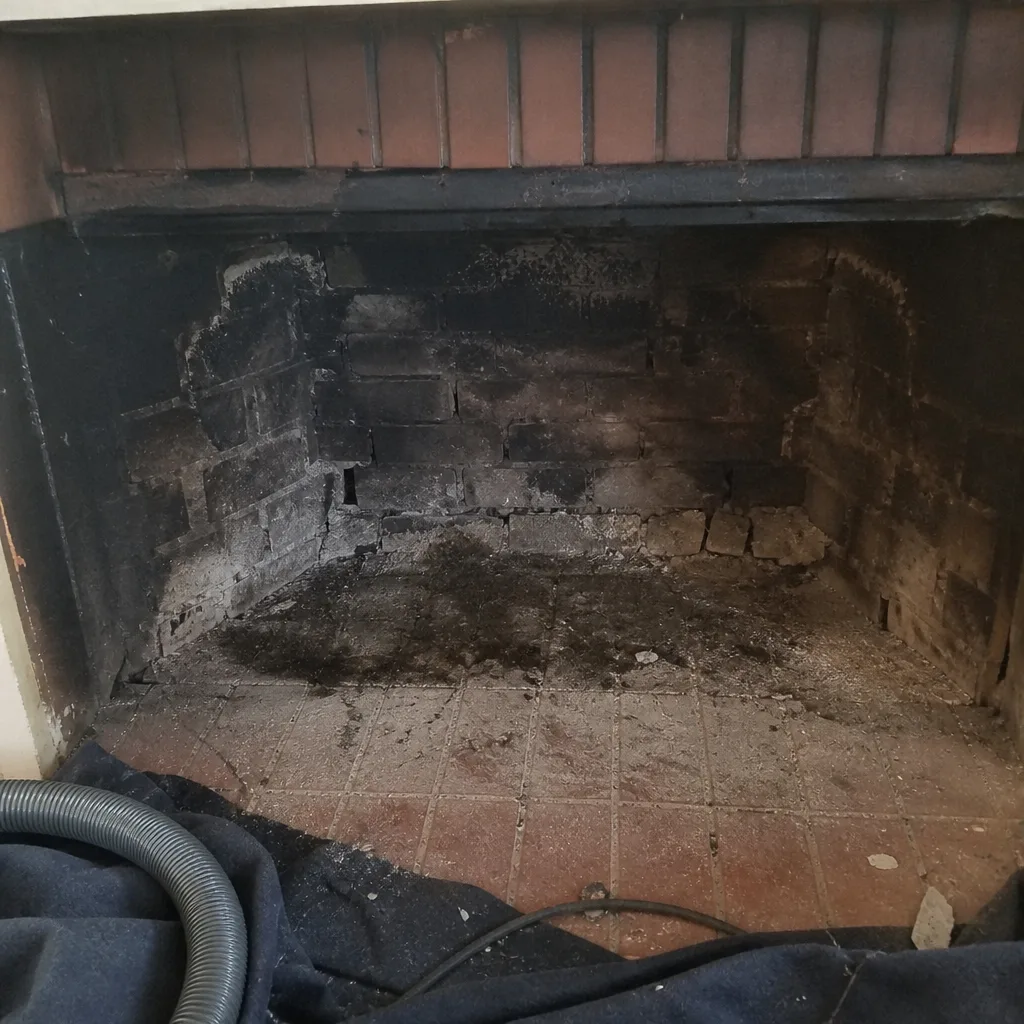 Before
 After
 Before
 After