
Last updated November 16, 2026
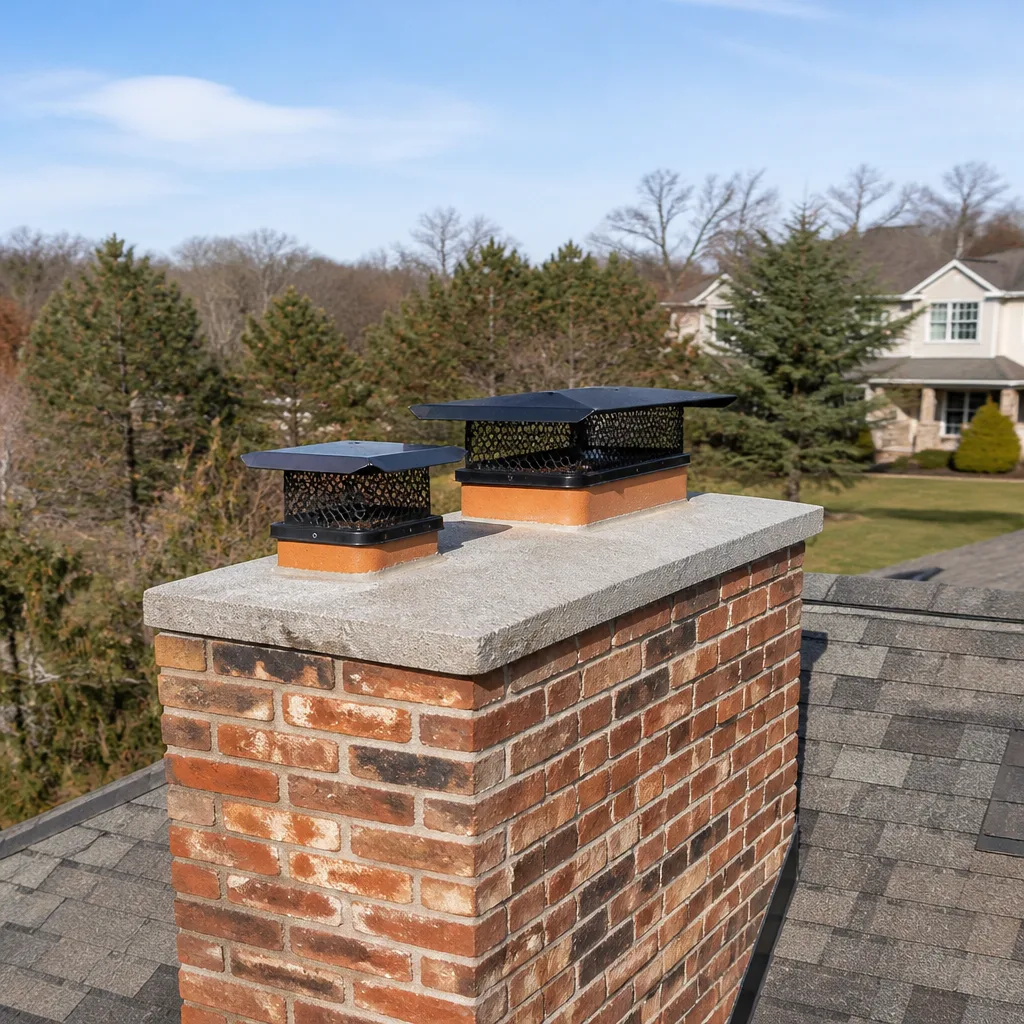 Sweep & inspection
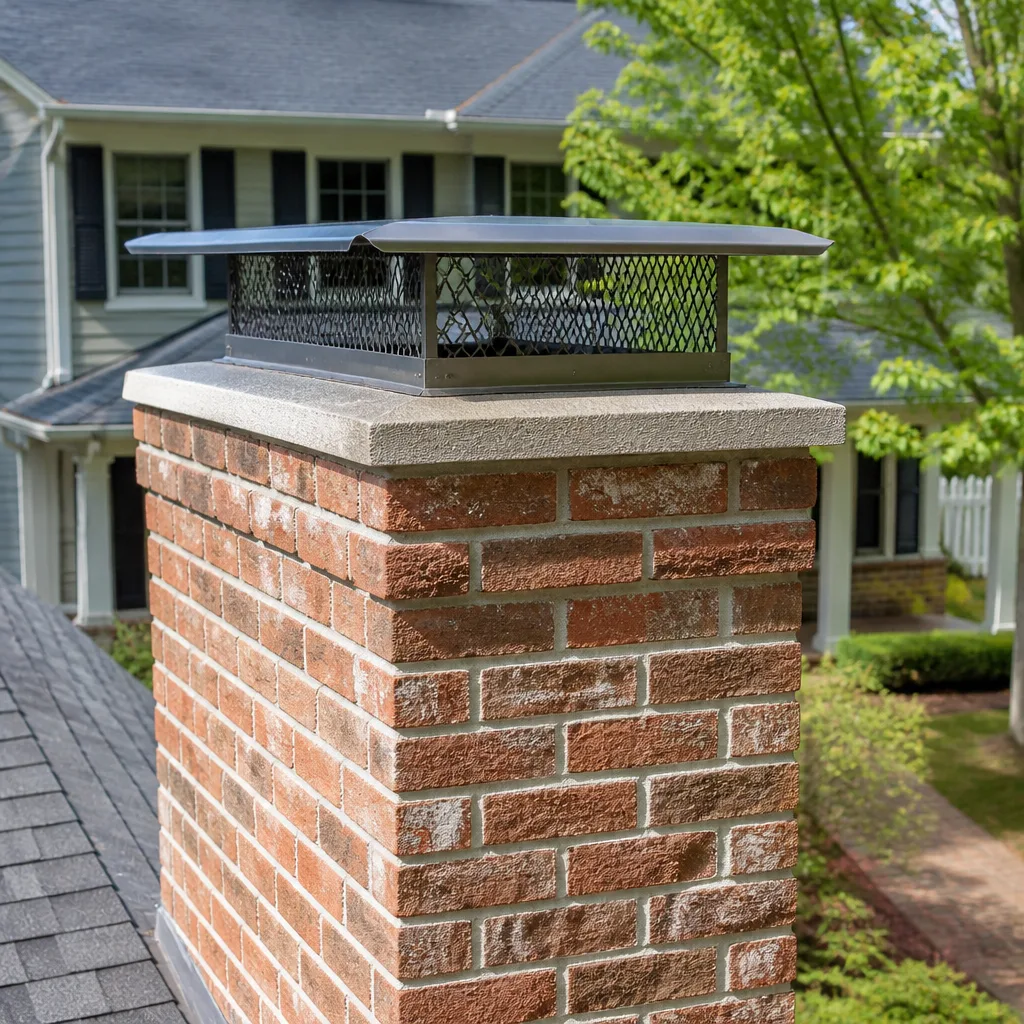 Caps & crowns
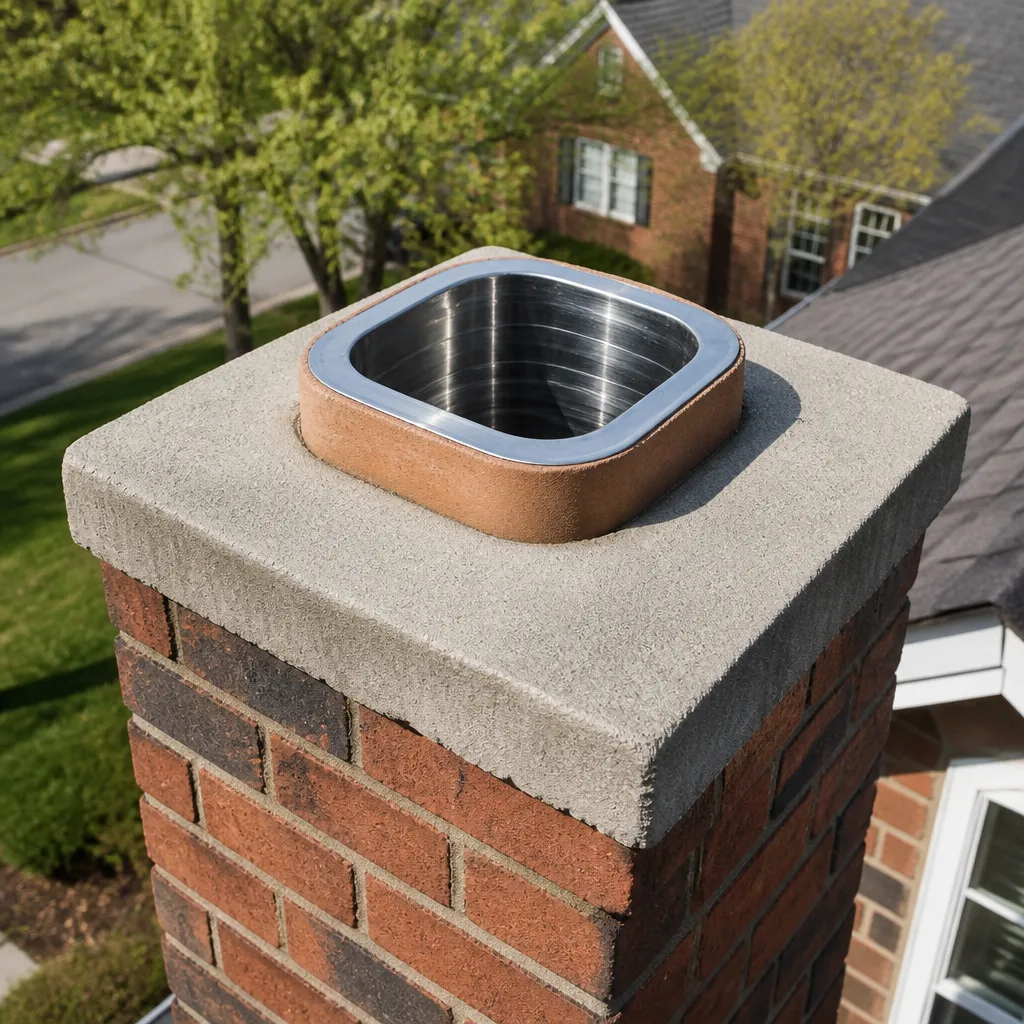 Flue relining
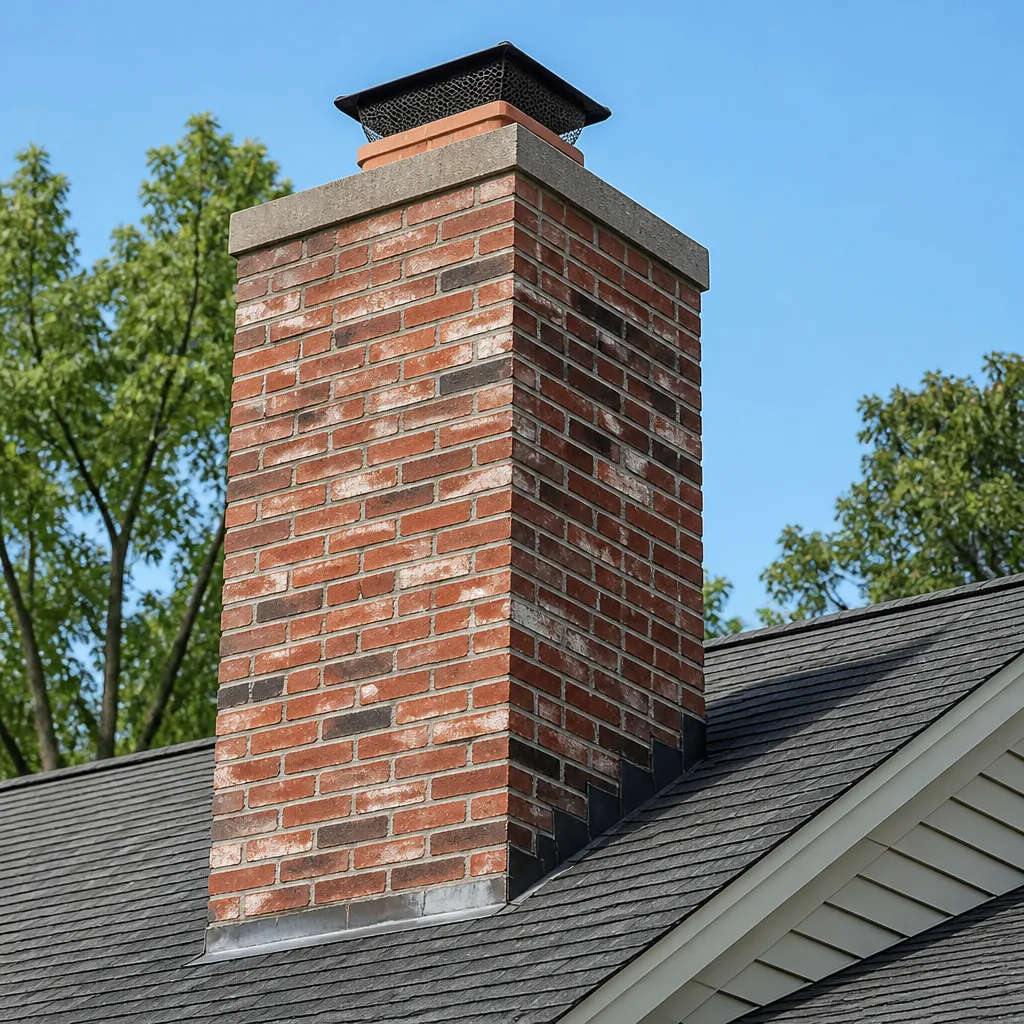 Masonry repair
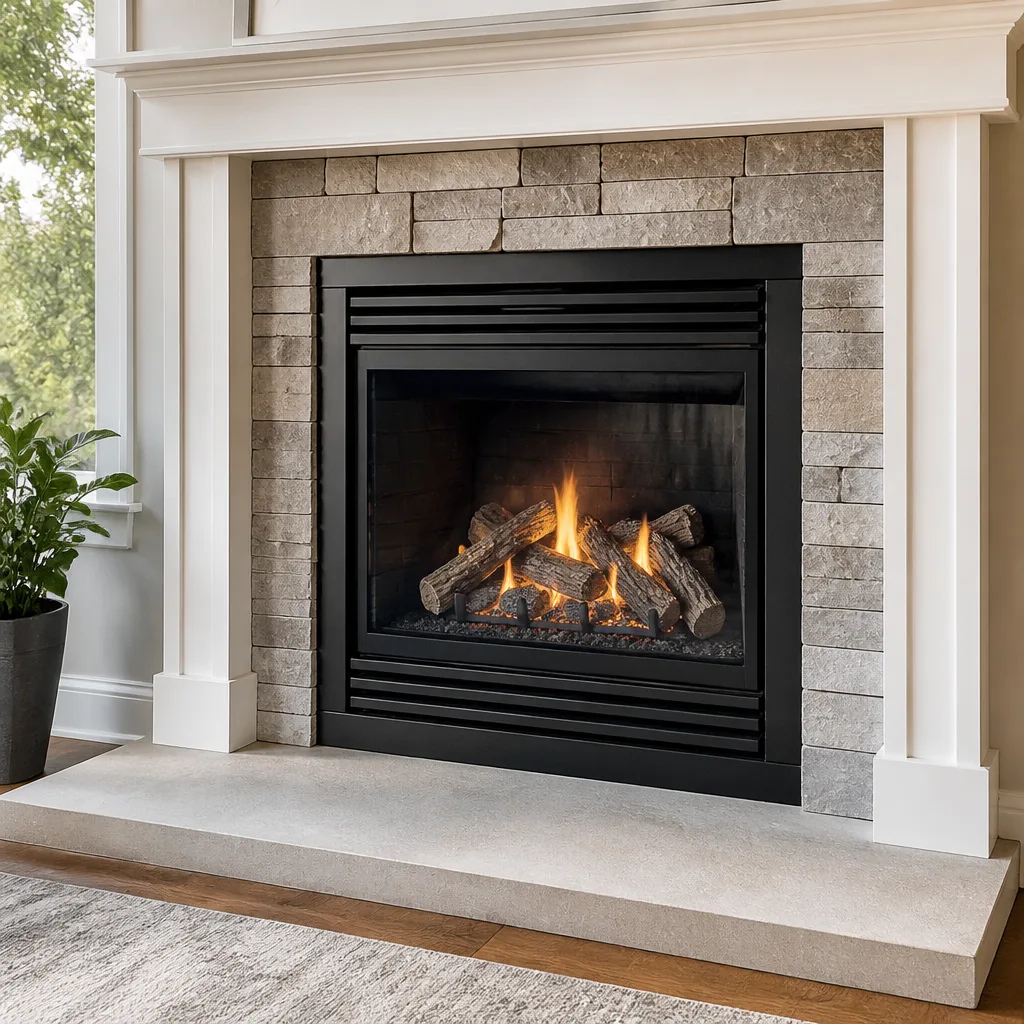 Gas fireplace service
Level 1 sweep and inspection to the NFPA 211 annual standard - flue, crown, cap, and flashing checked and photographed
Chimney sweep logs do not sweep chimneys. They loosen some creosote - which then falls where a brush and vacuum still have to collect it.
Seasonal Chimney Cleaning Care for Gilbert: Year-Round Homeowner’s Guide
Most chimney advice you’ll find online was written for a place with four real seasons, and it tells you to book a cleaning in the fall before you start burning. In Gilbert, that advice arrives too late. By the time October or November rolls around, your chimney has already been through a full summer of monsoon moisture, dust, and heat, and the two windows that matter most for a desert chimney have already closed. The work that protects a Gilbert flue happens in late spring and late summer, not the week before your first fire. This guide lays out a quarter-by-quarter care calendar built for our climate, explains what monsoon moisture does to mortar and liners, walks through the summer cap and crown inspection most homeowners skip, covers the pre-burn startup check, and gives gas fireplace owners their own seasonal plan.
Quick Answer
Gilbert homeowners should inspect the chimney in late spring before monsoon season and again in late summer or early fall before burn season, with a professional sweep and inspection once a year and after any significant storm damage. Wood-burning chimneys need cleaning when the flue builds up creosote, which for regular users in Gilbert often means an annual visit, while gas fireplaces need an annual inspection of the vent and components rather than a creosote sweep. The key is timing the work around our climate, not the national October reminder.
Styles & brands we work with
- Sweep & inspection
- Caps & crowns
- Flue relining
- Masonry repair
- Gas fireplace service
Table of Contents
- Why Gilbert’s Chimney Calendar Is Inverted
- How Monsoon Moisture Gets Into Your Chimney
- The Summer Cap and Crown Inspection Most Homeowners Skip
- The Pre-Burn Startup Check
- Seasonal Care for Gas Fireplaces
- Your Quarter-by-Quarter Gilbert Care Calendar
- Creosote, Soot, and What Builds Up Over a Burn Season
- What You Can Check Yourself and What Needs a Pro
Why Gilbert’s Chimney Calendar Is Inverted
Nationwide, the standard advice is simple: clean the chimney in the fall, before you start burning. That guidance assumes a cold climate where the fireplace rests through a wet, freezing winter and the biggest threat is a flue packed with last season’s creosote waiting to ignite. In Gilbert, the risk profile runs the other way. Your burn season is short and mild, so creosote accumulates slowly, but the off-season is brutal on the parts of the chimney you never see: the crown, the cap, the mortar joints, and the top of the flue.
Our summers do the damage. Months of intense heat, then the monsoon stretch of heavy rain and blowing dust, then more heat. A chimney that sits neglected from April to October is being worked on by the weather the entire time, and by the time you’re ready to light a fire, the problems are already set. In our experience, the calls that turn into real chimney repair jobs are usually the ones where a small crown crack or a loose cap went unnoticed through a full monsoon. The homeowners who catch those in June spend far less than the ones who find them in December.
So the calendar flips. Late spring is your pre-monsoon inspection. Late summer and early fall are your pre-burn sweep and check. Winter is for burning and paying attention. Early spring is for cleaning up after the season and assessing. That’s the rhythm that fits a Gilbert home, and it’s the one we build every recommendation around.
What “inverted” actually means for your schedule
- National norm: one fall sweep, ignore the chimney the rest of the year.
- Gilbert reality: a late-spring inspection before monsoon, a late-summer sweep and cap check before burn season, and attention to water intrusion in between.
- Why it matters: moisture and heat cause the structural damage here, while creosote buildup is the slower, steadier concern.
How Monsoon Moisture Gets Into Your Chimney
Water is the most destructive thing that reaches a chimney in Gilbert, and it doesn’t need a dramatic storm to do it. Monsoon rain arrives fast and often sideways, driven by wind, and it finds every weakness in the system. A chimney is essentially a vertical shaft open to the sky, and the components designed to keep water out are only as good as their condition.
Here’s the path moisture takes. Rain hits the crown, the concrete or masonry cap at the very top of the chimney. If the crown is cracked or pulling away from the flue, water seeps into the masonry below it. Rain also blows in around a missing or damaged cap, running down the inside of the flue. Once water is inside the masonry, it doesn’t just evaporate. Brick and mortar are porous. The moisture sits in the joints, and through the summer heat it expands and contracts, gradually loosening mortar and opening the very cracks that let in more water next time.
Inside the flue, moisture attacks the liner joints. A clay tile liner relies on tight joints; when water gets behind the tiles, it can wash out the mortar between them and, over a single season, leave gaps that let heat and gases escape into the surrounding structure. The damper assembly suffers too: a rusted, seized damper won’t seal, which wastes heat and lets conditioned air escape up the flue year-round.
What moisture does, in order of severity
- Mortar joints: soften, crack, and crumble, especially on the sunny side that bakes and cools daily.
- Liner joints: mortar between clay tiles erodes, opening pathways for heat and gases.
- Crown: small cracks widen and the crown can separate from the flue.
- Damper and metal components: rust and seize, so the damper no longer seals.
A chimney cap is the first line of defense against all of this. We install caps and dampers from Gelco and Copperfield because those components are built to fit the flue correctly and hold up to desert sun and monsoon rain, rather than improvised substitutes that fail within a season or two. A properly fitted cap keeps rain, birds, and debris out and lets smoke escape.
The Summer Cap and Crown Inspection Most Homeowners Skip
The single most overlooked chimney task in Gilbert happens in the middle of summer, when nobody’s thinking about fireplaces: checking the cap and crown before the monsoon rains arrive. This is the inspection that prevents the most expensive damage, and it’s the one almost everyone skips because there’s no fire burning to remind them.
The crown is the concrete or masonry surface at the top of the chimney that sheds water away from the flue. Over a few summers of intense heat and monsoon moisture, hairline cracks appear, and once water gets into them, the freeze-thaw cycling that plagues cold climates is replaced here by a different problem: repeated soaking and rapid drying. That cycle widens cracks and can eventually cause the crown to separate from the flue entirely. A failed crown lets water pour into the masonry below it all monsoon long, and repairing the resulting damage to the chimney structure costs far more than resealing or rebuilding a crown.
The cap sits above that, covering the flue opening. It keeps rain and animals out and includes a spark screen. A cap that’s rusted through, bent, or blown loose during a monsoon gust leaves the flue wide open. We’ve seen what a single season of an open flue does: rain down the liner, debris and nesting material inside, and a chimney that needs a full cleaning and inspection before it’s safe to use.
What a cap and crown check looks like
- From the ground: a visual look at the cap and crown with binoculars catches obvious cracks, rust, and missing caps.
- On the roof: a close inspection of the crown’s surface, the seal where it meets the flue, and the cap’s fasteners and screen.
- In the flue: checking for water staining on the liner, which tells you moisture has been getting in from above.
This is roof and height work, so it’s a job for a trained professional rather than a homeowner on a ladder. The right fix depends on what the inspection finds: resealing a sound crown with cracks, rebuilding a failing one, or replacing a damaged cap with a correctly sized Gelco or Copperfield cap. When we’re on a roof for this, we can usually tell within minutes whether the crown can be sealed or needs rebuilding, and we show photos either way.
The Pre-Burn Startup Check
The first fire of the season is the moment most chimney problems announce themselves, and the worst time to discover one is with a flue full of smoke and a house full of family. Before you conclude your chimney is ready to burn after a long Arizona off-season, run a deliberate startup check. It takes a little time and it catches the things that built up while the fireplace sat idle through the heat and monsoon.
Start with the firebox and flue. Look up the flue with a light and mirror, or better, have it inspected with a camera. Look for moisture staining, debris from nesting birds or blown-in material, and cracked or missing liner tiles. Then operate the damper: it should open and close freely. A damper that’s rusted shut or won’t seal is a sign moisture got to it. Check the firebox for loose or cracked bricks and crumbling mortar. Confirm the cap is intact and the screen clear.
The pre-burn startup checklist
- Look up the flue for debris, water staining, or damaged liner tiles.
- Work the damper and confirm it opens fully and closes to seal.
- Inspect the firebox for cracked bricks and loose mortar.
- Check the cap and screen from the ground or have them checked on the roof.
- Test the draw with a small fire before loading the firebox.
If anything on that list looks wrong, don’t conclude the system is safe and light the fire anyway. Call for a professional inspection. A camera inspection lets us see the whole flue, and a photo report lets you see exactly what we see. That’s the “we diagnose before we quote” approach, and it means you’re never told you need work you can’t verify.
Seasonal Care for Gas Fireplaces
Gas fireplaces need a different seasonal plan than wood-burning ones, and lumping them together is a common mistake. A gas unit doesn’t produce creosote, so it doesn’t need a creosote sweep. What it does need is an annual inspection of the vent and the components you can’t see: the burner, the ignition, the logs, and the flue or venting that carries exhaust outside. In a Gilbert climate, a gas fireplace that sits off through the hot months can develop debris in the vent, and a blocked or compromised vent means exhaust and carbon monoxide have nowhere safe to go.
Seasonal care for gas follows the same inverted logic. In late spring, before monsoon, have the vent termination checked on the outside; it’s a common spot for bird nests and debris. Through the summer, keep the fireplace area clean and watch for any moisture around the vent. In late summer or early fall, before you start using it, schedule the annual inspection so a technician can confirm the burner, the venting, and the safety components are working correctly. If your gas fireplace uses a direct vent, the intake and exhaust need to be clear of obstructions.
One thing to know: carbon monoxide is a real risk with any gas appliance, and a properly functioning vent is what keeps it out of your home. A carbon monoxide alarm on each level is the backstop, but it doesn’t replace an annual inspection. If you ever smell gas, leave and call your gas provider first. For the annual inspection and anything the technician finds, our chimney sweep and inspection service covers gas units too, and we’ll tell you plainly when a component can safely wait versus when it needs attention now. The flue is a life-safety system whether it carries wood smoke or gas exhaust.
Your Quarter-by-Quarter Gilbert Care Calendar
Here’s the calendar that fits Gilbert’s climate, broken into the four windows that matter. Each window has a specific purpose tied to what the weather is doing to your chimney at that time of year.
Late spring (April – May): the pre-monsoon inspection
Before the summer heat and monsoon rains arrive, inspect the whole system. This is the window to catch a cracked crown, a damaged cap, loose mortar, or water staining from the previous season while there’s still time to fix it before the rains start. A professional inspection here is the single most valuable appointment on the calendar. If a repair is needed, whether it’s a HeatShield resurfacing of a deteriorating liner or a new cap, it gets done before the monsoon tests it.
Summer (June – September): monitor and protect
During the monsoon stretch, keep an eye on the cap and crown from the ground, and watch for water stains around the firebox or on the ceiling near the chimney. Nests and debris can land on or in the cap. If a storm blows off a cap or opens a crack, get it seen promptly. This is also when gas fireplace vents should already be clear from the spring check.
Late summer to early fall (September – October): the pre-burn sweep
Now, before burn season starts, have the chimney swept and inspected. This is the traditional fall sweep, just timed to your actual burn season, which starts later here than in cold climates. The sweep clears creosote, soot, and any debris that got in over the summer, and the inspection confirms the monsoon didn’t compromise anything. This is the appointment that tells you your system is ready to light.
Winter and early spring (November – March): burn and assess
This is your burn season. Pay attention to how the fire draws, whether smoke backs into the room, and whether the damper works. When the season ends, note anything that seemed off and book the pre-monsoon inspection to address it. Regular burners should plan on an annual sweep around this transition, timed so the work is done before the next monsoon.
Creosote, Soot, and What Builds Up Over a Burn Season
Creosote is the residue of incomplete combustion, and it’s the main reason wood-burning chimneys need cleaning. It forms as vapors from the fire condense on the cooler surfaces of the flue. A little is normal; too much is a fire hazard because creosote is highly flammable. The buildup depends on how hot your fires burn, how dry your wood is, and how often you burn. A Gilbert burn season is short, so accumulation is slower than in cold climates, but it still happens, and it’s why an annual sweep is the baseline for regular users.
Burning properly reduces creosote formation. Seasoned, dry wood and a hot, well-aerated fire leave far less residue than smoldering green wood. But you can’t see how much has built up inside the flue, which is why the annual sweep matters. A professional sweep clears it safely, and a camera inspection, included with our service, shows you the condition of the liner and where the residue has collected.
If the flue liner is cracked or deteriorating, sweeping alone won’t fix it, and that’s where full relining comes in. We use DuraFlex flexible liner systems for relining, which lets us restore a compromised flue rather than leaving it. And for a liner that’s deteriorating but still structurally sound, HeatShield resurfacing rebuilds the inside of the flue back to a smooth, sealed surface. Most sweep-only services can’t do either, which is why Chimney Sweep Gilbert handles the inspection, the cleaning, and the repair in one place. Trade-grade materials from suppliers like DuraFlex and HeatShield, not hardware-store substitutes, are what make a relining or resurfacing job hold up over time.
What You Can Check Yourself and What Needs a Pro
There’s a line between what’s sensible for a homeowner to check and what belongs with a trained professional, and it mostly comes down to height, heat, and the parts of the system you can’t safely reach. Knowing the difference keeps you safe and saves you money.
What you can reasonably check: whether the damper opens and closes, whether smoke draws up the flue or backs into the room, whether there’s any visible water staining near the firebox, and whether the cap looks intact from the ground. What you should not do: climb the roof to inspect the crown and cap, reach into the flue to remove creosote or debris, or attempt a liner repair. High-tension and ladder work belong with a professional. The flue is a life-safety system, and a fall from a roof is its own hazard.
When it’s time to call Chimney Sweep Gilbert
Call us for the annual sweep and inspection, for any repair, for a pre-burn check before you light the first fire, and for a pre-monsoon cap and crown inspection. We also handle inspections for real-estate transactions when a home is being sold and a report is required. Because we sweep, repair, and inspect, you get one accountable contractor from the first inspection through the finished repair, with no handoffs. We diagnose before we quote, and the camera inspection and photo report come with the service so you can see the evidence for yourself. Chimney Sweep Gilbert offers free estimates in Gilbert. Call (866) 942-9144. We answer 24/7. Fast dispatch from 7am to 7pm, Sunday through Friday.
Common Mistakes to Avoid
- Waiting for October. Booking the cleaning when the national reminder comes means you’ve already missed the pre-monsoon inspection and the window to fix storm damage before burn season. In Gilbert, shift it earlier.
- Skipping the cap and crown check. This is the summer task most homeowners forget, and a failed crown lets water pour into the masonry all monsoon. Check it before the rains, not after.
- Assuming a gas fireplace needs no care. Gas units need an annual vent and component inspection even though they don’t need a creosote sweep. A blocked vent is a carbon monoxide risk.
- Lighting the first fire without a pre-burn check. A flue that sat idle through the heat and rain can hide debris, water damage, or a seized damper. Check before you burn, not after smoke fills the room.
- Burning wet or green wood. Damp wood smolders and leaves far more creosote than seasoned wood. Dry wood burns hotter and cleaner.
- Letting a cracked crown go. A small crack that gets sealed is a modest repair. A crown that fails and lets water in for a season turns into masonry damage that costs far more.
- Going straight to a liner replacement without evidence. Some sweep-only services can’t inspect or repair, and some sell a liner the flue may not need. Always ask to see the camera evidence before agreeing to relining.
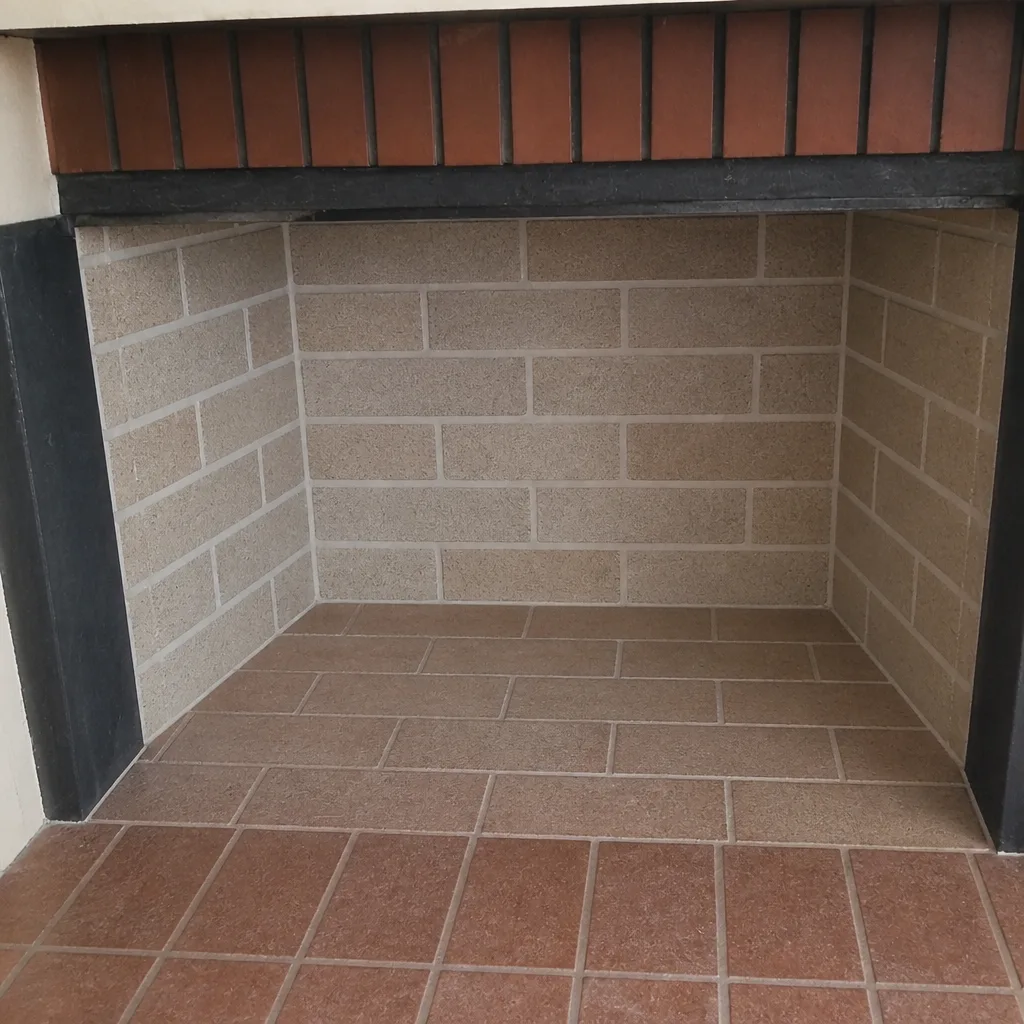
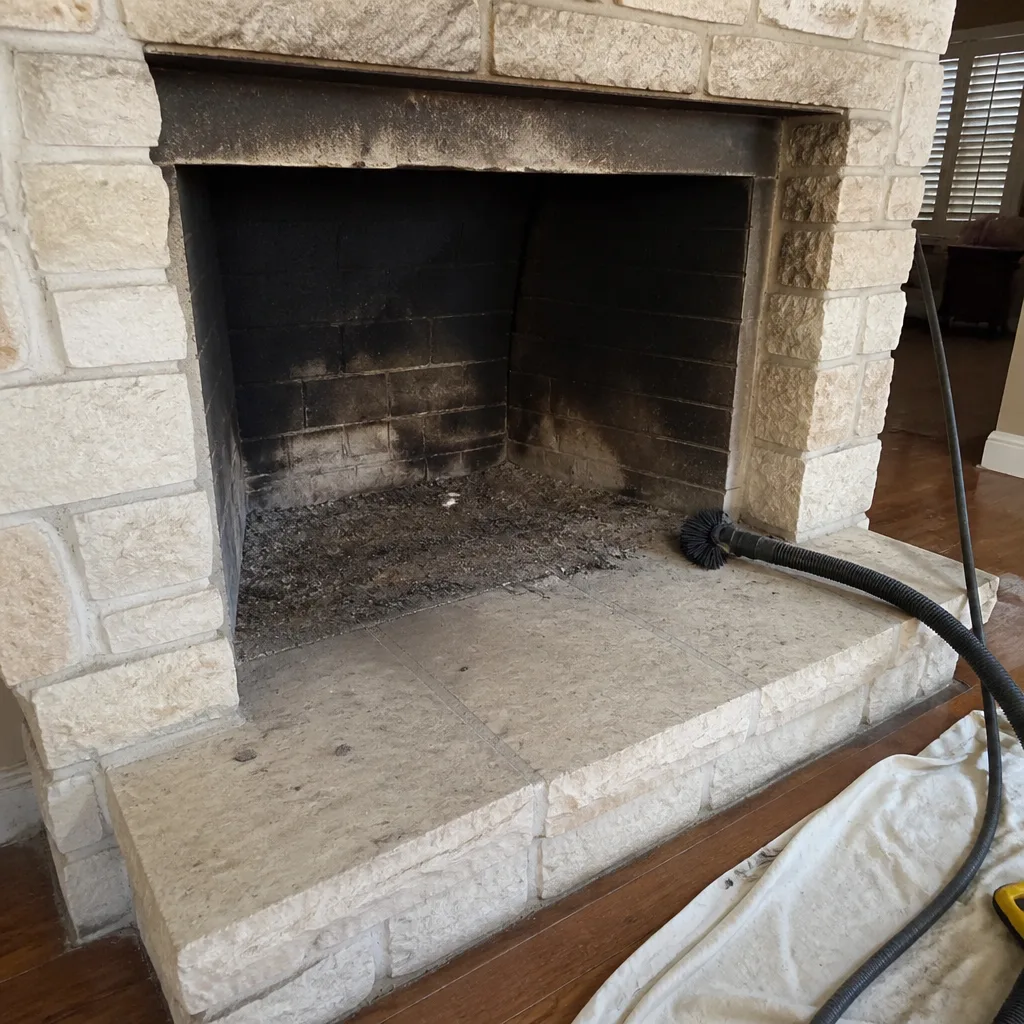
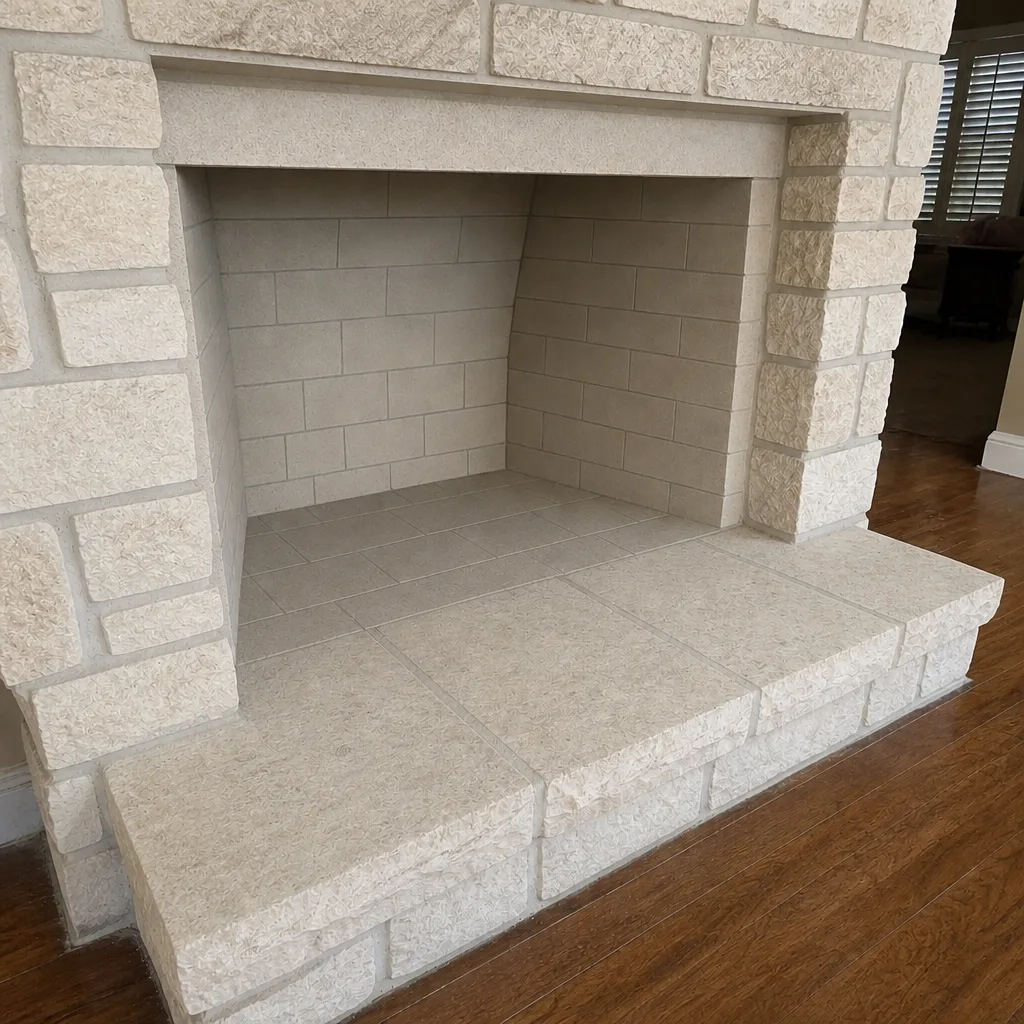
See the difference
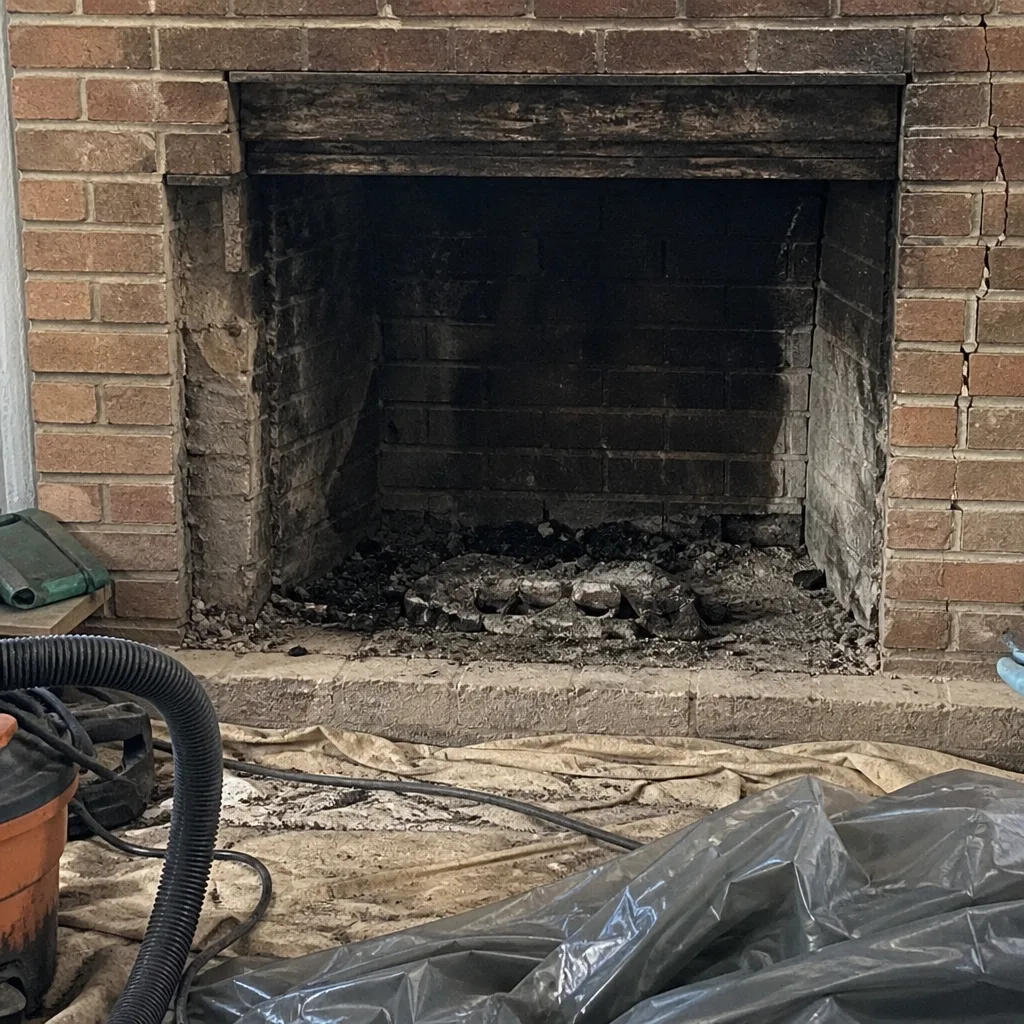 Before
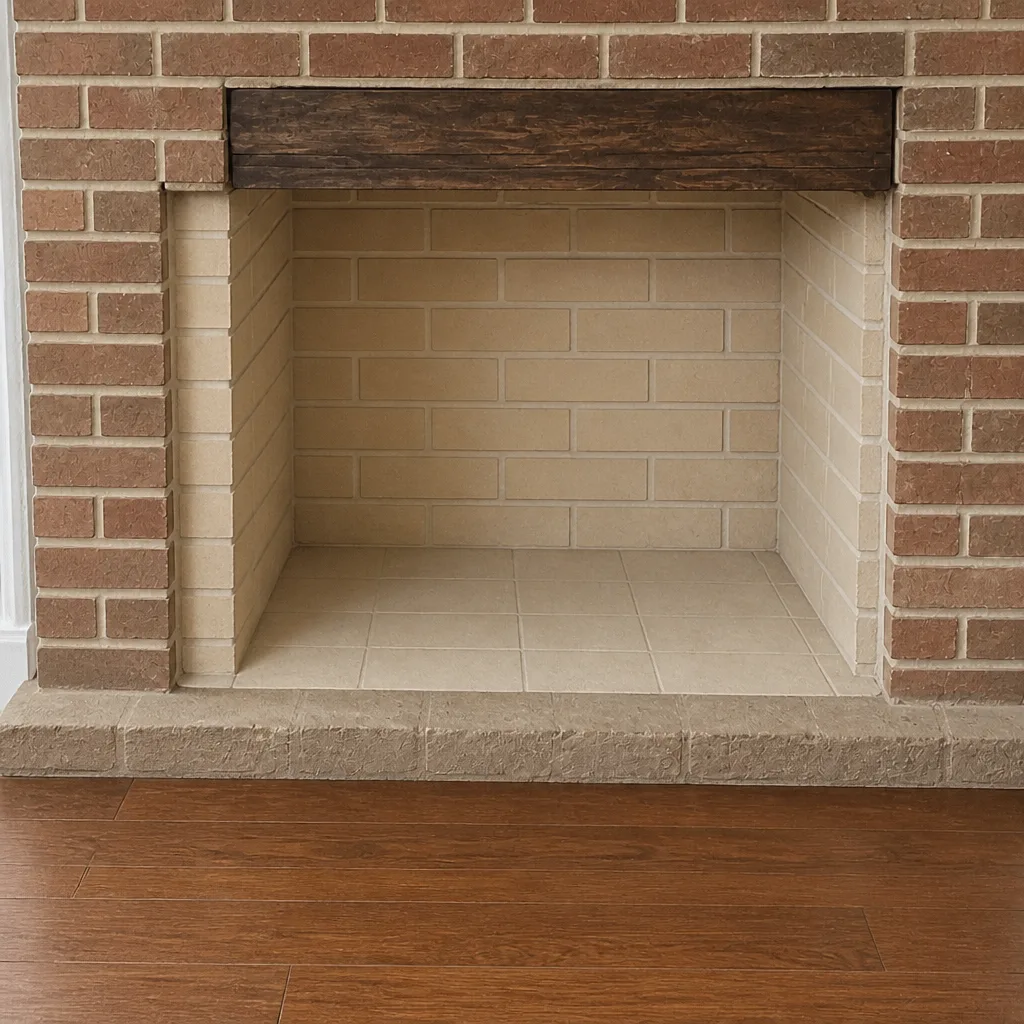 After
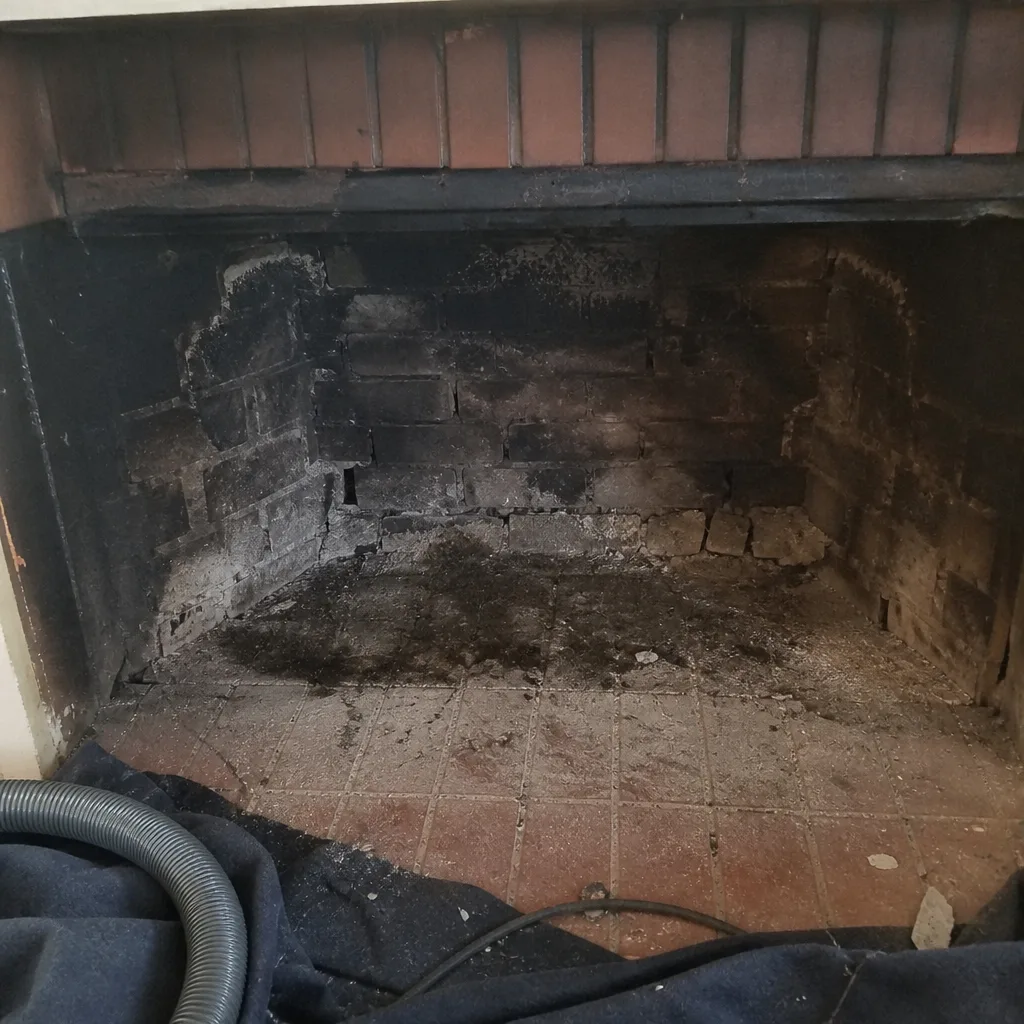 Before
 After
 Before
 After
When to Call a Professional
Call a professional at these moments: when it’s time for the annual sweep and inspection, when you spot a cracked crown or a damaged cap before monsoon, when you’re readying the first fire of the season and aren’t certain the flue is clear, when a gas fireplace hasn’t been inspected in a year, and whenever you notice smoke backing into the room, water stains near the firebox, or a damper that won’t work. Roof-height cap and crown checks and any liner work belong with a trained professional, never a homeowner on a ladder. If a home is being sold and a chimney inspection report is required, that’s a professional’s job too. Chimney Sweep Gilbert offers free estimates in Gilbert. Call (866) 942-9144. We answer 24/7. Fast dispatch from 7am to 7pm, Sunday through Friday.
Frequently Asked Questions
For a regularly used wood-burning fireplace, once a year is the standard, timed before burn season. Because Gilbert’s burn season is short, buildup is slower than in cold climates, but an annual sweep with a camera inspection is still the baseline for catching creosote and liner wear. Call (866) 942-9144 for an exact quote. Estimates are free.
Late summer to early fall, before burn season, is the best time for the annual sweep, and late spring is the best time for a pre-monsoon cap and crown inspection. That inverted schedule fits our climate better than the national October reminder. Call (866) 942-9144 to book around those windows. Estimates are free.
Yes. A gas fireplace doesn’t need a creosote sweep, but it does need an annual inspection of the vent, burner, and safety components, because a blocked or compromised vent can send exhaust and carbon monoxide into the home. Schedule it before you start using the fireplace in the fall. Call (866) 942-9144 with questions. Estimates are free.
Not always, and you shouldn’t agree to one without seeing the evidence. A camera inspection shows the condition of the liner, and a sound liner can often be resurfaced with HeatShield rather than replaced. When a full relining is needed, DuraFlex systems restore the flue, but it should follow diagnosis, not precede it. Call (866) 942-9144. We diagnose before we quote, and estimates are free.
Skipping a year mostly means small problems get a full season to grow. Creosote accumulates, and a cracked crown or loose cap lets monsoon moisture into the masonry, turning a seal-and-repair into a rebuild. The risk isn’t sudden; it’s the slow kind that costs more the longer it waits. Call (866) 942-9144 before burn season to check the system. Estimates are free.
You can check the damper and watch how the fire draws, and you can look at the cap from the ground, but roof-height crown checks and any flue work belong with a trained professional. The flue is a life-safety system, and ladder and roof work carry real risk. Call (866) 942-9144 for an inspection. Estimates are free.
The Bottom Line
Gilbert’s chimney calendar runs opposite to the national one. The work that protects your home happens in late spring, before monsoon, and late summer, before burn season, not in the fall after both windows have passed. That means a pre-monsoon cap and crown check, a pre-burn sweep and inspection, a gas fireplace inspection timed for its own needs, and attention to creosote and anything the summer left behind. Fix the small things, like a cracked crown or a loose cap, before they become the expensive ones. Our technicians have up to 14 years of experience, and we handle sweep, repair, and inspection as one company, with camera evidence you can see. Call (866) 942-9144 for a free estimate. We answer 24/7. Fast dispatch from 7am to 7pm, Sunday through Friday.
Written by the team at Chimney Sweep Gilbert.