
Last updated November 16, 2026
 Sweep & inspection
 Caps & crowns
 Flue relining
 Masonry repair
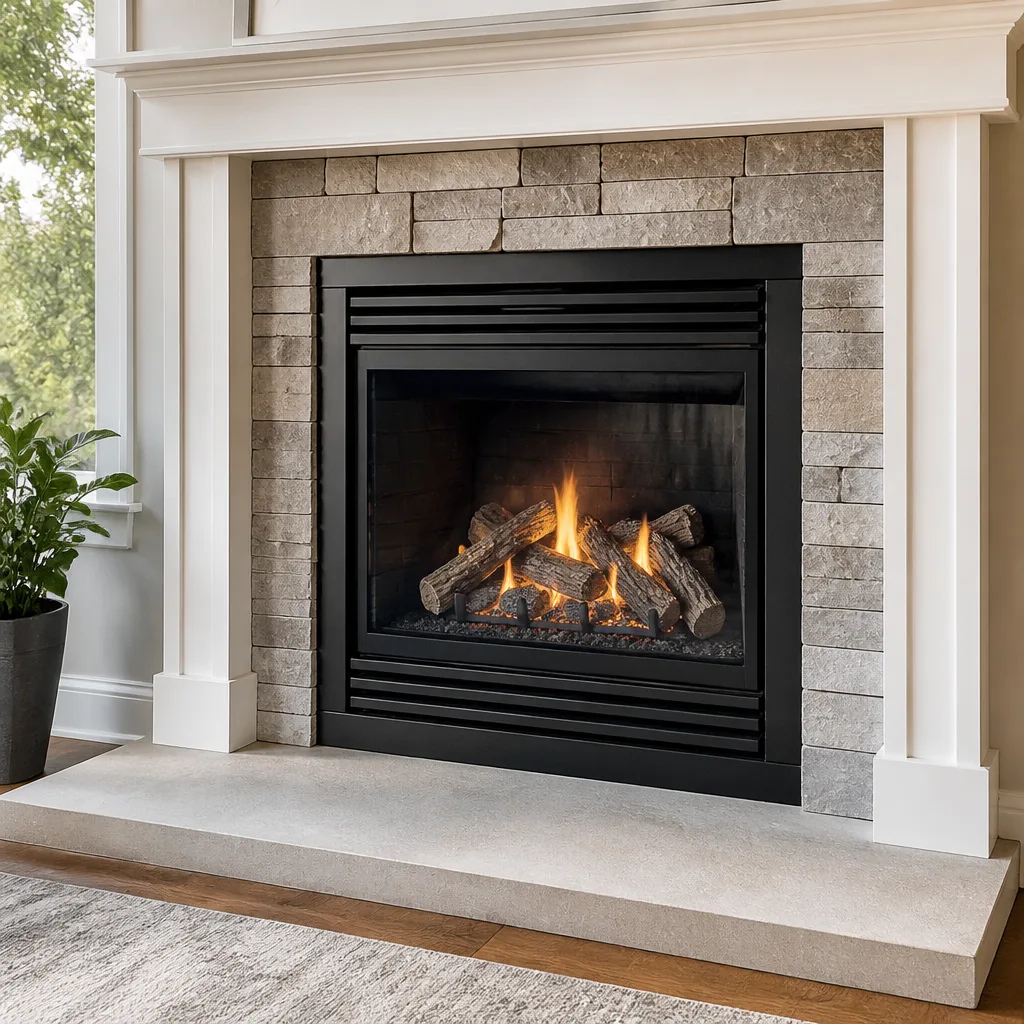 Gas fireplace service
Level 1 sweep and inspection to the NFPA 211 annual standard - flue, crown, cap, and flashing checked and photographed
Chimney sweep logs do not sweep chimneys. They loosen some creosote - which then falls where a brush and vacuum still have to collect it.
Chimney Cleaning Warning Signs: A Gilbert Homeowner’s Reference Guide
A strong smoke smell in your Gilbert home on a windy day isn’t always a dirty chimney. Sometimes it’s a pressure differential problem that cleaning won’t fix, and misdiagnosing it wastes money while leaving the real hazard in place. The same goes for the white wisp you see at the cleanout, the musty odor in the living room, or the stain spreading on the chimney chase outside. Most chimney warning signs show up long before a sweep ever climbs on the roof, and the hard part isn’t spotting them. It’s reading them accurately instead of panicking at normal behavior or shrugging off genuine danger. This guide walks you through what to look for, what each sign usually means, and what to do about it.
Quick Answer
Chimney warning signs in Gilbert fall into two groups: signs that mean stop using the fireplace now (white or gray smoke from the chimney, a strong creosote or burning odor inside the house, visible flame at the cleanout door), and signs that mean schedule service before the next burn season (a heavy creosote smell, a stiff or stuck damper, spalling on the crown, or water staining). If you can’t tell which group your sign belongs to, treat it as urgent and get it inspected. A dirty chimney is a maintenance issue; a blocked or cracked flue is a safety issue.
Styles & brands we work with
- Sweep & inspection
- Caps & crowns
- Flue relining
- Masonry repair
- Gas fireplace service
Table of Contents
- Quick Answer
- Smell Signs: Creosote, Animals, or Moisture?
- Signs You Should Stop Using the Fireplace Immediately
- Damper Warning Signs Gilbert Homeowners Often Miss
- Exterior Warning Signs: Crown, Chase, and Staining
- Smoke Behavior That Points to a Pressure Problem
- The Decision Tree: Sign, Cause, Response
- Why a Camera Inspection Beats a Guess
Smell Signs: Creosote, Animals, or Moisture?
Not all chimney odors are the same, and each one points to a different problem. Learning to tell them apart is the single most useful skill a Gilbert homeowner can develop, because it tells you whether you’re looking at routine maintenance or something structural.
Creosote odor is acrid and sharp, a bit like a campfire that’s gone out but not cold. It’s strongest on warm days when the chimney isn’t drawing, or when the wind blows down the flue. It means creosote has built up on the flue walls and needs to come off. That’s a chimney sweep job, and it’s typically booked before burn season rather than treated as an emergency.
Animal intrusion odor is musky or ammonia-like, and it often comes with scratching or fluttering sounds, especially at dawn. Birds, squirrels, or raccoons get in through a missing or rusted-out cap. The fix usually means removing the animal, cleaning out the nesting material, and installing a proper cap. A rotted or missing cap is one of the most common things we find on older homes in Gilbert, and it’s easy to check from the ground.
Moisture-mold odor is musty and earthy, like a damp basement. It signals water getting into the chase or flue and staying there. In a desert climate, that’s almost always a failed crown, a cracked chase, or a missing rain cap letting monsoon rain in. Mold inside the firebox is a real sign of water intrusion, not just humidity. It also matters for structural integrity, since repeated wetting weakens masonry.
If the smell is a mix, or you can’t pin it down, that’s a reason to call rather than wait. Our technicians have up to 14 years of experience sorting out exactly these ambiguities, and a quick inspection settles it faster than guesswork.
Signs You Should Stop Using the Fireplace Immediately
Some warning signs mean light no more fires until the chimney has been inspected and cleared. These are the ones to take seriously without hesitation.
- Visible flame at the cleanout door. If you open the cleanout and see fire or glowing embers, a creosote fire is burning in the flue or smoke chamber. Close the cleanout door, get everyone out of the house if there’s any sign of fire in the structure, and call for help.
- Dense white or gray smoke from the chimney top. A brief puff of smoke when you first light a fire is normal. Continuous thick white or gray smoke that keeps up after the fire is well-established is a sign of poor combustion or a blockage, and it needs eyes on it before you burn again.
- A strong, persistent creosote or burning smell inside the house. If the smell doesn’t clear once the fire is going and the flue should be drawing, you may have a partially blocked flue pushing smoke back inside.
- Any soot falling from the firebox or smoke stain appearing on the ceiling or mantel. These point to backdrafting or a compromised flue, not just a messy fire.
If you see any of these, stop using the fireplace and get it inspected. Our chimney repair side of the business exists because these situations are real, and most of them are solved faster than homeowners fear. Just don’t try to burn through the problem.
A quiet check from outside can confirm which group a sign belongs in without ever climbing on the roof. If you can’t tell, treat it as urgent.
Damper Warning Signs Gilbert Homeowners Often Miss
Chimneys in Gilbert don’t get used year-round. The damper sits closed for long stretches through the hot months, then gets opened for a few months of evening fires. That idle time hides damper problems until the first cold night, which is exactly when you don’t want to discover one.
Here’s what to look for. Run through this list before the season starts, not after:
- Stiff or hard-to-move damper handle. A damper that takes real effort to open or close usually has rust or debris jamming the mechanism. Forcing it can crack the plate.
- Damper won’t stay open. The damper should hold open on its own. If it drifts shut while a fire is burning, smoke will roll into the room.
- Gaps you can see past when the damper is closed. With the damper shut, look up with a flashlight. If you can see daylight past the edges, the seal is gone, which means heat and smoke can escape into the house year-round.
- Rattle or knock in the damper when the fire is going. A loose damper plate can fall out of its frame, and that’s a hard stop on the fireplace until it’s repaired.
- Rust on or around the damper plate. Rust here almost always means moisture has been getting into the flue.
Replacement dampers are a straightforward repair when the top-sealing or traditional plate is worn out. We fit components from brands like Olympia Chimney so the replacement matches the original frame rather than being shimmed to fit. A well-seated damper does two jobs: it controls your fire, and it keeps conditioned air from leaking up the flue all summer.
Exterior Warning Signs: Crown, Chase, and Staining
Walk outside and look up at the chimney. In a desert climate like Gilbert’s, the roof takes a beating from intense sun, dry heat, and the sudden soaking of monsoon season. That combination leaves specific marks on a chimney, and each mark tells you something.
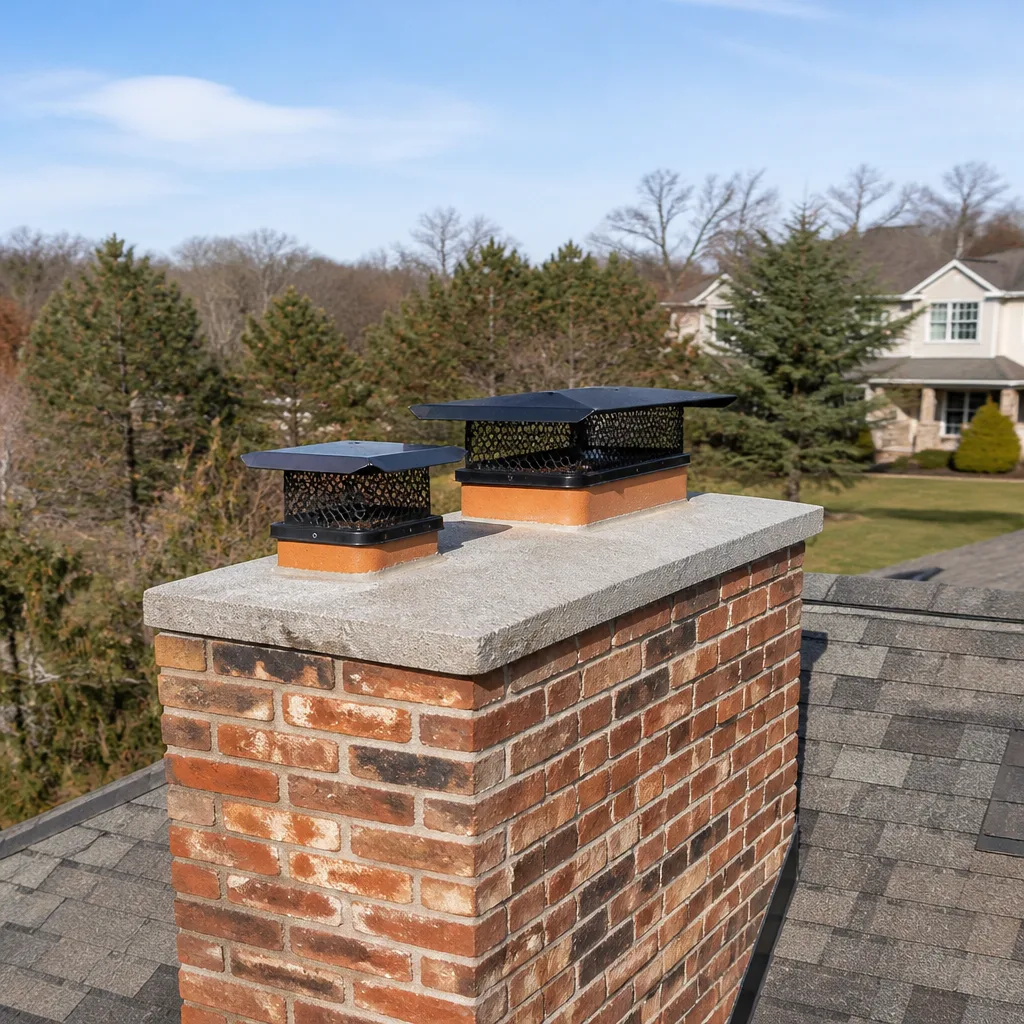
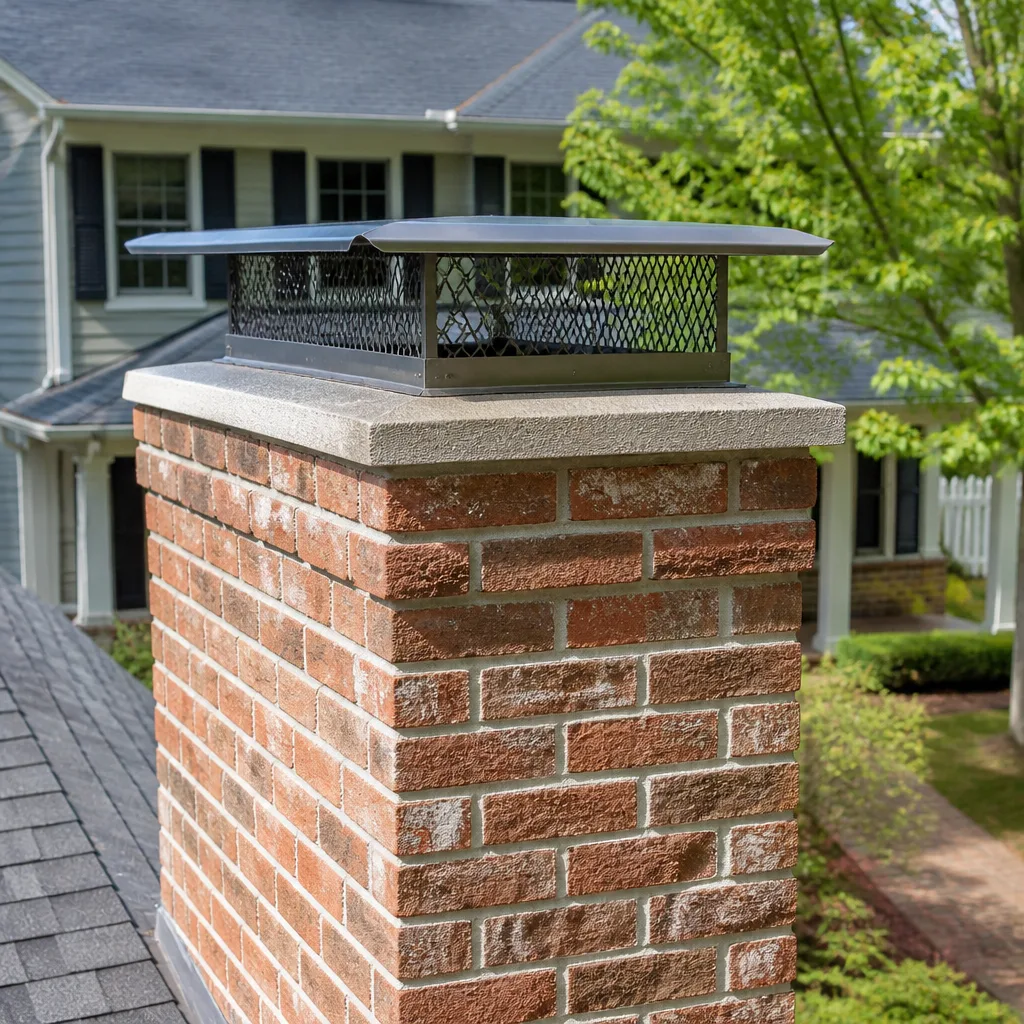
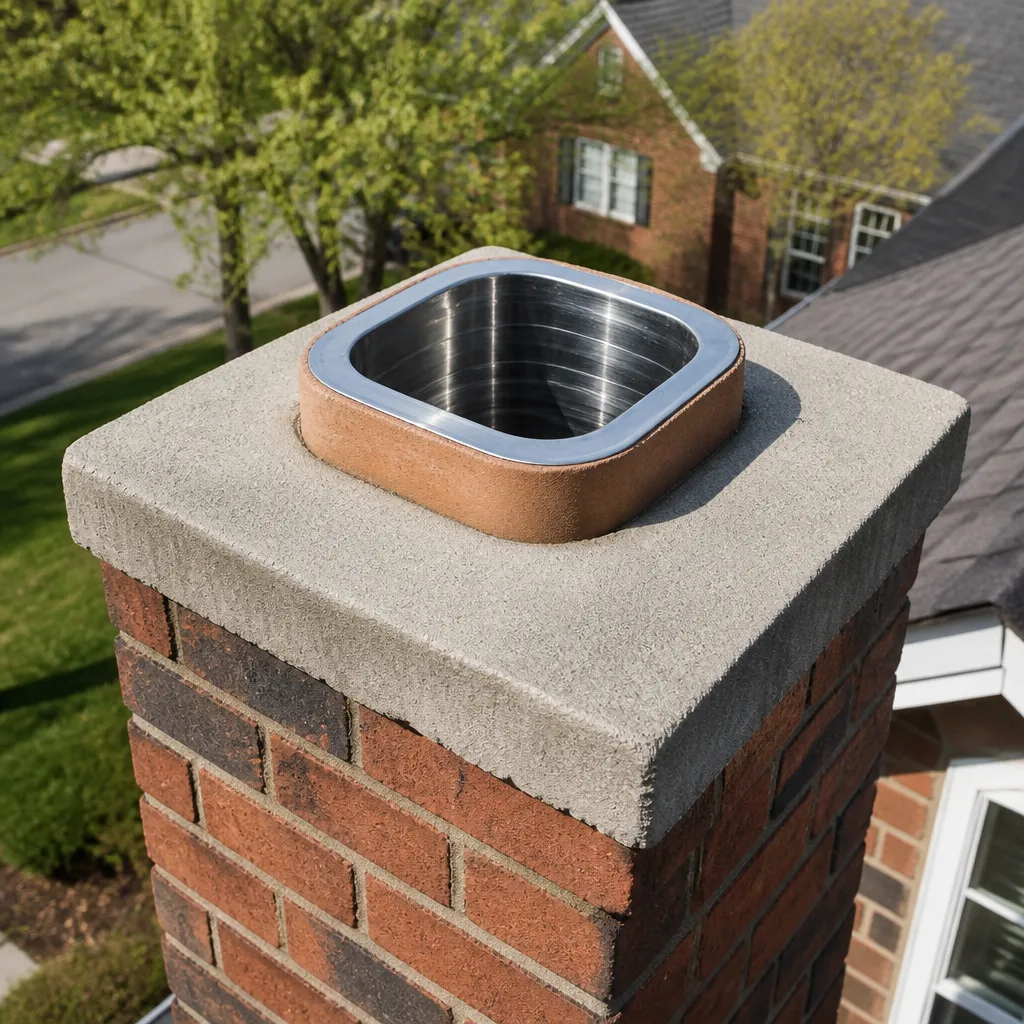
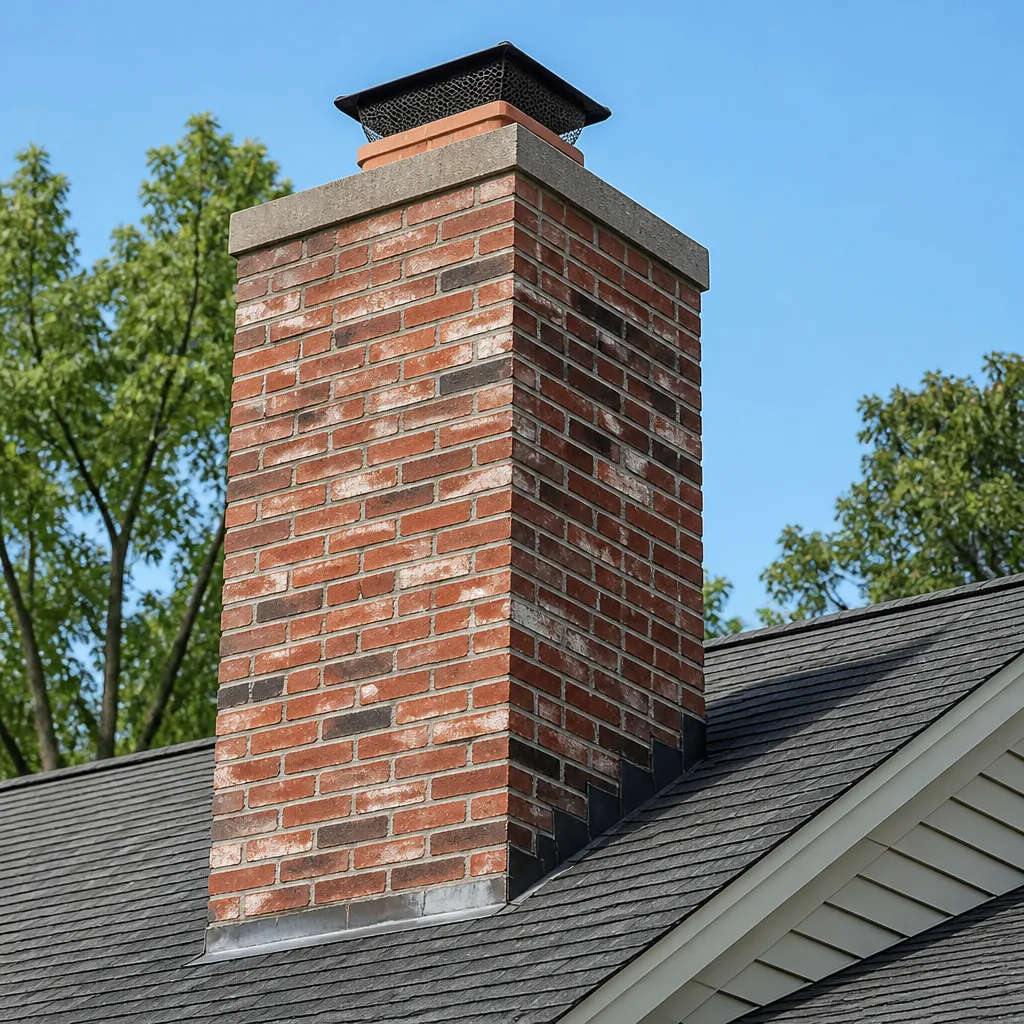
Spalling on the crown is the first thing to check. The crown is the concrete cap on top of the chimney that sheds water away from the masonry. When it cracks or flakes away, water gets into the chase and into the flue. Look for crumbling, flaking, or chipped concrete on the crown, or cracks running across the top. A crown can be repaired; if it’s badly eroded, it’s replaced. Either way, it’s cheaper than the masonry damage it prevents.
Efflorescence on the chase looks like a white, powdery stain on the brick or siding. It’s salt that water has carried to the surface as it moves through the masonry and evaporates. A little of it is a hint; a lot of it usually means water is getting in and staying in. Efflorescence on a Gilbert chimney is a reason to investigate the crown and the chase joints, not to reach for a pressure washer. Blasting it with water makes the problem worse.
Staining patterns tell you where the water is coming in:
- Vertical dark streaks below the crown point to a failed crown or cracked top seal.
- Brown or rusty stains often mean water is rusting the metal parts inside the flue (dampers, liner seams) and dripping down.
- Dark streaks along the chase suggest flashing failure or a gap in the siding, not the chimney itself.
- White crust around the base is the efflorescence pattern and points to ongoing water absorption.
If any of this shows up, don’t wait for the roof to leak. Crown repair and chase repairs are part of what we handle alongside cleaning and inspection, so one visit covers it. Catching a spalling crown early is the cheapest masonry repair you’ll ever make.
Smoke Behavior That Points to a Pressure Problem
Here’s the misconception worth clearing up first: smoke rolling into the room, or a smell of smoke on a windy day, is not always a dirty chimney. In plenty of Gilbert homes it’s a pressure differential, and a sweep won’t fix it.
A chimney needs a slightly lower pressure at the top of the flue than at the firebox. When that’s true, smoke rises and leaves. When the house’s air pressure gets out of balance, smoke pauses, slows, or comes back down. Common causes include:
- Bathroom or kitchen exhaust fans pulling air out of the house and stealing the draft.
- A tightly sealed newer home that doesn’t let enough makeup air in.
- The chimney being on the wrong side of the roof for the prevailing wind.
- Another flue or appliance competing for the same air.
How to tell the difference from a dirty chimney:
- Light a small test fire and watch the smoke at the top. If it leaves cleanly on a still day but backs up on a windy day, that’s pressure, not buildup.
- Check whether the smell appears when you run a vent fan. Turn on the kitchen hood and the bathroom fan and see if the draft changes. If it does, pressure is part of the problem.
- Look at the flue from the cleanout. A clean (or at least build-up-free) flue with backdrafting confirms the flue itself isn’t the issue.
The fixes for a pressure problem range from adding makeup air to installing a proper cap or correcting the flue termination. None of that happens with a brush. It gets sorted out in an inspection, which is why we treat Gilbert homes with the same first step: diagnose before we quote.
The Decision Tree: Sign, Cause, Response
This is the section to bookmark. Use it to map what you’re seeing to what it probably means and what you should do about it.
| Symptom you observe | Most likely cause | What to do |
|---|---|---|
| Smoke smell only on windy days, no buildup visible | Pressure differential | Inspection; do not assume a cleaning is needed |
| Acrid, sharp smell when the fire isn’t lit | Creosote buildup | Book a sweep before burn season |
| Musky smell, scratching at dawn, birds on the cap | Animal intrusion | Remove animal, clean flue, install a proper cap |
| Musty, moldy odor, mold inside the firebox | Water intrusion | Inspect the crown, chase, and rain cap |
| Stiff or stuck damper, rust on plate | Moisture or mechanism failure | Repair, possibly replace the damper |
| Crumbling or cracked crown | Crown wear | Crown repair before the next monsoon |
| White powder (efflorescence) on the chase | Water moving through masonry | Inspect and seal; never pressure-wash it |
| Flame at the cleanout, smoke pouring into the room | Flue fire or blockage | Stop using the fireplace, call immediately |
| Thick continuous white or gray smoke from the top | Blockage or poor combustion | Stop using the fireplace, inspect immediately |
Three categories of response come out of this table:
- Monitor. The sign is mild, the fire burns cleanly, and nothing else is off. Recheck at the start of next season.
- Schedule a cleaning or repair. The sign points to buildup, a worn damper, or exterior wear, but the firebox isn’t a hazard right now. Book it before you burn next.
- Call immediately. Flames at the cleanout, continuous thick smoke from the chimney, or heavy smoke in the room. Stop using the fireplace and call.
Why a Camera Inspection Beats a Guess
A camera inspection settles the question every homeowner asks: is the repair actually needed, or am I being sold work I don’t need? A chimney sweep, by itself, only clears the flue. An inspection with a camera shows what’s happening inside the flue, the smoke chamber, and the firebox, and lets you see it for yourself.
Three things a camera inspection answers:
- How much creosote is on the flue walls, and what stage it is.
- Whether the flue liner is cracked, scored, or peeling (the condition that makes a chase relining necessary).
- Whether the smoke chamber is properly shaped and sealed, or whether it has been quietly leaking since the day it was built.
If the inspection shows a liner that needs resurfacing, we can use HeatShield to rehabilitate it rather than tearing the chimney apart. If the liner is beyond resurfacing, a DuraFlex flexible liner system handles a full relining. Those are chimney-industry products, not improvised hardware-store substitutes, and they’re why we can offer repair alongside the sweep instead of handing the job to a subcontractor. The most important part is the report: with the camera footage in front of you, you can decide for yourself what to fix and what can wait.
Common Mistakes to Avoid
- Assuming every smoke smell means the chimney needs sweeping. Windy-day smoke is often a pressure problem, and cleaning the flue twice won’t fix it.
- Ignoring a stiff damper all summer. In Gilbert, the damper sits unused for most of the year, so it rusts shut or fails silently. Test it before the first cold night.
- Pressure-washing efflorescence off the chase. That forces more water into the masonry. You want to find and seal the source, not hide the stain.
- Burning a fire to “clear out” a blocked or smoky chimney. That turns a blockage into a hazard. Stop using the fireplace and get it inspected.
- Skipping the camera inspection because the sweep “looked clean.” The flue out of sight is where cracks and failed liners hide, and a brush doesn’t reach into that condition.
- Waiting for the first cold snap to book service. In Gilbert, burn season is short and demand spikes. Booking before it saves you a scramble.
- Fitting a generic cap or damper from the hardware store. Trade-brand parts like Gelco caps fit the actual chimney, so they keep water and animals out and don’t rattle loose.
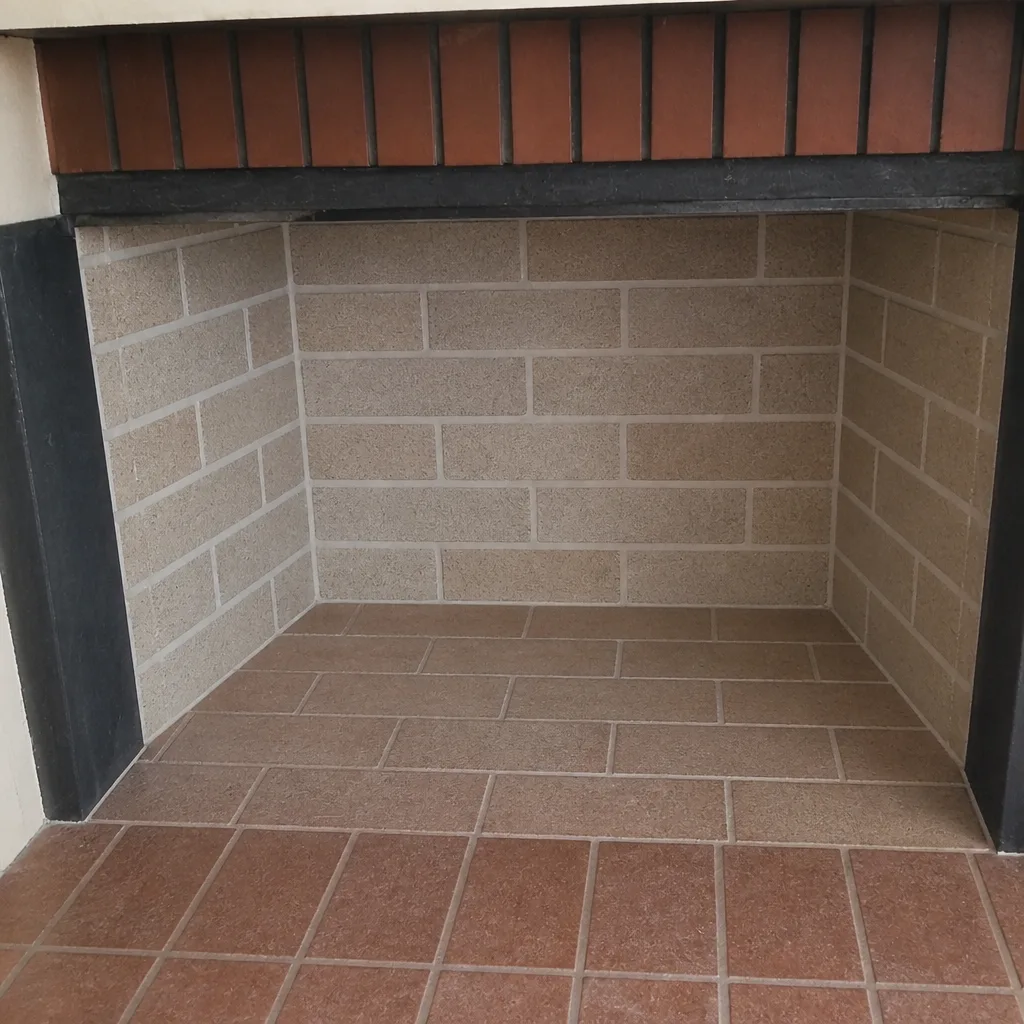
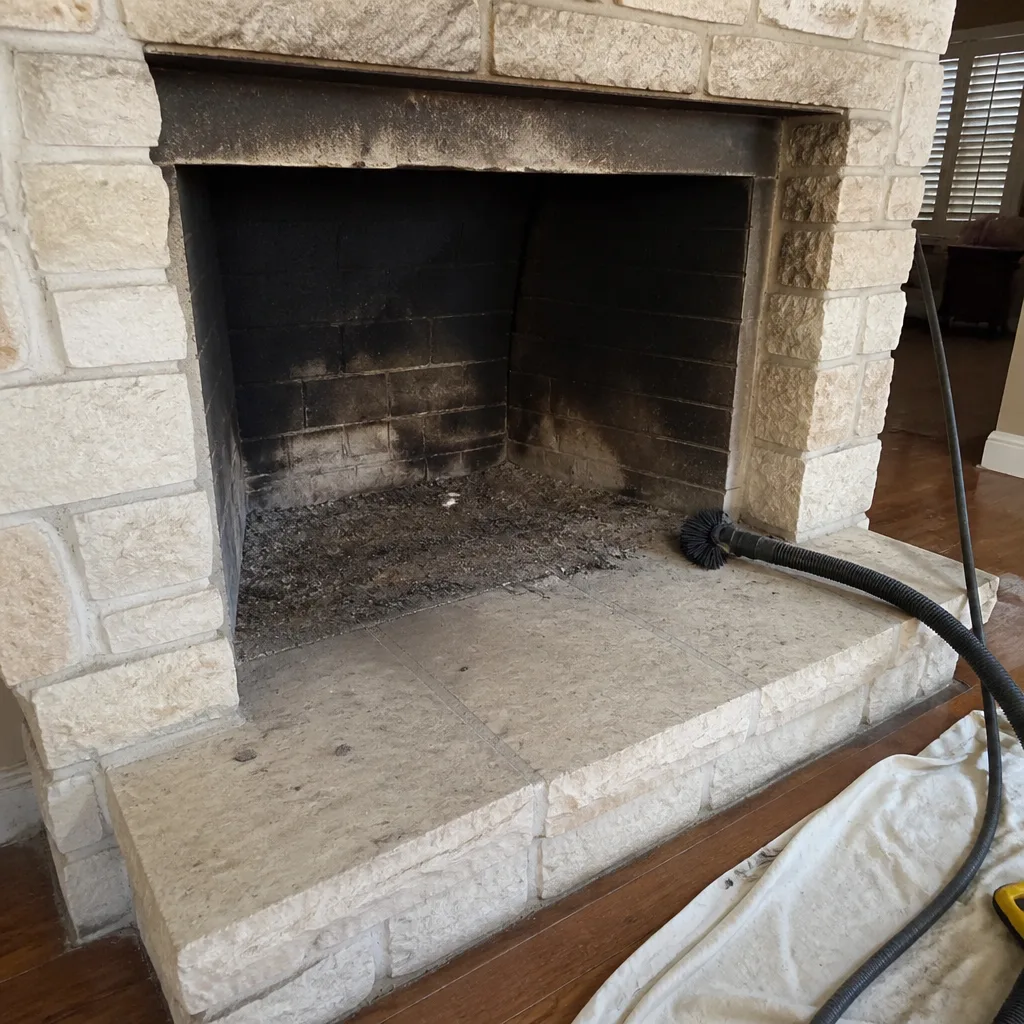
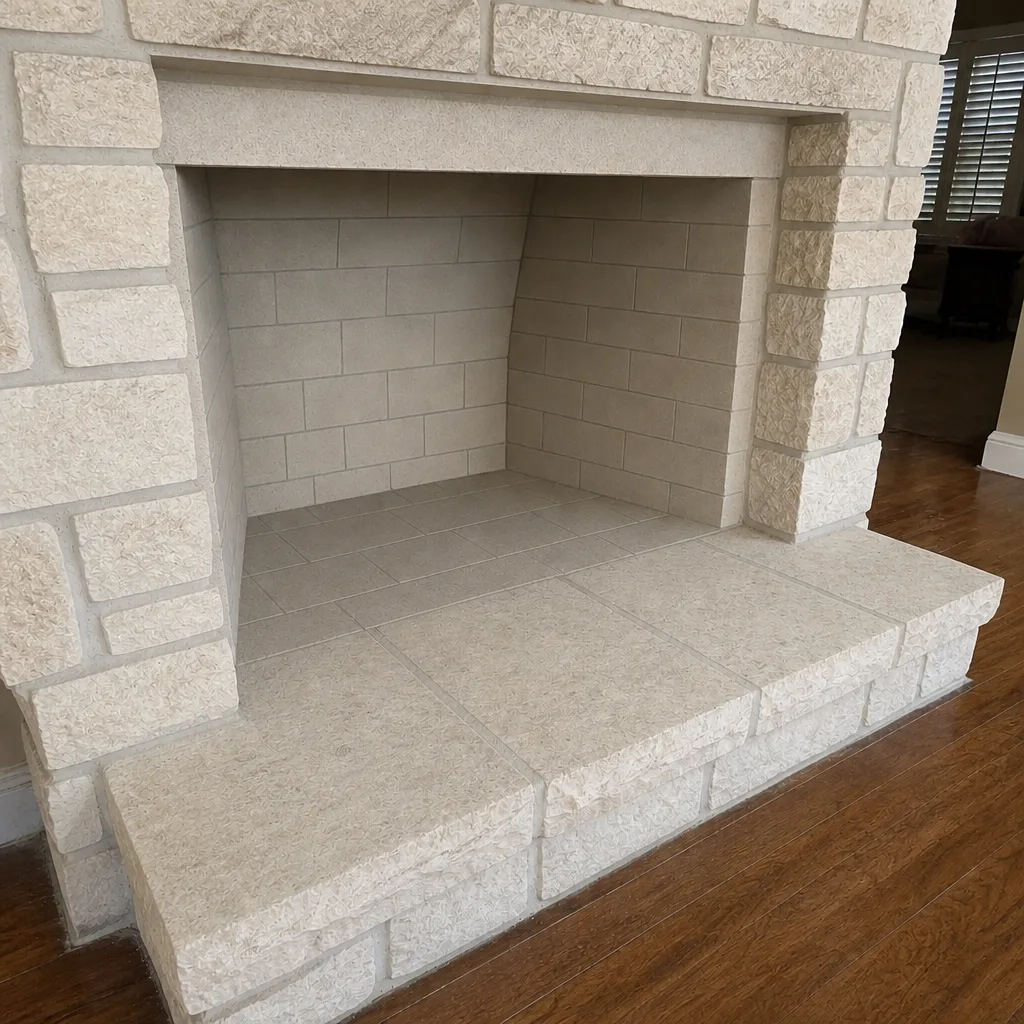
See the difference
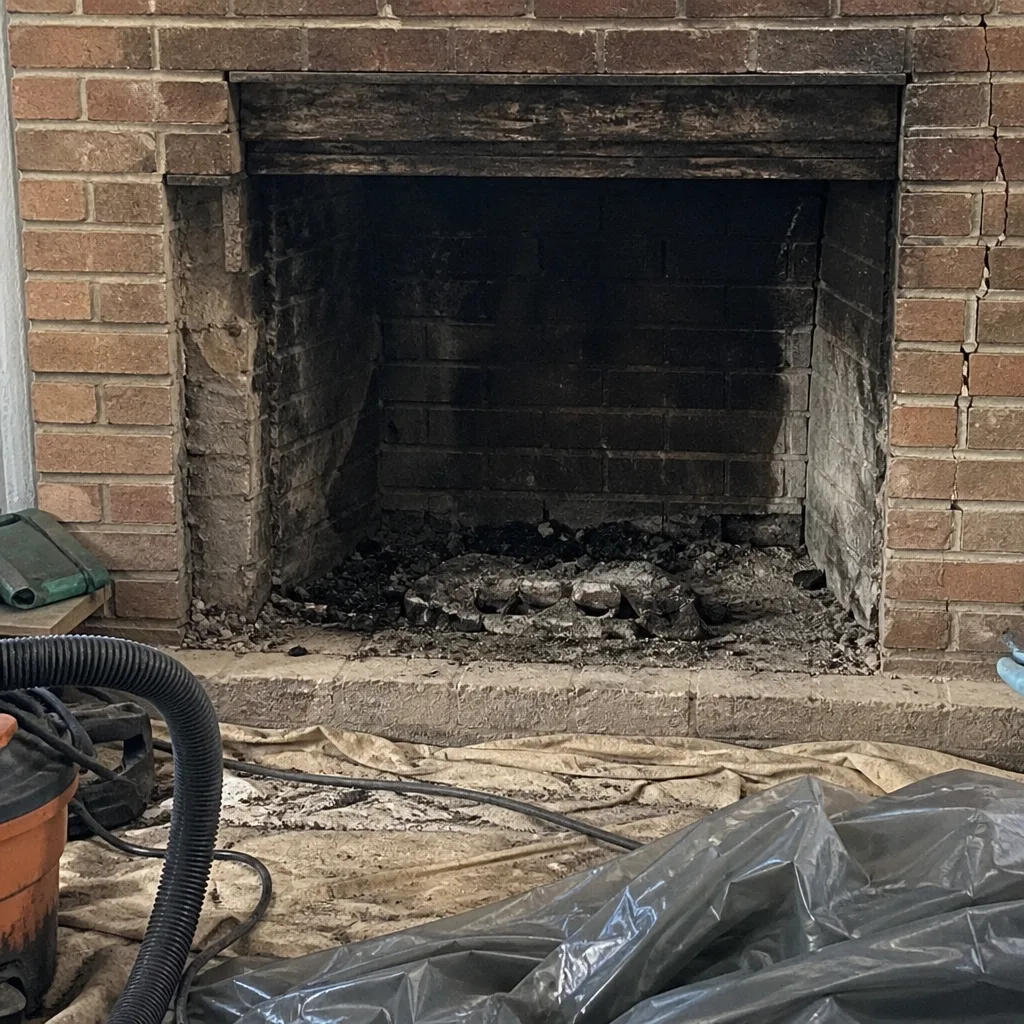 Before
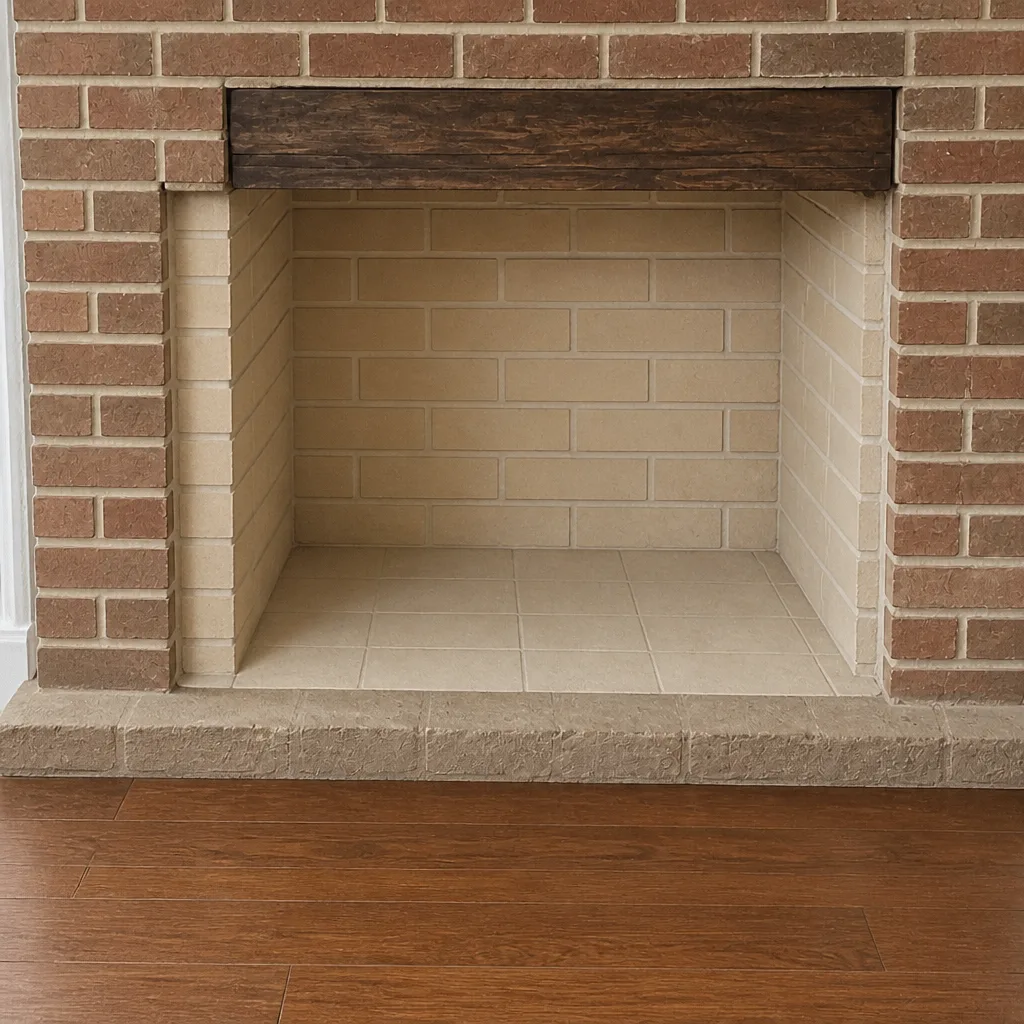 After
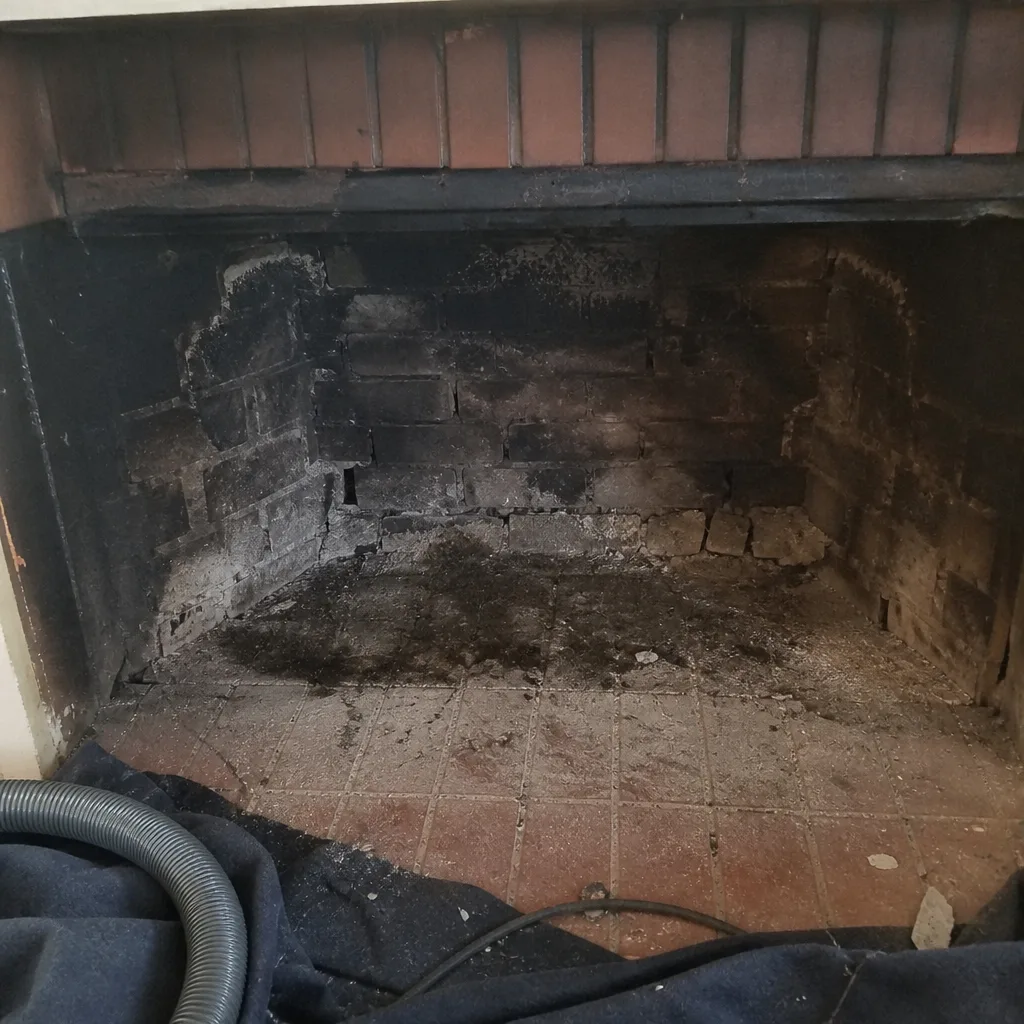 Before
 After
 Before
 After
When to Call a Professional
Call a professional if you see flame at the cleanout, thick white or gray smoke that won’t clear at the chimney top, smoke backing into the room with the damper open, or soot falling into the firebox. Also call if you’re smelling a musty odor that stays put, if a crown is crumbling or cracked, if the chase shows a staining pattern that’s getting worse, or if the damper sticks, rattles, or won’t hold open. And call if you simply can’t tell which category your sign falls into. Getting a camera inspection and a written report means you can see the condition of your flue for yourself instead of guessing. Chimney Sweep Gilbert offers free estimates in Gilbert – call (866) 942-9144. Call (866) 942-9144. We answer 24/7. Fast dispatch from 7am to 7pm, Sunday through Friday.
Frequently Asked Questions
Most Gilbert chimneys used for regular wood burning are best swept once a year, checked before the season starts, or sooner if you’ve burned a lot. Gas fireplaces usually need less frequent cleaning but still benefit from an annual inspection because the flue and venting condition matter. If you burn often and the creosote smell gets strong, don’t wait for the calendar. Call (866) 942-9144 for an exact quote – estimates are free.
Not unless a camera inspection shows the liner is cracked, peeling, or otherwise failing. A failed liner lets heat and gases reach the framing, so it’s not something to postpone once it’s confirmed. But it isn’t a decision to make on a hunch. We recommend new lining or resurfacing only when the footage shows it’s needed, and we can show you what it takes to decide. Call (866) 942-9144 for an exact quote – estimates are free.
Creosote builds up inside the flue, and enough of it can ignite. A chimney fire can damage the liner or spread into the structure. Even without a fire, a blocked or glazed flue can push smoke back into your living space. The risk grows slower than most people think, which is exactly what makes it easy to ignore. Call (866) 942-9144 for an exact quote – estimates are free.
Usually no, and it’s often not the chimney itself. It’s a pressure differential, which is a draft problem, not a cleaning one. Have it inspected so you know what’s actually happening rather than spending on a sweep that won’t help. Call (866) 942-9144 for an exact quote – estimates are free.
Continuous thick white or gray smoke that doesn’t clear after the fire is burning steadily is a sign your chimney isn’t working the way it should. Turn the fire off and get it looked at. A brief puff when you light a fire is normal, but ongoing smoke isn’t. Call (866) 942-9144 for an exact quote – estimates are free.
Yes. A chimney inspection as part of a property transaction gives the buyer and seller a documented condition report on the flue, firebox, and exterior. That matters in Gilbert’s market, where fireplaces are a selling point and buyers want proof the chimney isn’t hiding a repair. If the report finds a liner or crown problem, we can scope and price the repair before closing. Call (866) 942-9144 for an exact quote – estimates are free.
The Bottom Line
Most chimney warning signs are readable from the ground and from inside the house, if you know what you’re looking at. Stop using the fireplace for flame at the cleanout, smoke in the room, or thick white smoke from the top. Book a cleaning or repair for creosote odors, a stiff damper, a spalling crown, or staining on the chase. Monitor the mild, unclear ones and recheck before burn season. When a smell or a stain isn’t clearly one thing or another, an inspection with a camera is worth more than another guess. Learn more about Chimney Sweep Gilbert and what we handle, or call us to book a visit before the season turns.
Call (866) 942-9144 for a free estimate. We answer 24/7. Fast dispatch from 7am to 7pm, Sunday through Friday.
Written by the team at Chimney Sweep Gilbert.