
Last updated November 16, 2026
 Sweep & inspection
 Caps & crowns
 Flue relining
 Masonry repair
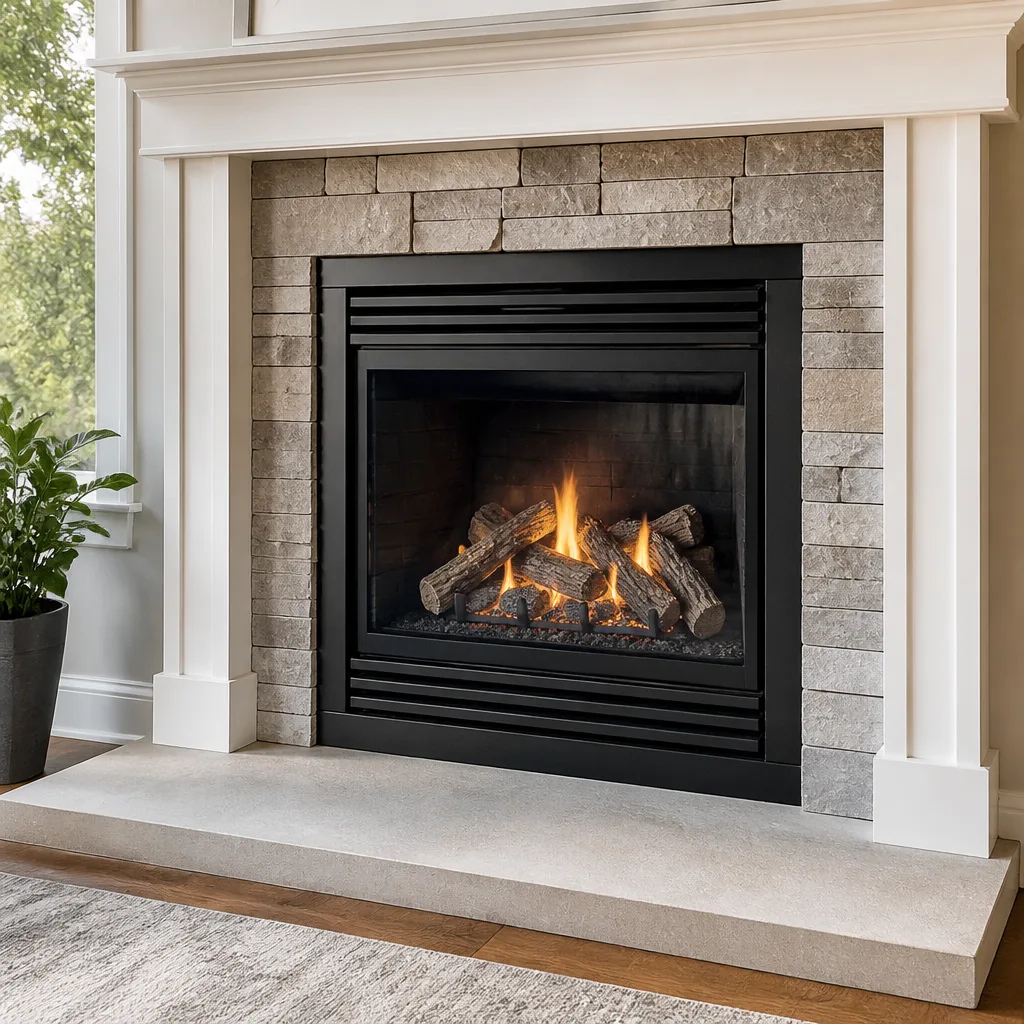 Gas fireplace service
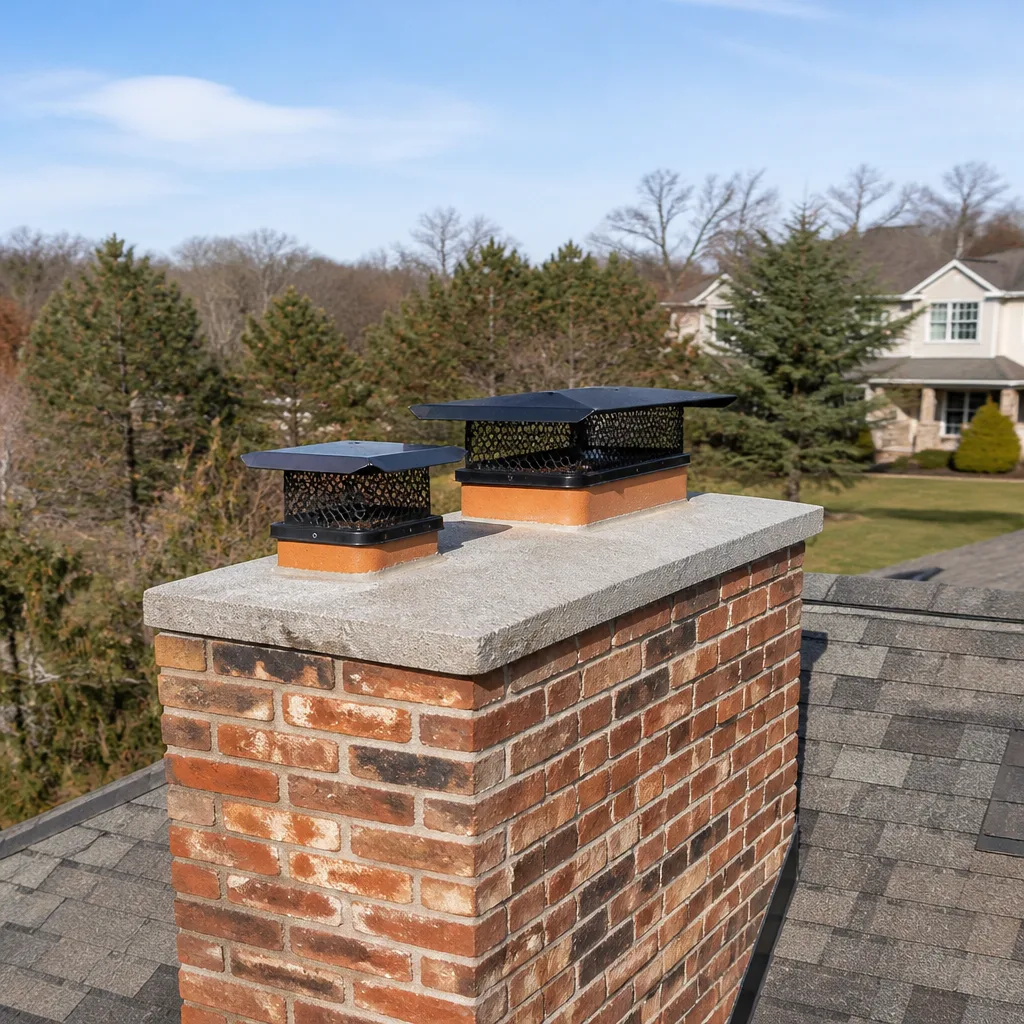
Level 1 sweep and inspection to the NFPA 211 annual standard - flue, crown, cap, and flashing checked and photographed
Chimney sweep logs do not sweep chimneys. They loosen some creosote - which then falls where a brush and vacuum still have to collect it.
Chimney Sweep Maintenance Schedule: What to Do and When
Most chimney care advice you’ll find online was written for a place with six months of hard winter. “Inspect before burning season” sounds universal, but in Gilbert it lands differently. Our burn season runs roughly November through March, and then the fireplace sits cold through a summer that regularly climbs past 115 degrees. That means the September inspection most guides describe is really a post-season inspection on a chimney that has just spent five months baking in the sun without a fire in it. What you’re looking for changes, and so does the calendar. In this guide we’ll lay out a month-by-month maintenance schedule built for Gilbert’s actual climate, separate what a pre-season check should cover from a post-season one, and flag which tasks you can handle yourself and which need a professional. If you’ve been following cold-climate advice in a desert suburb, this is the schedule you actually need.
Quick Answer
In Gilbert, schedule a professional chimney inspection and sweep in late September or early October, before the first fire of the season, and a second lighter inspection in March or April after your last burn. Between those, check the cap and damper yourself each month, clear debris after monsoon storms, and have the exterior inspected for mortar and flashing wear at the start of summer. Gas fireplace owners follow the same two-visit rhythm but with different inspection points.
Styles & brands we work with
- Sweep & inspection
- Caps & crowns
- Flue relining
- Masonry repair
- Gas fireplace service
Table of Contents
- Why Gilbert’s Climate Changes the Standard Schedule
- Month-by-Month Gilbert Chimney Calendar
- Pre-Season vs. Post-Season: Two Different Checks
- What the Summer Idle Period Does to Your Chimney
- What You Can Check Yourself vs. What Needs a Pro
- Gas Fireplace Maintenance: The Schedule Most People Skip
- How Often Should a Chimney Be Swept in Gilbert?
- Monsoon Season and Your Chimney
Why Gilbert’s Climate Changes the Standard Schedule
The standard chimney maintenance calendar was designed around prolonged cold and heavy snow. In that climate, a chimney is in near-constant use for months, and the main concern is creosote buildup from steady burning. Gilbert works differently. Most homes here burn wood for maybe ten weeks a year, often on cool evenings in December and January, and then the fireplace goes quiet. That idle stretch is where the real local wear happens.
Two forces act on a Gilbert chimney during the off-season. The first is heat. Five months of intense sun and 100-degree-plus days expand and contract the mortar joints on an exterior chimney, and UV light breaks down the sealant around flashing where the chimney meets the roof. The second is the monsoon, which arrives in July and August with driving rain and wind that can force water past a loose cap or a hairline gap in the crown. Neither of these shows up in a cold-climate maintenance guide because neither is a snow-climate problem.
What this means for you: your chimney isn’t just “resting” in summer. It’s taking a different kind of beating than a Minnesota chimney does, and the annual inspection has to be timed and scoped to catch it. That’s why a September check in Gilbert looks at sun damage and storm intrusion as much as creosote. Local chimney sweepers who work here know the difference, and it’s the reason a generic “inspect once a year” rule underserves Gilbert homeowners. Our technicians have up to 14 years of experience reading exactly these local patterns.
Month-by-Month Gilbert Chimney Calendar
Here’s the schedule we recommend for a wood-burning fireplace in Gilbert. It’s built around your burn season (November through March), the summer heat window, and the monsoon moisture window. Print it, stick it on the fridge, and adjust slightly if your fireplace gets heavier or lighter use than average.
- January – February (peak burn season): Burn as normal. Do a quick visual check of the firebox and damper every few weeks. No service needed unless you notice smoke backing into the room or a strong odor.
- March (end of burn season): Book a post-season inspection and sweep. This captures creosote from the year’s burning before it sits in summer heat, and it’s the best time to catch any liner wear while the season is fresh in mind.
- April – May (early heat): Clear the cap of any debris and confirm the damper closes fully. Look at the exterior mortar and flashing from the ground. This is your last easy window before summer heat sets in.
- June (pre-monsoon prep): Have the crown, cap, and flashing checked so the chimney is watertight before the July storms. A cracked crown found in June is a small repair; found in August it’s a soaked flue.
- July – August (monsoon): After any major storm, do a quick interior check for water stains or dampness near the firebox. Keep an eye on the cap, since wind and rain can dislodge a loose one.
- September – October (pre-season): Book your pre-season inspection and sweep. This is the big one. It confirms the flue is clear after the idle months, checks for animal nests, and verifies the liner and damper before the first fire.
- November – December (start of burn season): Light the first fire with confidence. Check the cap and damper once a month as fires become regular.
If that seems like a lot of visits, note that only two of them are professional service calls (March and September). The rest are quick checks you can do yourself, covered in the section below. Every Gilbert homeowner’s calendar will shift a little based on how much they actually burn, which is why we start every relationship with an inspection rather than a preset package.
Pre-Season vs. Post-Season: Two Different Checks
A common misconception is that the pre-season and post-season visits are the same job done twice. They aren’t. Each one is timed to catch a different kind of problem, and skipping either leaves a gap.
What a pre-season check in September should include
The September visit happens after five months of no fires. Its job is to confirm the chimney is safe to use after the idle period. It should cover:
- A full sweep of the flue to clear anything that settled during summer
- A camera inspection of the liner for cracks, gaps, or separation
- A check for animal nests, which are a real risk after a warm idle season
- Verification that the damper opens and closes cleanly
- Exterior inspection of the cap, crown, and flashing for storm or sun damage from the summer
- A look at the firebox for loose brick or deteriorated mortar
What a post-season check in March should cover
The March visit happens right after your last fire of the season. Its focus is creosote and wear from actual burning, before any of it sits through a hot summer. It should cover:
- A sweep to remove the season’s creosote while it’s still fresh
- An inspection of the liner and flue for any heat-related wear from the year’s burning
- A check of the firebox and damper for wear from use
- Notes on anything that will need attention before next season, so you can plan it over the quieter months
In our experience at Chimney Sweep Gilbert, homeowners who run both visits catch small issues before they become structural repairs. Those who run only one tend to find problems later and larger. When you call, tell us which check you’re after so we scope the visit properly.
What the Summer Idle Period Does to Your Chimney
From April through September, a Gilbert chimney sits unused but not unaffected. Understanding what happens during those months is the reason this schedule exists in the shape it does.
UV degradation of flashing. The metal and sealant where the chimney meets the roof take direct desert sun. Over a summer, sealant can dry and crack, opening a path for water when the monsoon hits. This is one of the most common things we find on September inspections.
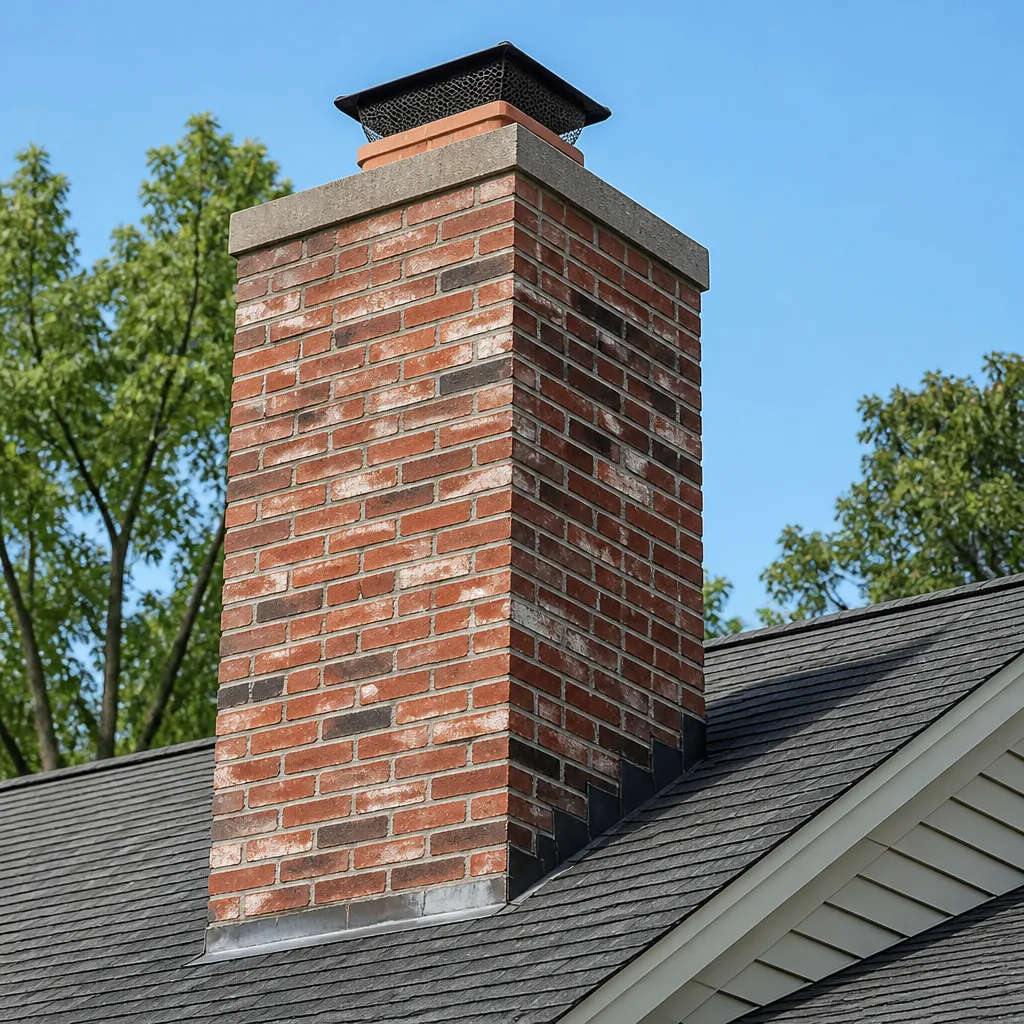
Mortar joint expansion and contraction. Exterior mortar joints expand in the heat of the day and contract overnight, day after day, through a long hot summer. That cycle is gentle compared to freeze-thaw, but over time it opens hairline cracks in the crown and the joints. Catching those early keeps water out.
Animal nesting windows. An open or loosely capped flue is an attractive home during the idle months. Birds and other animals move in when the chimney isn’t in use, and a nest becomes both an obstruction and a fire risk the first time you light a fire. This is exactly what a September sweep is meant to clear.
Dust and debris accumulation. Summer dust, loose mortar crumbs, and the occasional wind-blown mess collect on the firebox floor and damper. A pre-season clean handles it.
None of this is dramatic. It’s ordinary seasonal wear, and that’s the point. A chimney in Gilbert doesn’t fail cataclysmically over summer; it accumulates small issues that a well-timed inspection finds and a skipped one misses. For more on what we look at during these visits, see our Chimney Sweep Gilbert overview of full-cycle service.
What You Can Check Yourself vs. What Needs a Pro
Not every task on the calendar needs a technician. A few simple checks you can do yourself between professional visits keep your chimney in better shape and help you notice problems early. Here’s the split.
You can do these yourself
- Clear debris from the cap. From the ground, look at the cap for leaves, twigs, or nests and clear what you can safely reach. Never climb onto the roof for this; if the cap isn’t reachable from ground level, leave it for us.
- Check the damper. Reach into the firebox with the fire out and confirm the damper opens and closes smoothly, and seals flat when closed.
- Look for interior signs. A flashlight check of the firebox for loose brick, crumbling mortar, or water stains tells you a lot.
- Watch the cap and crown from the ground. A tilted cap or visible crack in the crown is worth a call.
- Keep the firebox clean. Remove ash and leftover debris after each burn season.
These need a professional
- Sweeping the flue. Proper sweeping needs the right brushes and a camera to verify the job. It’s not a DIY task.
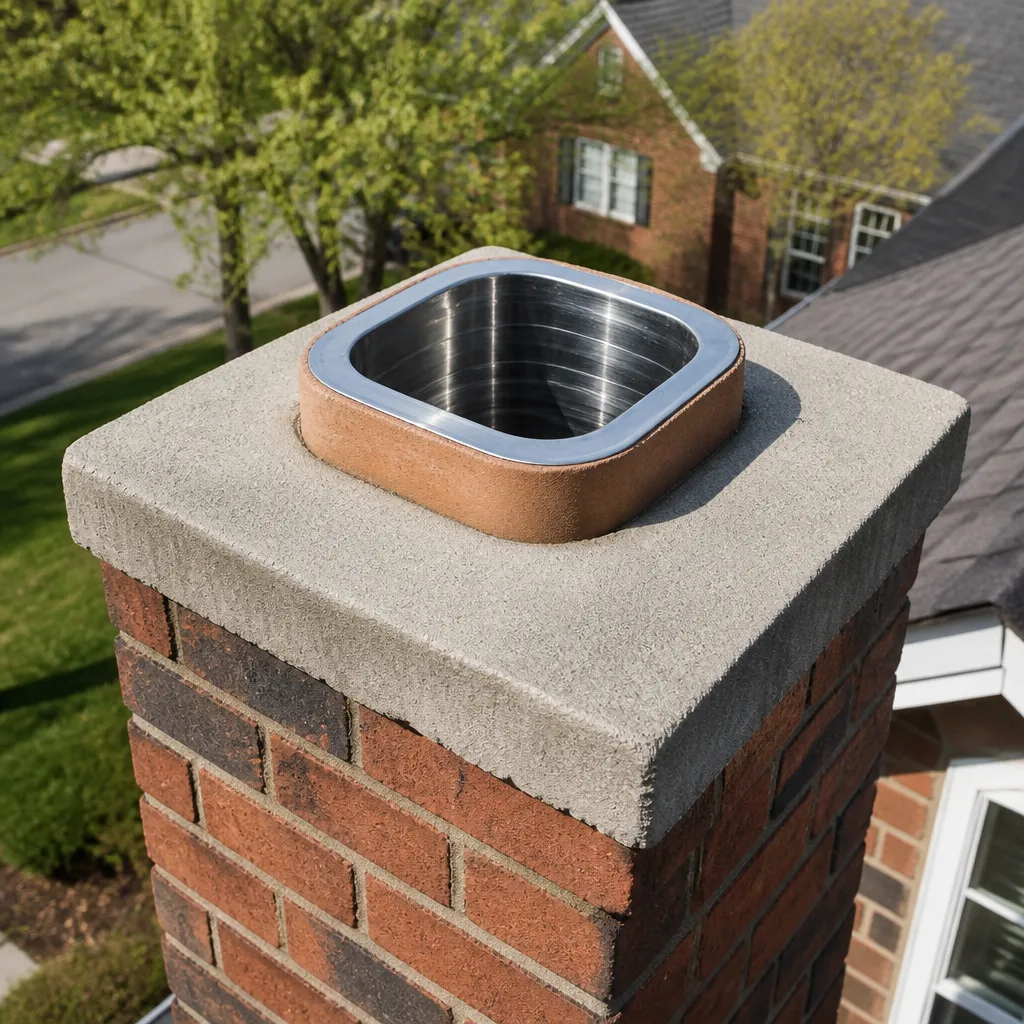
- Liner inspection and any relining. Determining whether a liner is compromised requires a camera and training. Full relining uses DuraFlex flexible liner systems, which is not a homeowner job.
- Liner resurfacing. A deteriorating liner can sometimes be resurfaced with a HeatShield system rather than replaced, but only a trained technician can judge which approach fits your flue.
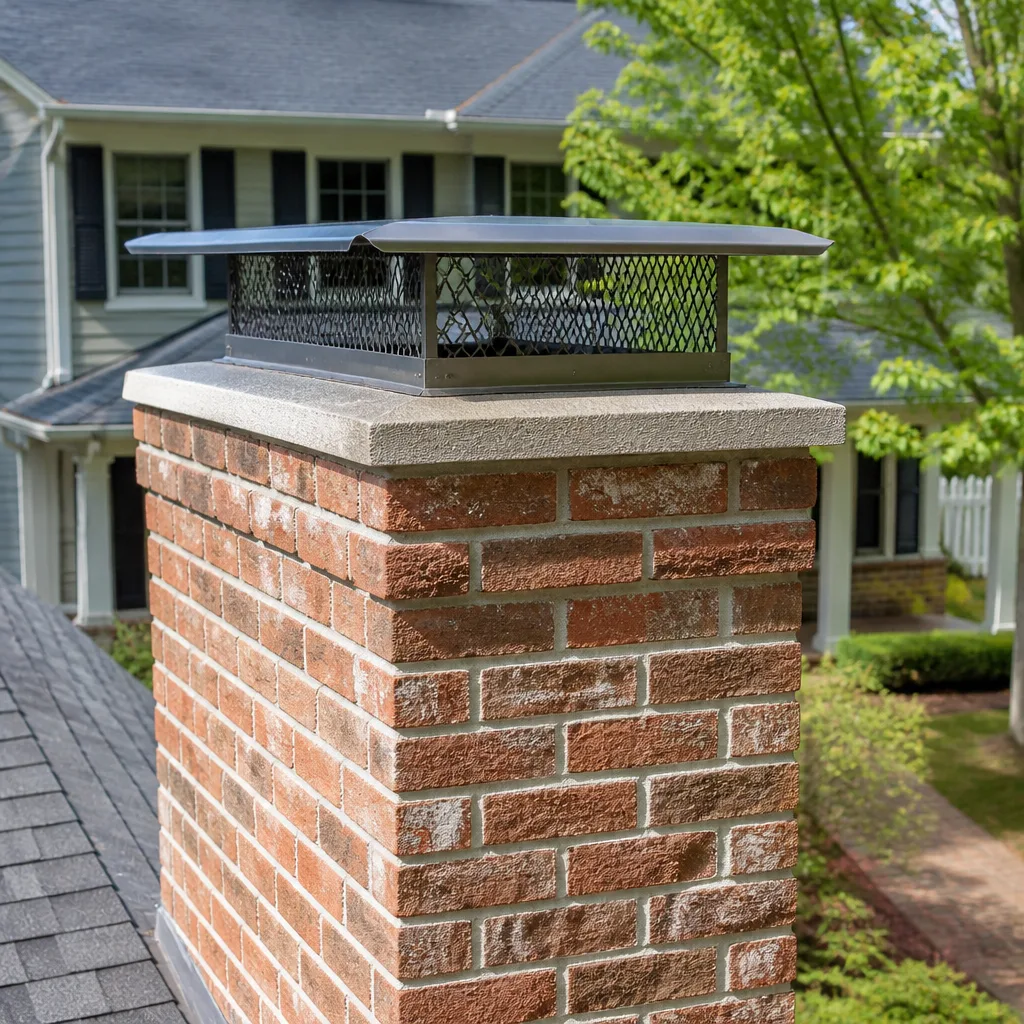
- Cap, damper, and crown repair or replacement. These need the right components, correctly fitted. We spec accessories from manufacturers like Copperfield and Famco so parts actually match your chimney.
- Any work on the roof or exterior. Height work calls for proper equipment and safety practices.
One safety note: anything involving the flue interior, the liner, or the roof carries real risk. If you’re ever unsure whether a task is a DIY one, treat it as a professional job. If you’re ready for a proper chimney sweep or inspection, get in touch.
Gas Fireplace Maintenance: The Schedule Most People Skip
Gas fireplaces are often treated as “no maintenance needed” because there’s no wood and no visible creosote. That’s a common and costly assumption. A gas fireplace still has a flue, a venting system, and components that wear, and its maintenance schedule differs from a wood-burning one in ways many homeowners never learn.
The biggest difference is that gas units don’t produce creosote the way wood does, so a traditional chimney sweep isn’t the main event. What matters instead:
- Venting inspection. The flue on a gas unit still needs a camera inspection to confirm it’s clear and intact. Blocked or damaged venting is a safety concern regardless of fuel type.
- Component check. Burners, logs, and the ignition should be inspected for dust, debris, and wear annually.
- Cap and exterior check. Gas chimneys face the same Gilbert summer sun and monsoon moisture as wood-burning ones, and the cap and crown wear the same way.
- Annual inspection, still required. Even a gas fireplace with light use benefits from a yearly look, especially the venting.
Gas owners should follow the same two-visit rhythm as wood burners, September and March, but tell us the fireplace is gas when you book so the visit is scoped correctly. Many homeowners with gas units never have them inspected at all, which is the single most common gap we see. If you’re unsure whether your gas fireplace has ever been checked, that’s a good reason to call. To learn more about our service area and how we work in the East Valley, visit our Gilbert page.
How Often Should a Chimney Be Swept in Gilbert?
Once a year is the baseline for most Gilbert wood-burning fireplaces, with an inspection timed to your burn season and a sweep when buildup warrants it. Because Gilbert’s burn season is short and light compared to cold climates, many homes don’t build up heavy creosote in a single year, and an annual inspection can tell you whether a sweep is actually needed that year or not.
The variables that change the answer:
- How much you burn. An occasional evening fire is different from regular use through the whole season.
- What you burn. Well-seasoned wood produces less creosote than unseasoned or damp wood.
- How the fireplace is used. Long slow smoldering fires create more buildup than hot, efficient burns.
- Whether the chimney is vented correctly for its appliance. An undersized or damaged flue accelerates buildup.
Rather than guess, have it inspected. Our approach is to diagnose before we quote: we don’t recommend a sweep or a repair until a camera inspection shows it’s warranted, and we’ll show you the evidence. That’s the honest way to set a real schedule for your specific fireplace. For heavier wood users, an annual sweep may be the right answer. For light users, some years may need inspection only. You’ll know after the first visit.
If you have a wood-burning insert or stove rather than an open fireplace, the same once-a-year inspection baseline applies, but the venting and clearances are different. Mention it when you book.
Monsoon Season and Your Chimney
Gilbert’s monsoon window, roughly July and August, is the one time of year when water is the primary threat to a chimney rather than heat. Driving rain and wind from summer storms can find their way past a loose cap, a cracked crown, or dried-out flashing, and the damage usually isn’t obvious until you look for it.
What to do around the monsoon:
- Before the storms (late June): Have the crown, cap, and flashing inspected and sealed so the chimney is watertight going into the season. This is the single most useful monsoon prep step.
- During the season: After any significant storm, look inside the firebox and the base of the chimney for signs of water intrusion. Dampness, water stains, or a musty smell all point to a leak.
- After the storms (early September): Fold a water intrusion check into your pre-season inspection. Anything the rains got past gets caught and fixed before the first fire.
Water in a chimney is worth taking seriously. It degrades mortar, rusts components, and can damage a liner. The good news is that most monsoon-related chimney damage is caught early if you’re checking on the timing above. A repair in June is cheap and quick; a repair in October, after a wet summer, is often larger. When in doubt, have it inspected and let the camera tell you what’s actually happening. Our chimney repair service handles anything a monsoon check turns up.
Common Mistakes to Avoid
- Following cold-climate advice in Gilbert. “Inspect before winter” was written for snow country. Here you need a September check and a March post-season check, timed to the desert’s idle period, not a snow season. Skipping the summer-focused exterior check is the most common mistake we see.
- Ignoring the exterior. Many homeowners think only about creosote inside the flue. In Gilbert, the sun and monsoon do more visible damage to the crown, cap, and flashing than burning does. Check the outside as carefully as the inside.
- Skipping the gas fireplace entirely. Gas fireplaces still have venting that needs inspection. Treating a gas unit as maintenance-free is a real safety gap.
- Lighting the first fire of the season without a pre-season check. After five idle months, a chimney can have a nest, debris, or a cracked liner you’d never see from the hearth. Have it checked before the first burn.
- Doing flue or roof work yourself. Sweeping, liner inspection, and roof-level repair carry genuine risk. These aren’t DIY tasks, even for a handy homeowner.
- Waiting for a problem before calling. The whole point of a maintenance schedule is that it catches small issues while they’re still small. A chimney that only gets attention when something’s wrong is a chimney that sees bigger repairs.
- Assuming once a year is enough if you burn heavily. If you use your fireplace more than most, your inspection and sweep needs might be more frequent. Ask during your annual visit.
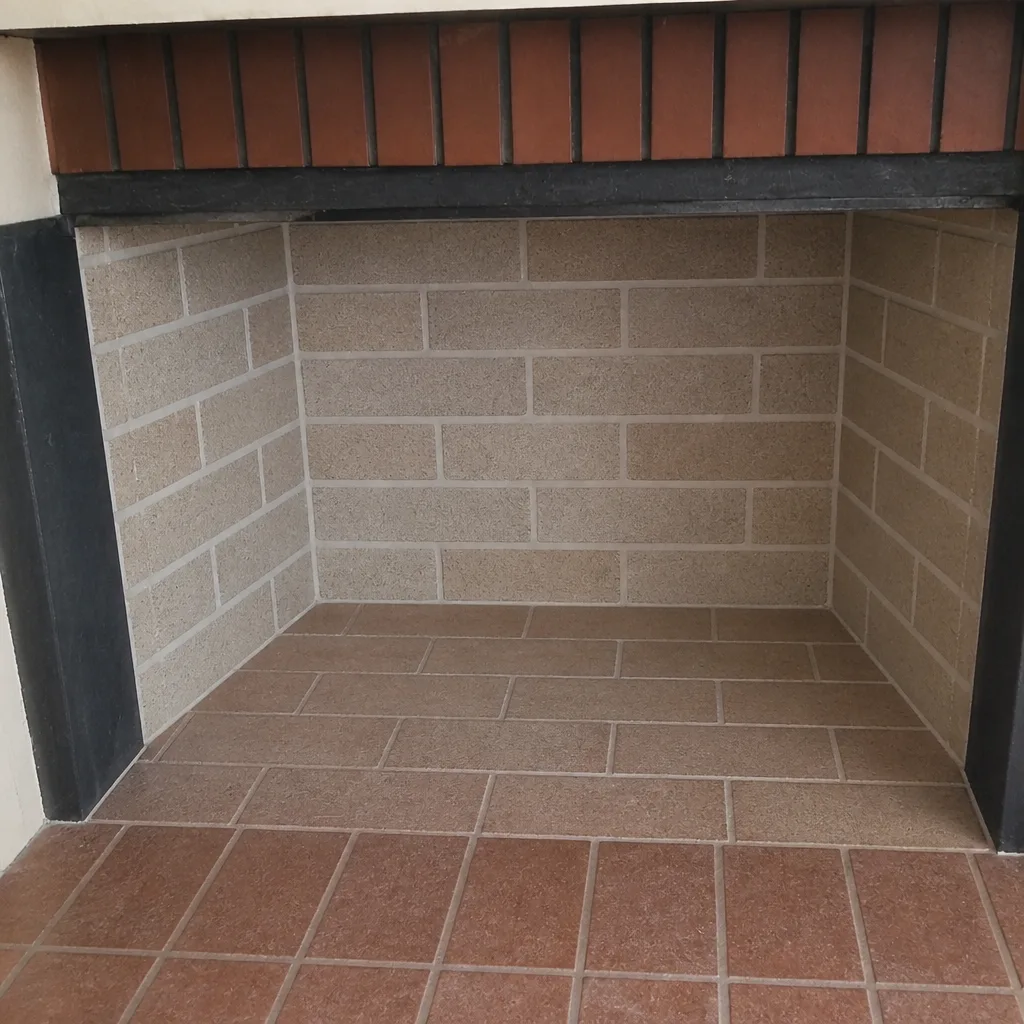
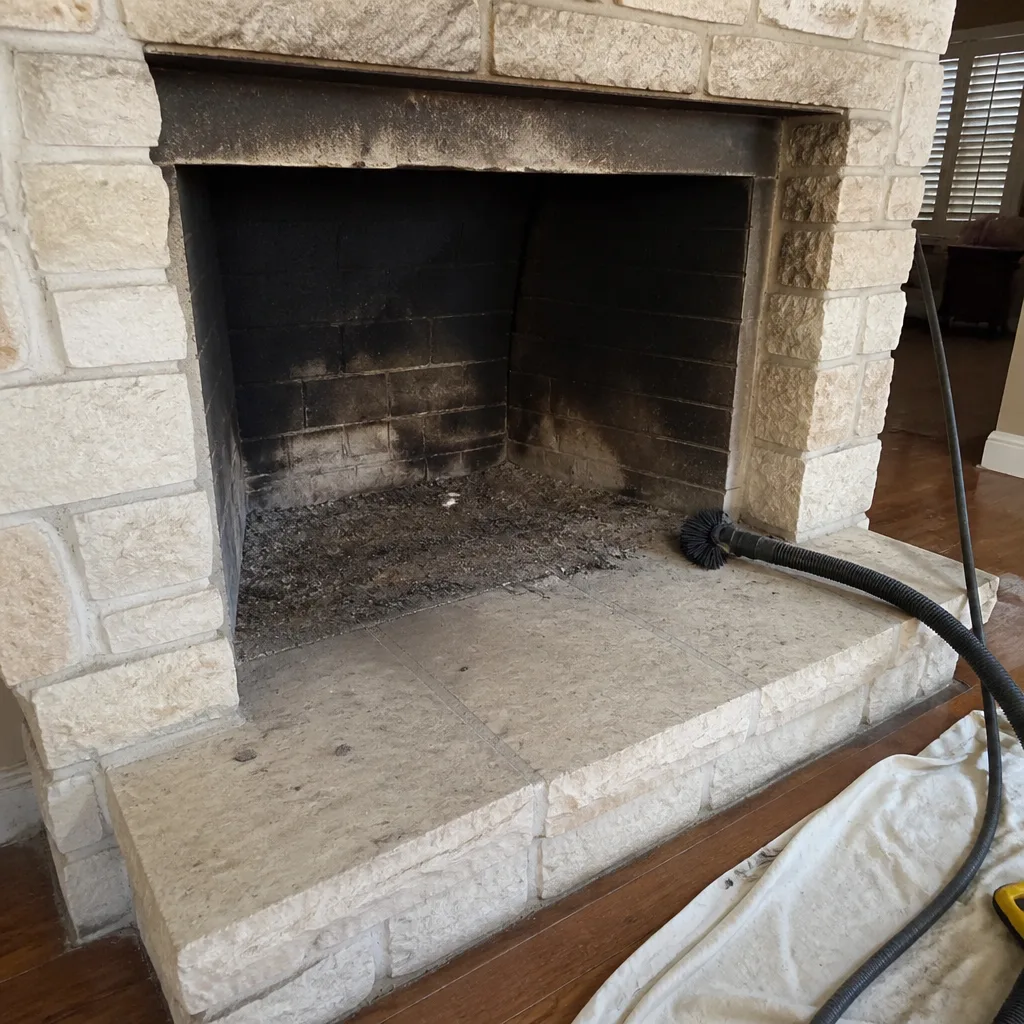
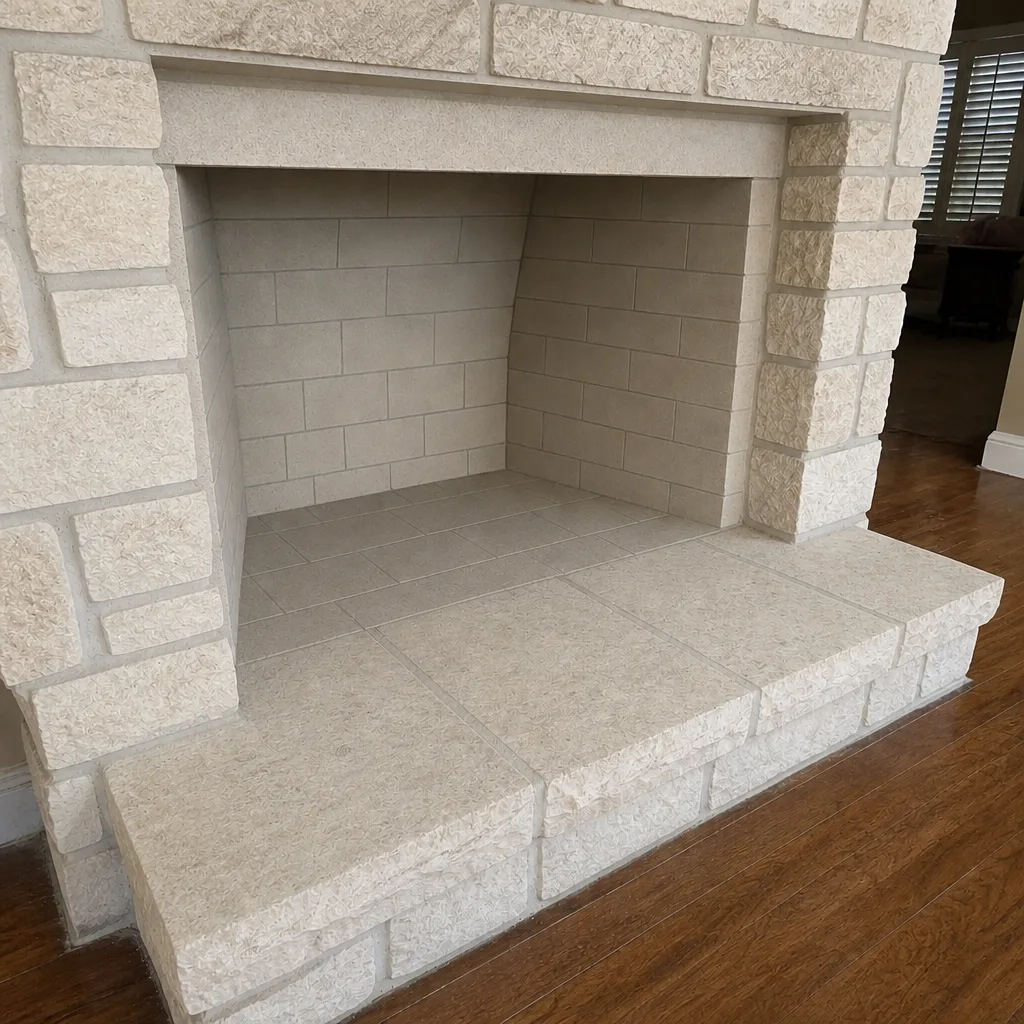
See the difference
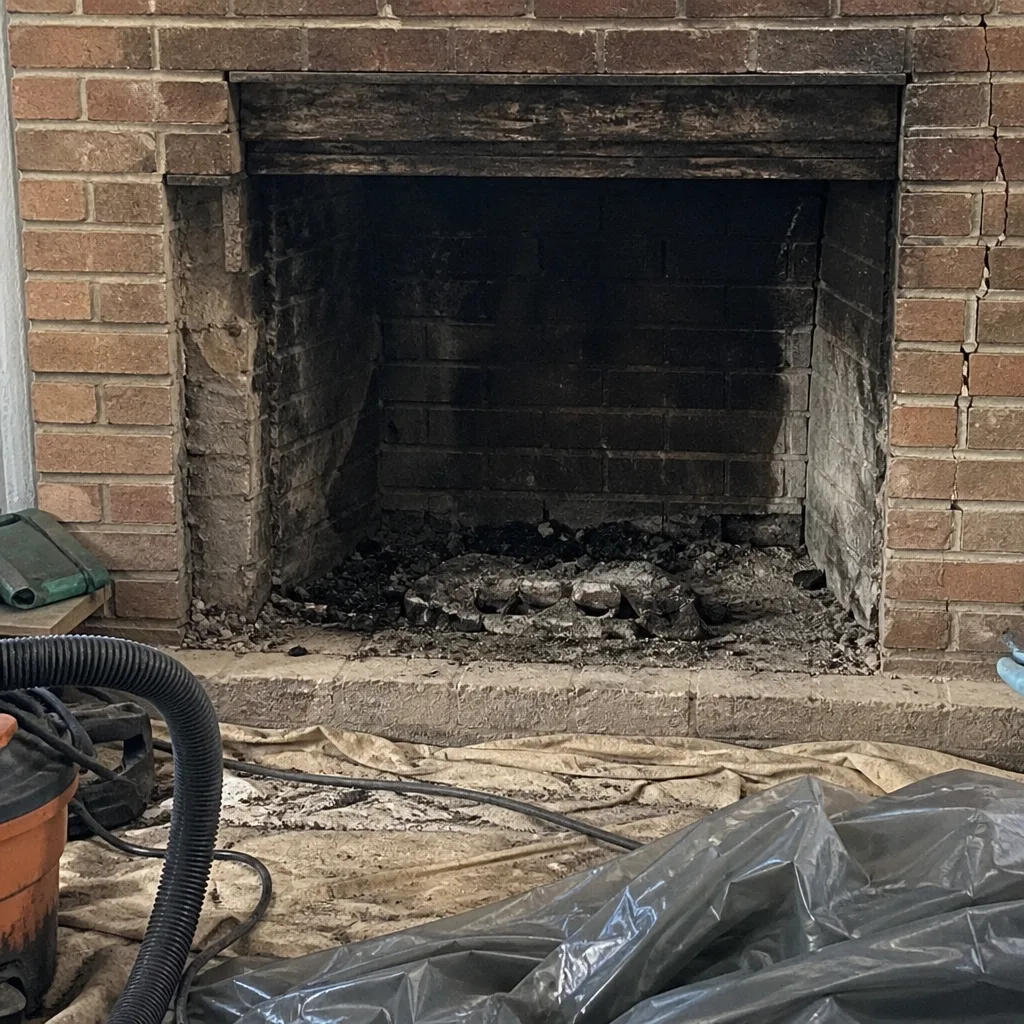 Before
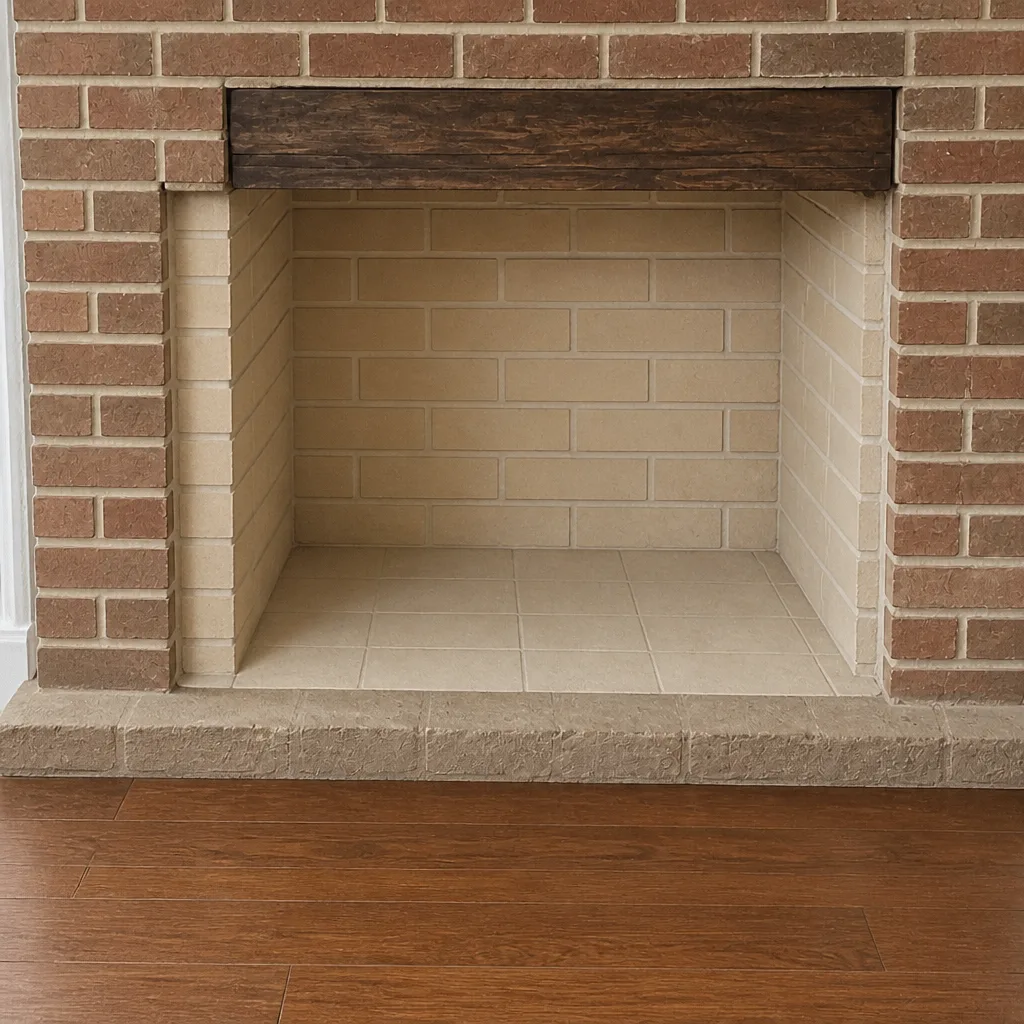 After
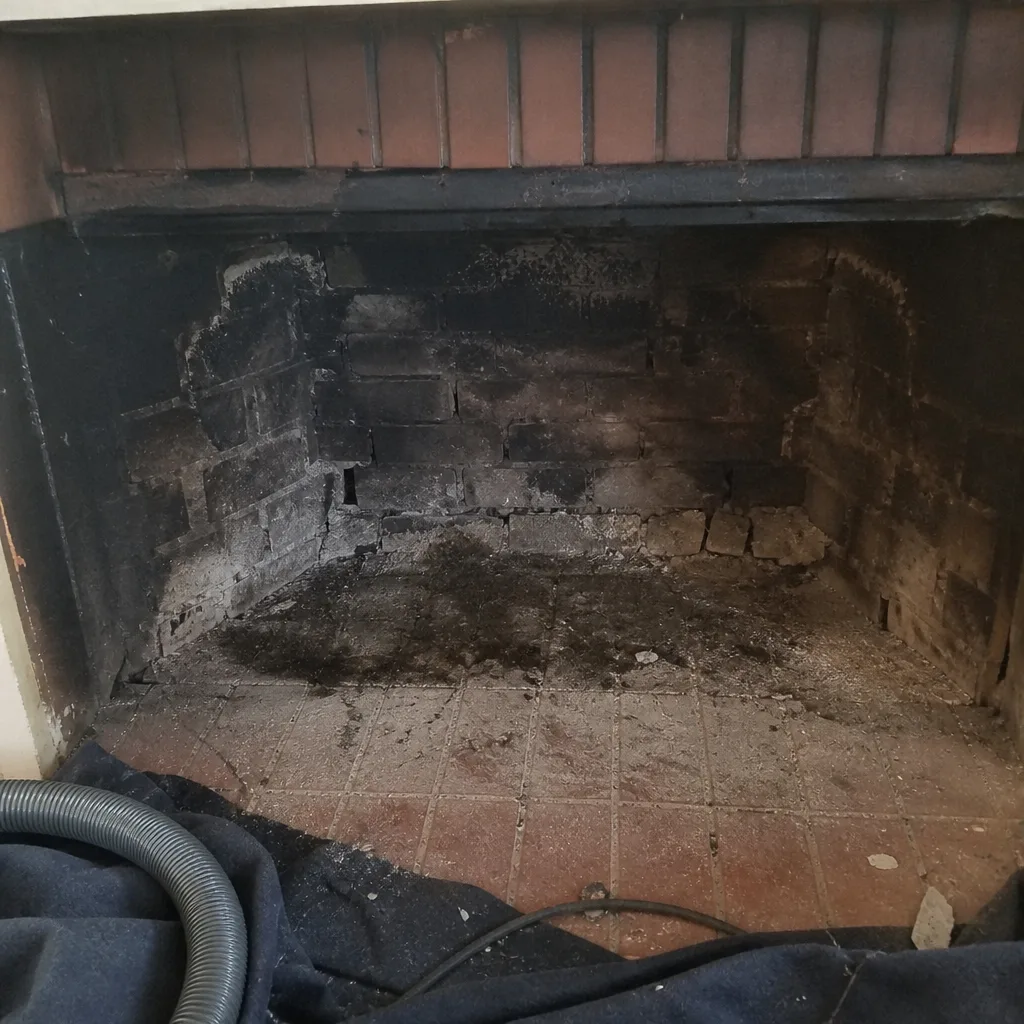 Before
 After
 Before
 After
When to Call a Professional
Some chimney issues are within a homeowner’s ability to check; others clearly need a professional. Call us if any of these apply: you notice smoke backing into the room or a strong odor from the fireplace; the damper won’t open or close cleanly; you see cracked or loose mortar on the exterior, or a tilted cap; there’s dampness or water staining near the firebox after a storm; it’s been more than a year since your last inspection and sweep; you have a gas fireplace you’ve never had looked at; or you’re heading into a real-estate sale that requires a certified inspection report. In any of these cases, don’t climb the roof or reach into the flue yourself. Chimney Sweep Gilbert offers free estimates in Gilbert. Call (866) 942-9144 to get on the schedule. We diagnose before we quote, and we’ll show you the camera inspection so you know exactly what you’re seeing.
Frequently Asked Questions
Once a year is the baseline for most wood-burning fireplaces, timed to your burn season and confirmed by inspection. Because Gilbert’s burn season is short, many homes don’t need a sweep every single year but should still have an annual inspection. The inspection tells you whether a sweep is needed. Call (866) 942-9144 for an exact quote; estimates are free.
Late September or early October, just before your first fire of the season, and again in March after your last one. The September visit catches wear from the summer idle period and monsoon storms; the March visit catches creosote and use-related wear. Both are worth having, but if you only do one, the September check matters most. Call (866) 942-9144 to book it; estimates are free.
They follow the same two-visit rhythm but with different inspection points. A gas fireplace doesn’t produce creosote the way wood does, so the focus is on venting, burners, and exterior components rather than a traditional sweep. Gas fireplaces are frequently never inspected, which is a common and avoidable gap. Call (866) 942-9144 to book a gas fireplace inspection; estimates are free.
Small issues stay hidden and grow. In Gilbert, that usually means sun- and monsoon-related wear on the crown, cap, or flashing going unnoticed, plus any debris or nesting in the flue after the idle months. Most of these are cheap to fix when caught early and larger when caught late. If it’s been a while, call (866) 942-9144; estimates are free.
Yes. Clearing what you can safely reach on the cap and confirming the damper opens and closes are reasonable homeowner checks, done with the fire out and never by climbing the roof. Flue sweeping, liner inspection, and any roof-level work need a professional. Call (866) 942-9144 if you’re unsure which category a task falls into; estimates are free.
Several ways. Long stretches of intense heat and sun dry out and crack the sealant around the flashing, expand and contract exterior mortar joints, and open the door to animal nesting in an idle flue. None of this is dramatic, but it accumulates over a summer. That’s why the September check looks specifically at sun and storm damage before the first fire. Call (866) 942-9144 to schedule that check; estimates are free.
The Bottom Line
The right chimney maintenance schedule in Gilbert is built around a short burn season and a long, hot, dry summer interruped by monsoon rain, not around a cold-climate winter. Two professional visits anchor the calendar: a March post-season check for creosote and use wear, and a September pre-season check for the sun and storm damage that accumulates during the idle months. Between those, a handful of simple homeowner checks on the cap, damper, and firebox keep you ahead of problems. Gas fireplace owners follow the same rhythm with different inspection points. And every recommendation should be backed by a camera inspection you can see for yourself, not a guess.
Ready to Get on Schedule?
If you’ve read this far, you know your Gilbert chimney deserves more than a once-a-year guess. Whether you’re due for your pre-season check, your post-season sweep, or a gas fireplace inspection you’ve never had, we can help. Chimney Sweep Gilbert handles sweeping, structural repair, and certified inspection as one accountable service, using trade-grade components from names like DuraFlex and HeatShield. Call (866) 942-9144 for a free estimate and to get on the schedule. We answer 24/7. Fast dispatch from 7am to 7pm, Sunday through Friday. We diagnose before we quote, and we’ll show you what we find.
Written by the team at Chimney Sweep Gilbert.