
Last updated November 16, 2026
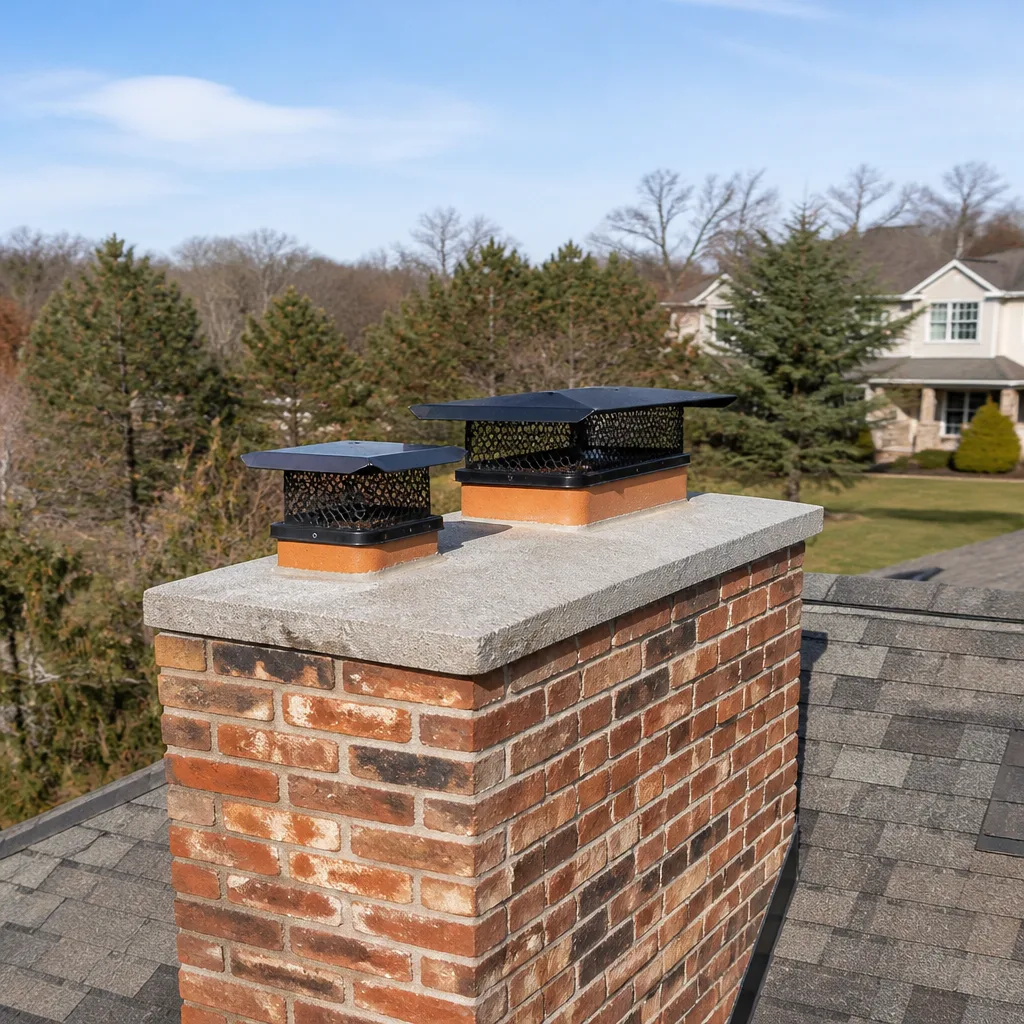 Sweep & inspection
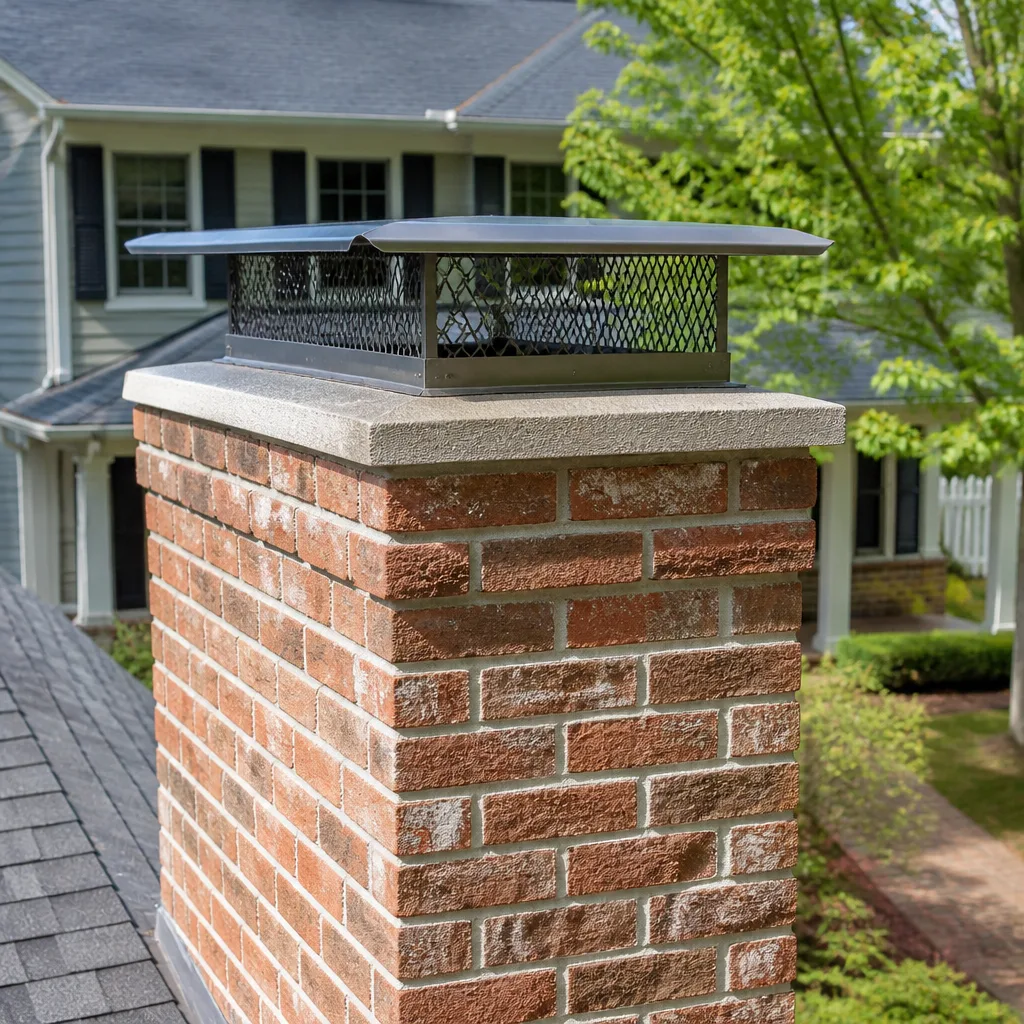 Caps & crowns
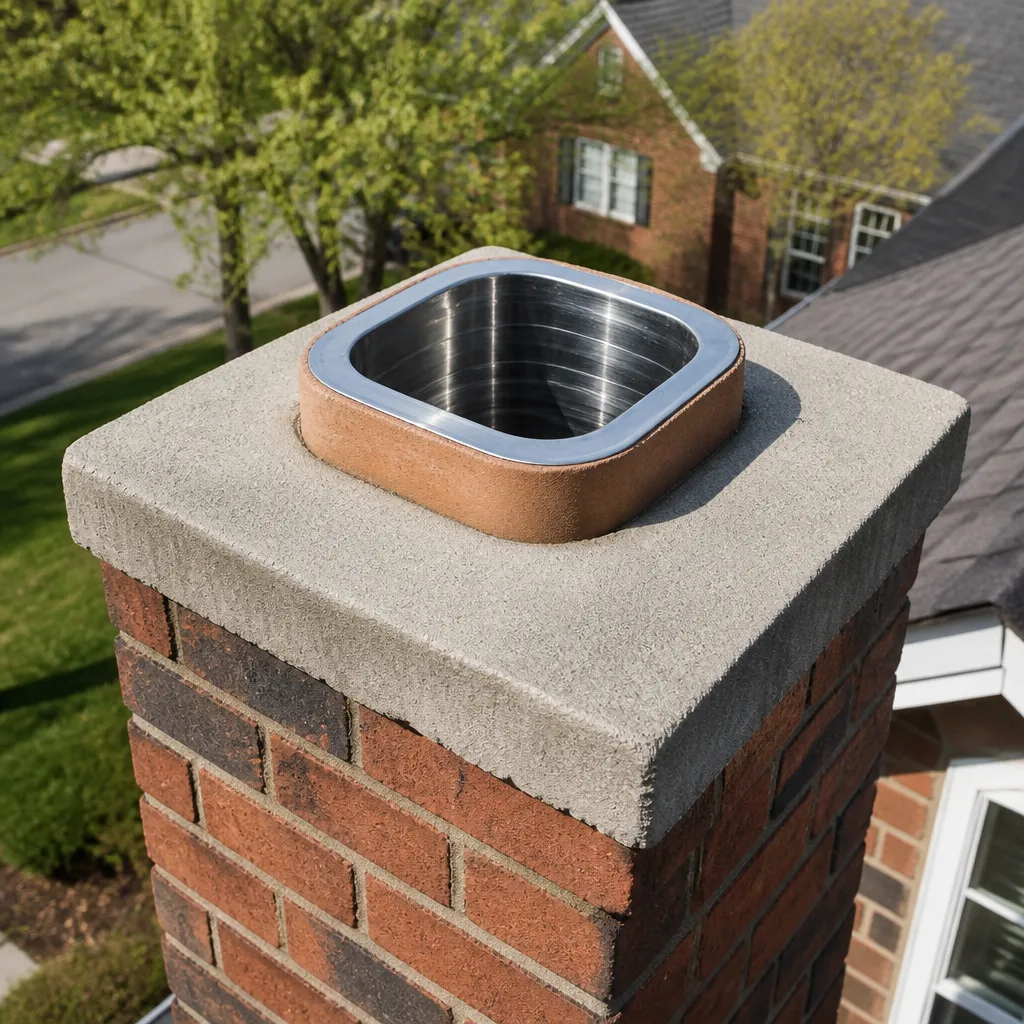 Flue relining
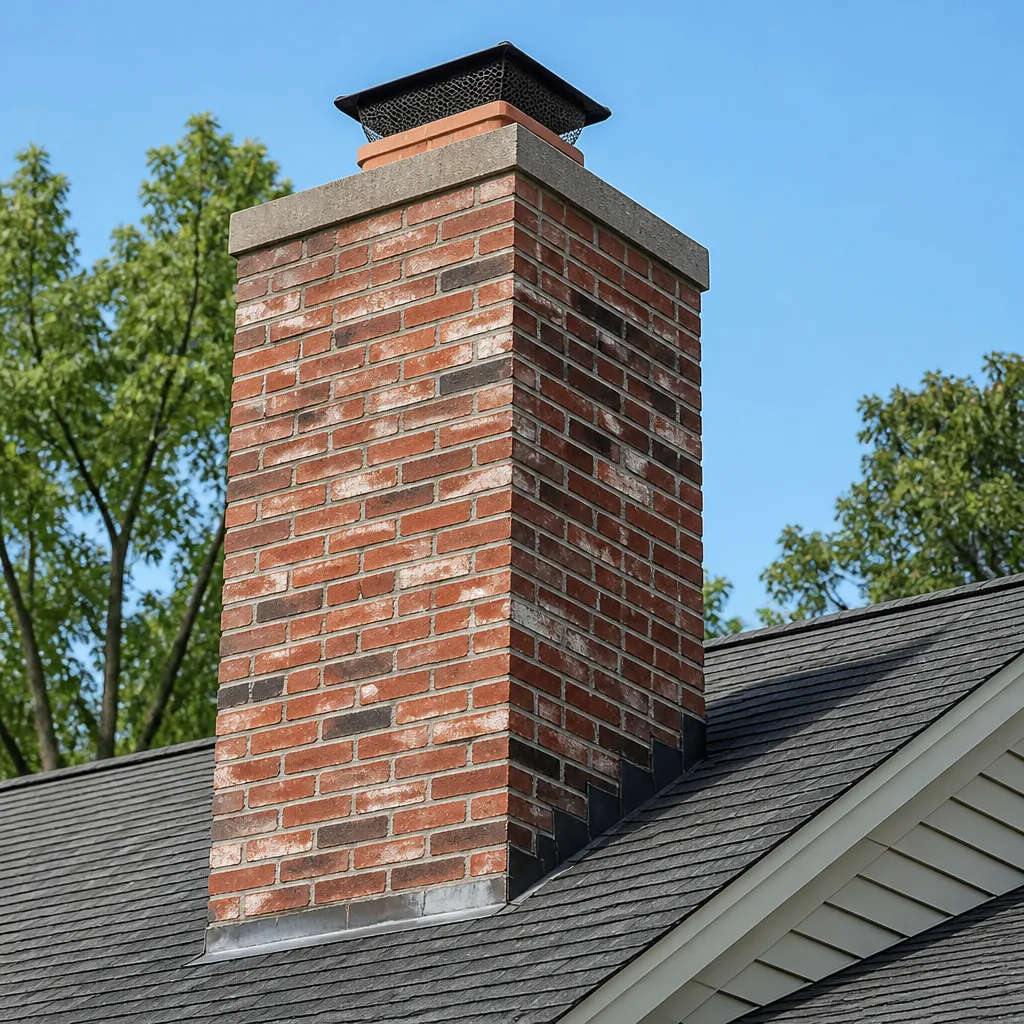 Masonry repair
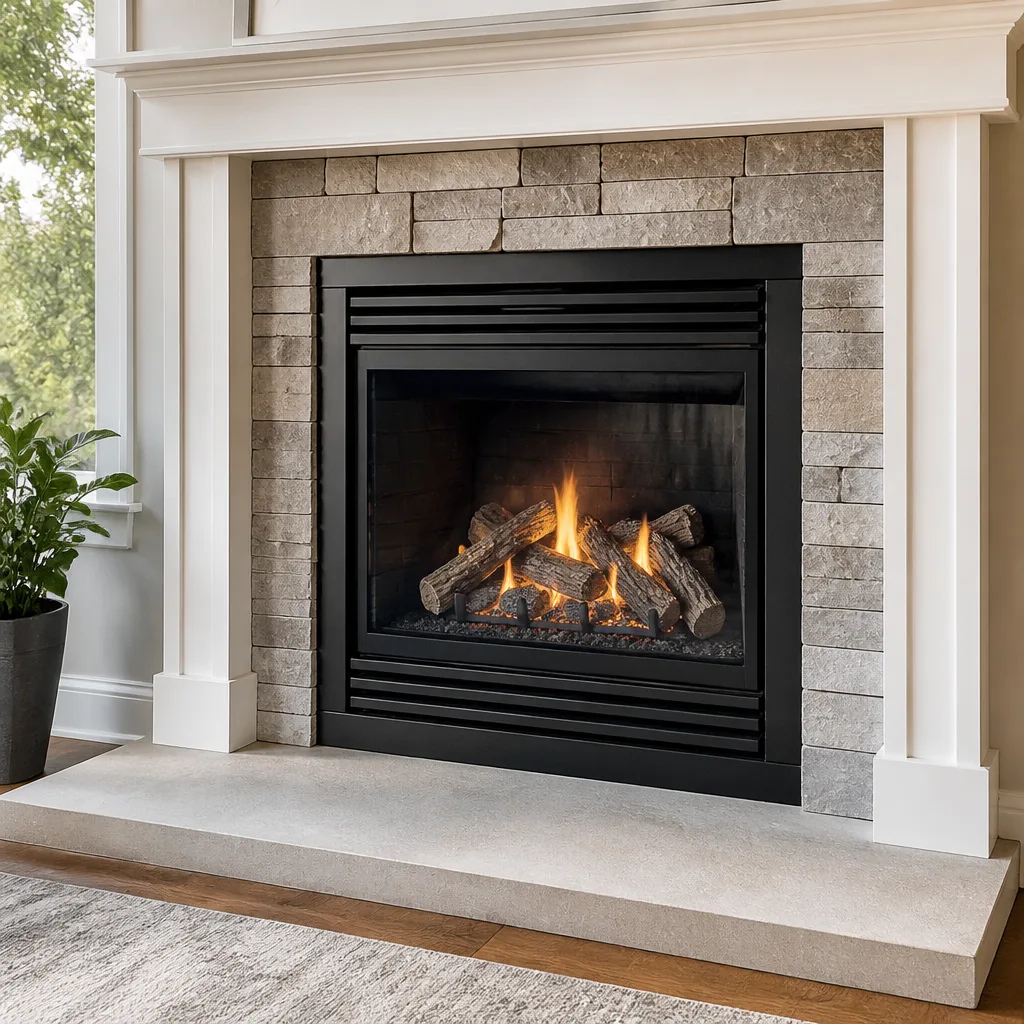 Gas fireplace service
Level 1 sweep and inspection to the NFPA 211 annual standard - flue, crown, cap, and flashing checked and photographed
Chimney sweep logs do not sweep chimneys. They loosen some creosote - which then falls where a brush and vacuum still have to collect it.
Chimney Sweep Troubleshooting in Gilbert: Common Problems and How to Fix Them
A smoky firebox in Gilbert is almost never about the fire itself. It’s usually a pressure problem. On a hot afternoon, a super-heated attic pushes air down the flue before the fire can reverse it, so smoke rolls into the room even when the chimney is structurally perfect. This guide maps the symptoms you’re actually seeing – white staining on the brick, a spalling cap, draft reversal, animal odor, a thin glazed layer instead of a thick creosote deposit – to their real root causes. You’ll learn what a Gilbert homeowner can safely check, what warrants a professional call, and why desert chimneys fail in ways that swamp the generic advice you find online.
Quick Answer
Most chimney problems in Gilbert fall into one of five categories: drafting issues tied to attic pressure and cold flues, moisture intrusion through the masonry or cap, creosote accumulation in infrequently used chimneys, animal and debris intrusion, and structural movement in stucco and masonry. Each symptom points to a specific cause. A professional inspection confirms the diagnosis before anything is quoted – and often a repair can wait, which is worth knowing before you spend money.
Styles & brands we work with
- Sweep & inspection
- Caps & crowns
- Flue relining
- Masonry repair
- Gas fireplace service
Table of Contents
- Why Your Gilbert Chimney Drafts Backward: The Cold Flue Problem
- White Staining on the Firebox Brick: What Efflorescence Really Means
- Spalling on the Chimney Crown and Cap: Arizona’s Heat Cycle
- Creosote in Low-Use Chimneys: Why Yours Glazes, Not Loads Up
- Animal Odor, Nests, and Debris in the Flue
- Smoke Rollout, Backdraft, and Pressure Problems
- Damper and Firebox Door Troubleshooting
- Cracks, Gaps, and When the Flue Liner Needs Attention
Why Your Gilbert Chimney Drafts Backward: The Cold Flue Problem
Your chimney has to be warmer than the outside air to pull smoke up. In Gilbert, the gap between flue temperature and outdoor temperature is bigger than it is in most of the country – and it flips in the wrong direction in a way most troubleshooting guides never address. Desert summers heat attic spaces far above ambient temperature, and the effect is real: the flue starts cooler than the surrounding pressure envelope, so it acts like a cold column of air pushing downward into the firebox. You light a fire, and instead of smoke going up, it comes into the room. This is what we call a cold flue, and it can happen in a chimney with no soot problem, no crack, and a perfectly sized flue.
The same phenomenon occurs on cool winter mornings after a night of no fire. The flue has cooled, the house has warmed, and the pressure differential tilts toward the living space. A fire that smokes on first light and then settles into a clean burn once the flue heats up is almost always a cold flue issue, not a structural failure.
What to Check First
- Open a nearby window a crack before lighting. This equalizes pressure and gives the smoke a path.
- Hold a lit rolled newspaper near the damper opening for 30 seconds before building the actual fire. Warm air rises and primes the flue.
- Confirm the damper is fully open – not half open, not blocked by debris.
- Check that the firebox isn’t overloaded. A too-large fire in a cold flue creates more smoke than the flue can move.
If those steps don’t resolve the backdraft, the cause is structural. Undersized flues, missing or damaged caps, competing exhaust fans, and negative pressure from a tightly sealed house all need a real inspection. We diagnose before we quote, and we tell you plainly when a pressure problem can be solved with a new cap or an adjusted flue versus something bigger. If your Gilbert home has a chimney that smokes consistently, that’s worth a scheduled chimney sweep and inspection before you try anything else.
White Staining on the Firebox Brick: What Efflorescence Really Means
White powdery staining on brick is efflorescence, and it means one thing: water is moving through the masonry and leaving mineral salts behind as it evaporates. The stain is the symptom, not the problem. In Gilbert, where our rain arrives in short, heavy bursts rather than long soaking seasons, efflorescence often appears on upper chimney sections and the firebox surround at the same time, which tells you the moisture source is likely above the roofline.
Efflorescence itself is harmless. The salt deposit is cosmetic. What it signals is that water is finding a path through the masonry, and left alone that path widens. Repeated wetting and drying cycles erode the mortar joints, open hairline cracks, and eventually reach the flue liner. A liner that stays wet will crack and spall from the inside out.
The Most Common Mistake
Sealing the brick before finding the moisture source. A masonry sealer painted over efflorescence traps water inside the wall and accelerates the damage. It looks fixed. It isn’t. The right sequence is always to trace the intrusion first – cap condition, crown, flashing at the roofline, mortar joints – repair that source, let the masonry dry, then decide whether a breathable sealer makes sense.
Fix It Yourself vs. Call a Professional
- DIY threshold: A small patch of efflorescence that reappears after rain on a lower wall can be brushed off and monitored. If it returns in the same spot within a season, the moisture source is active.
- Call a professional: Efflorescence anywhere above the firebox, on the chimney stack, or across multiple courses of brick. That’s a moisture intrusion diagnosis requiring inspection of the cap, crown, and flashing.
Efflorescence is one of the four symptoms our inspectors see most often on older Gilbert properties. It’s also one of the most fixable, provided the intrusion point is identified before anyone reaches for a bucket of sealer.
Spalling on the Chimney Crown and Cap: Arizona’s Heat Cycle
Spalling is when the surface of masonry or concrete flakes away in layers. Every chimney crown in Gilbert experiences it eventually. The reason is our number of dry, hot days versus cool nights. Concrete and mortar expand when they’re hot and contract when they cool. After enough cycles the outer layer gives up and peels. Add a monsoon downpour hitting a sun-baked crown and the differential is more extreme than most of the country deals with.
A spalling crown does two things at once: it sheds pieces of concrete onto the roof, and it opens the top of the chimney to water intrusion. That intrusion finds the flue liner, the damper assembly, and eventually the firebox ceiling. A failing crown is one of the most common causes of the efflorescence described above.
Signs the Crown or Cap Needs Attention
- Pieces of concrete or mortar on the roof below the chimney.
- Visible cracks wider than a hairline across the crown surface.
- A cap that’s loose, rusted, or missing a screen.
- Water stains on the damper or firebox ceiling after heavy rain.
- Daylight visible around the cap edges from inside the firebox.
Replacing a crown is a skilled masonry job. The crown needs proper slope away from the flue, correct bonding, and material that can handle thermal movement. We use manufacturers’ specified components – Gelco crowns, Famco dampers and caps, Copperfield accessories – because the fit is engineered rather than improvised. A cap from the hardware store often doesn’t sit flush on the flue, and a cap that doesn’t seal is worse than no cap at all. Cap replacement is one of the most common repair calls we handle as part of a chimney repair visit.
Creosote in Low-Use Chimneys: Why Yours Glazes, Not Loads Up
Creosote forms three ways depending on how a fire burns. In a heavily used chimney, you build up thick, sooty, flaky deposits that a sweep brushes out without much drama. In an infrequently used Gilbert chimney, the pattern is different. You light maybe twenty fires a season, the fire runs hot and fast, and the smoke that does travel up the flue deposits a thin, dense, glassy layer called glazed creosote. It looks minor. It isn’t. Glazed creosote is the hardest form to remove and the most flammable form there is.
This is a pattern most sweep-only competitors miss because they’re looking for volume of deposit rather than type. A chimney that looks “clean enough” from the firebox with a mirror can be lined with glazed creosote an inch thick on the flue walls. It’s an invisible risk until it ignites, and a chimney fire inside a glazed flue can reach temperatures hot enough to crack the liner.
What to Do About Glazed Creosote
- Schedule a professional sweep. Standard brushing knocks down sooty deposits but glazed creosote requires chemical treatment – a sweep who only brushes will tell you the chimney is clean when it isn’t.
- Have the flue inspected with a camera. We include a camera inspection and photo report with our sweeps so you can see the flue walls yourself, not just take our word for it.
- Adjust your fire-building habits. Smaller, hotter fires with seasoned wood produce less creosote than smoldering fires with green wood.
- Consider a moisture meter reading on your firewood. Seasoned wood reads lower than green wood and burns cleaner.
Glazed creosote is normal for a low-use desert chimney. It’s not a sign you’re doing something wrong. It’s a sign you need the right kind of sweep – one that treats the deposit type as seriously as the volume. That’s the standard our technicians work to, and it’s why we carry the treatment products a routine brushing kit doesn’t include.
Animal Odor, Nests, and Debris in the Flue
A strong animal odor in a cold firebox usually means something has been living in the flue or on top of the damper. Birds, squirrels, and occasionally bats find uncapped chimneys in Gilbert appealing – especially during the dry season when water is scarce and the flue opening looks like a sheltered cavity. The smell you notice is the residue left behind, and it doesn’t go away on its own.
The pattern of the odor tells you what you’re dealing with. A musty, ammonia-heavy smell during warm weather often points to bats. A dry, nesting-material smell with debris in the firebox suggests birds or squirrels. A strong, sharp, waste smell that intensifies with heat suggests an active nest that needs removal, not just a sweep.
What Not to Do
- Don’t light a fire to “burn out” the smell or the nest. Burning a birds’ nest or animal waste in a flue creates a smoke event inside the house and can ignite creosote deposits. It’s a genuine safety risk.
- Don’t reach into the flue to pull material out yourself. Nests and debris can sit on top of the damper frame or against a flue tile, and disturbing them without support can drop material into the firebox.
- Don’t spray air freshener into the firebox. It masks the smell without removing the source.
The right fix is a proper sweep and inspection, which removes the material, confirms the flue is clear, and checks that the cap hasn’t been damaged by the animal getting in – because an uncapped flue will attract the next tenant as soon as the first one leaves. A professionally fitted cap from Olympia Chimney is a manufacturer-spec screen that keeps animals out while allowing combustion gases to vent. This is one of the routine repairs we handle on Gilbert homes during a standard service call.
Smoke Rollout, Backdraft, and Pressure Problems
Smoke rollout is different from a cold flue in an important way. A cold flue rolls smoke when the fire is first lit and settles as the flue warms. A pressure-driven rollout happens throughout the burn, and it points to a house-level air balance issue or a structure issue rather than a temperature problem. In Gilbert’s newer construction – where homes are tightly sealed against summer heat – negative pressure is a real cause of chronic smoke rollout, and it’s the problem most likely to be misdiagnosed by someone looking only inside the firebox.
Common Pressure Causes
- Kitchen exhaust fans and bathroom vents. A powerful exhaust fan can pull more air out of the house than the chimney can replace, reversing the draft.
- HVAC return placement. A return near the fireplace can pull smoke into the room before the flue can direct it up.
- Tight house construction. Homes without an adequate makeup air path can’t supply enough air to feed combustion.
- Undersized flue for the firebox opening. The flue has to be sized relative to the firebox and the height of the chimney. A mismatch causes chronic backdraft.
- Adjacent taller structures or trees. Anything that creates a wind eddy across the cap can pull smoke back down.
What a Professional Can Do
We clarify the cause before recommending anything. A pressure test confirms whether the issue is environmental or structural, and if it’s a flue sizing problem, we can be honest about that too. Sometimes the answer is a new cap with a different wind profile. Sometimes it’s a flue extension or a damper adjustment. And sometimes it’s as simple as telling a homeowner to crack a window before lighting the fire – which costs nothing and solves the problem.
Damper and Firebox Door Troubleshooting
A damper that won’t open, won’t close, or won’t seal is one of the most common causes of both smoke rollout and heat loss. Gilbert homes are especially prone to damper problems because a damper sitting unused for most of the year can rust in place. In a dry climate you’d expect less corrosion, but heat inside a closed, uncapped flue can accelerate the cycle, and a damper that sat through a monsoon with a leaking cap can corrode hard over a single off-season.
Symptoms and Their Causes
- Damper stuck open: Rusted pivot, bent frame, or debris lodged behind the plate. Fixable with adjustment, or replaced if the frame is warped.
- Damper won’t stay open: Worn linkage. Fixable with replacement of the linkage, not the whole assembly.
- Damper closes but doesn’t seal: Warped plate or missing gasket. Bypasses the flue and wastes energy on gas fireplaces especially.
- Firebox door won’t latch: Worn hinge hardware or a warped frame. Matters most on gas inserts, where a door that doesn’t seal lets combustion gases vent into the room.
Damper replacement is a real job – the old assembly has to come out cleanly without cracking the firebox surround. We specify replacements that match the firebox opening, which is why we keep Gelco and Famco components in the options. A damper from a big-box store often doesn’t seat properly, and an improperly seated damper is one that won’t do its job. If your damper is giving you problems alongside a smokier-than-usual fire, that’s worth a check alongside your annual sweep.
Cracks, Gaps, and When the Flue Liner Needs Attention
A crack in the flue liner is the one problem on this page you can’t safely defer. The liner is what keeps combustion gases and heat inside the flue and away from the structure of the house. A hairline crack in a flue tile can widen over a season of thermal cycling, and once a gap opens, carbon monoxide has a path into the framing. This is not a scare tactic – it’s the reason a liner inspection is part of every thorough chimney check.
Gilbert liners fail in two main patterns. In older masonry chimneys, the tiles crack along their length from thermal movement or from a chimney fire that went unrecognized. In newer homes, the liner may be sized for a firebox that was later upgraded to an insert, which can put too much heat through an undersized flue. Both are fixable, and both require the liner to be properly specified rather than patched.
Signs the Liner Needs Attention
- Visible cracks or gaps in the flue tiles during camera inspection.
- Pieces of flue tile in the firebox or on the smoke shelf.
- White staining on the exterior of the chimney above the roofline alongside interior cracking.
- Corrosion or discoloration on the damper that suggests gases have been escaping inward.
Repair Options
Two paths exist for a compromised liner. HeatShield resurfacing restores a deteriorating flue from the inside – a rehabilitative process that re-creates the liner surface without a full rebuild, and a capability that sets us apart from sweep-only services. When the flue is too far gone for resurfacing, a DuraFlex flexible liner installs a full stainless replacement. The right path depends on the condition of the original flue, which is why the camera inspection comes first. We diagnose before we quote, and the written estimate sets the final price. If you’re concerned about a liner, a scheduled inspection is the starting point – and no repair is recommended without photographic evidence you can see for yourself.
Common Mistakes to Avoid
- Sealing brick before fixing the moisture source. This traps water inside the masonry and accelerates the damage you were trying to stop. Trace the intrusion to the cap, crown, or flashing first.
- Treating a cold flue as a structural failure. In Gilbert, a fire that smokes on first light and settles into a clean burn is a temperature problem, not a crack in the flue. Don’t authorize repairs before that distinction is made.
- Assuming low use means low risk. A fireplace that runs twenty times a season builds glazed creosote, which is more flammable than the sooty deposits in a high-use chimney. Annual inspection matters regardless of how many fires you light.
- Leaving the chimney uncapped. An uncapped flue attracts birds, squirrels, and bats, and the smell of the last tenant lingers long after the animal is gone. A proper manufacturer-spec cap from Olympia Chimney is one of the cheapest fixes on this list.
- Installing a cap or damper that doesn’t fit. A cap that sits off-center on the flue, or a damper that doesn’t seat, is worse than leaving the problem unaddressed. Fit is engineered, not improvised.
- Skipping the camera inspection. A visual check at the firebox only sees the bottom third of the flue. Request the camera report so you can see what the inspector is seeing.
- Using a general handyman for a chimney problem. Chimneys fail in trade-specific ways, and the right materials – HeatShield for resurfacing, DuraFlex for relining – matter. A generalist with a brush may not recognize glazed creosote or a compromised liner.
See the difference
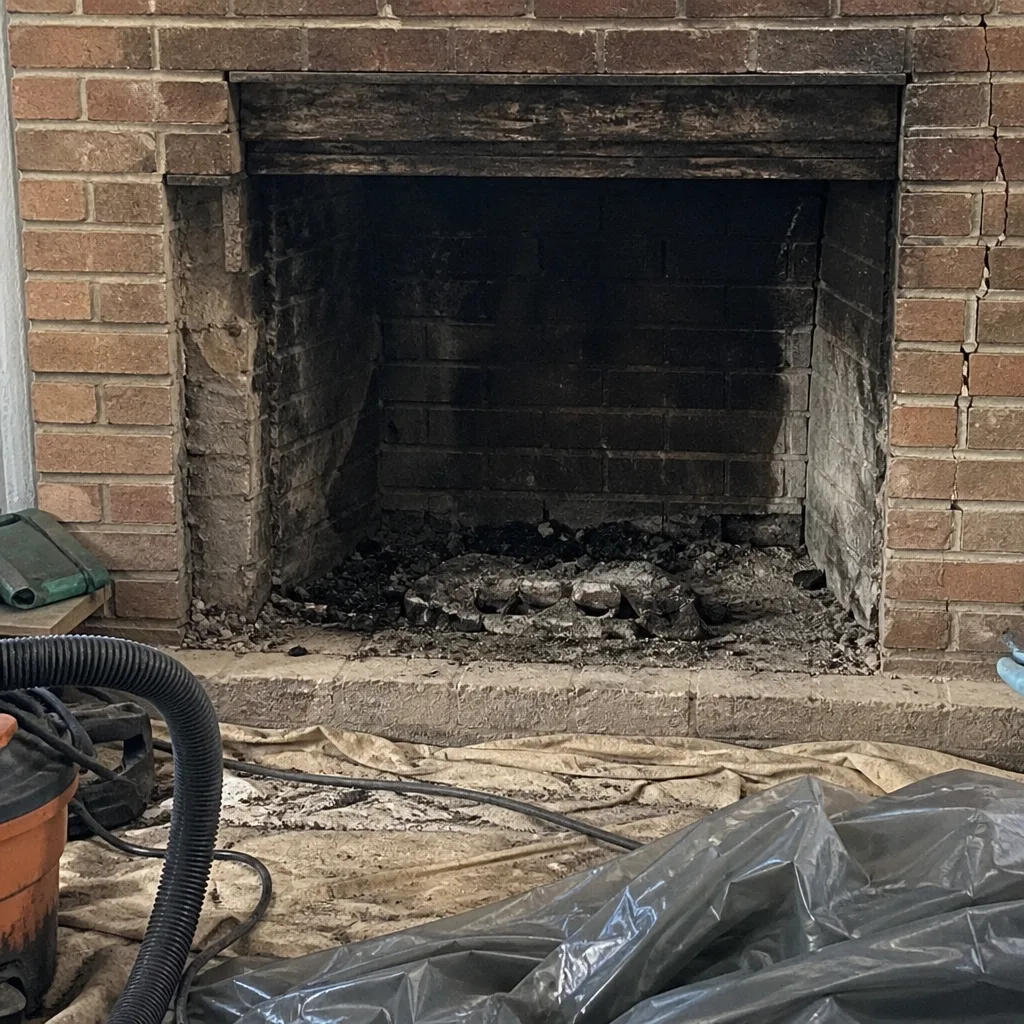 Before
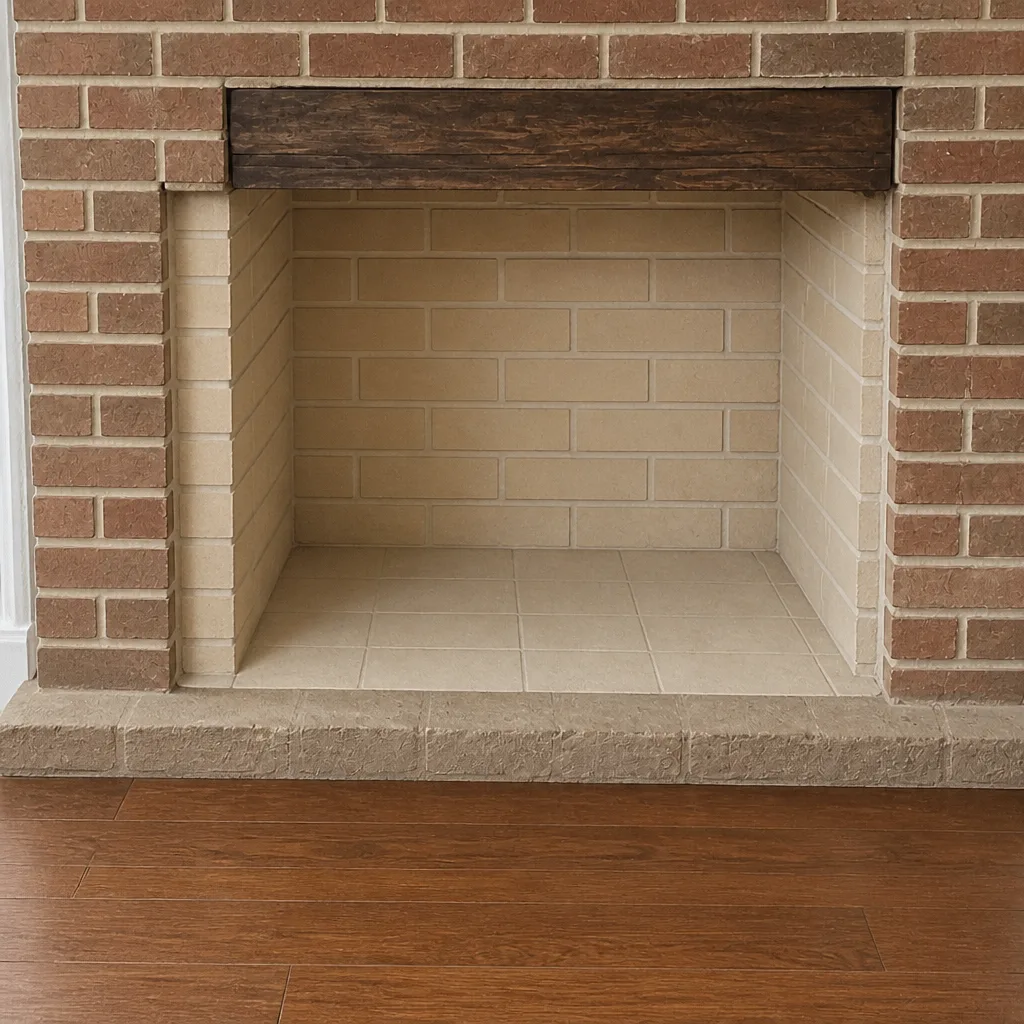 After
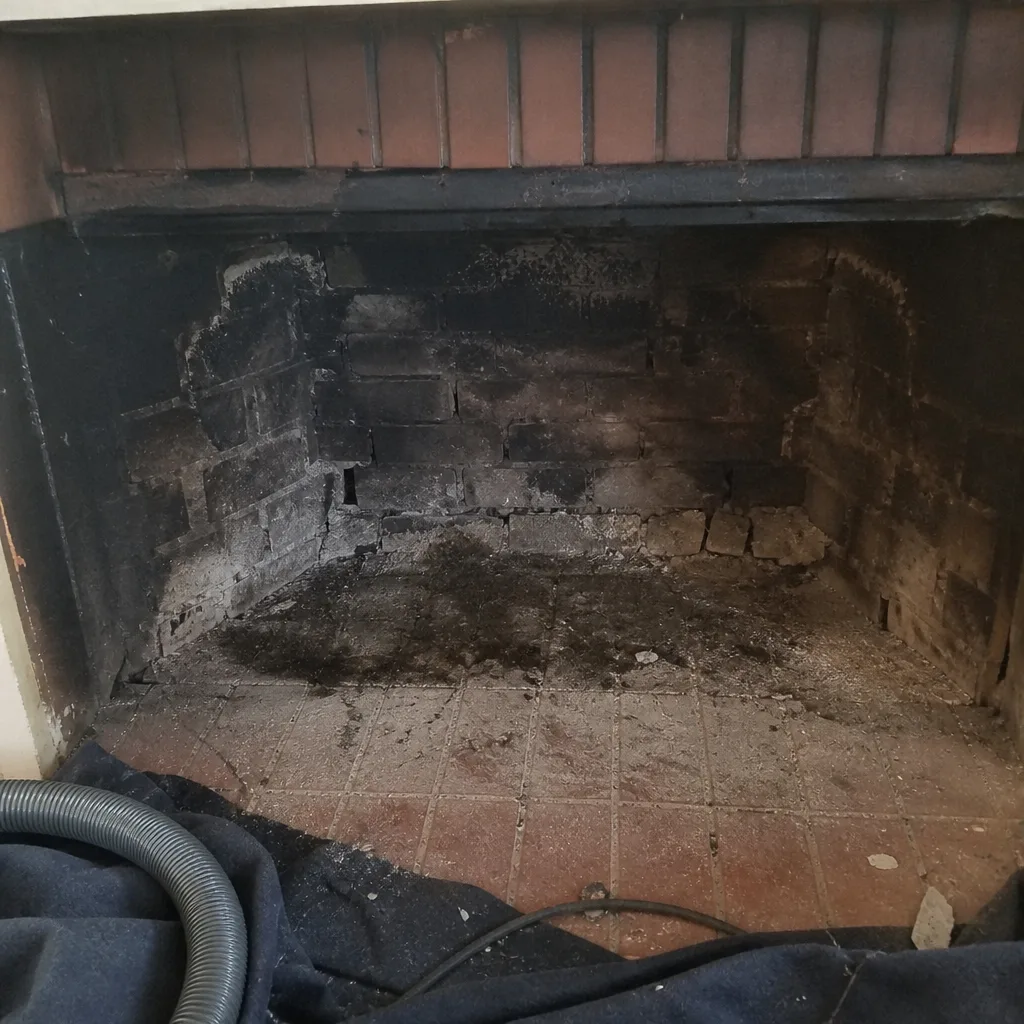 Before
 After
 Before
 After
When to Call a Professional
Call a professional the moment any of these appears: a strong animal odor you can’t trace, cracks visible in the firebox or damper, smoke rollout with every fire regardless of the window trick, white staining on the upper chimney, a cap that’s loose or missing, or a damper that won’t open. Those are the signs that need a trained eye and a camera inspection before anyone recommends a repair. Every spring before burning season is the other time – a scheduled sweep clears the off-season’s accumulation and confirms the flue is clear heading into the cooler months. Chimney Sweep Gilbert offers free estimates in Gilbert. Call (866) 942-9144. We answer 24/7. Fast dispatch from 7am to 7pm, Sunday through Friday. Our technicians have up to 14 years of experience across sweep, repair, and inspection work, and the same team handles your initial diagnosis and the finished repair.
Frequently Asked Questions
Most often a cold flue, where the flue temperature starts lower than the surrounding air pressure, pushing smoke downward into the room before the fire reverses the draft. Super-heated attic air in a desert home can amplify this. Open a nearby window a crack and prime the flue with a lit newspaper before building the fire – if it settles into a clean burn, the flue is fine. If smoke continues through the burn, the cause is structural. Call (866) 942-9144 for an inspection – estimates are free.
White powdery stains are efflorescence, which means water is moving through the masonry and leaving mineral deposits behind as it evaporates. It’s cosmetic on its own but signals active moisture intrusion, usually from a cracked crown, damaged cap, or failing flashing at the roofline. Sealant applied over efflorescence traps the water inside and makes the damage worse. A camera inspection confirms the source. Call (866) 942-9144 for an exact quote – estimates are free.
Yes – low use in Gilbert produces glazed creosote, a thin, dense, glassy layer that’s more flammable than the sooty deposits in a high-use chimney. A sweep who only brushes may report the chimney as clean when glazed deposits remain. Annual inspection verifies the deposit type, not just the volume. Our technicians have up to 14 years of experience identifying the difference. Call (866) 942-9144 to schedule a sweep – estimates are free.
At least once a year, and always before burning season begins. If you’ve had a chimney fire, a structural event like roof damage near the chase, or a change from wood-burning to gas, you need an inspection regardless of the annual calendar. A camera inspection or a real-estate transaction inspection confirms the flue’s condition and produces a photo report you can keep. A sweep is a booked appointment, and if a call comes outside dispatch hours it’s booked into the next opening. Call (866) 942-9144 – estimates are free.
That depends entirely on a camera inspection. A liner with localized deterioration can sometimes be rehabilitated through HeatShield resurfacing, restoring the flue interior without a full rebuild. A compromised or undersized liner usually calls for a DuraFlex flexible liner replacement. The two paths are not interchangeable, and we won’t quote a replacement without showing you the photographic evidence. Call (866) 942-9144 for an exact quote – estimates are free.
Birds, squirrels, and occasionally bats – the flue opening looks like a sheltered cavity, especially during the dry season. The odor lingers after the animal leaves. Never light a fire to burn out the nest, since burning nesting material inside a flue creates a smoke event and can ignite creosote. A professional sweep removes the material, confirms the flue is clear, and installs a manufacturer-spec cap from Olympia Chimney to prevent the next tenant. Call (866) 942-9144 – estimates are free.
The Bottom Line
Chimney problems in Gilbert follow predictable patterns that a homeowner can learn to recognize. A smoky fire on first light is usually a cold flue, not a crack. White staining on upper brick is almost always moisture intrusion, and sealing it before finding the source makes it worse. Low-use chimneys build glazed creosote; that’s normal here and needs a sweep who knows the difference. A spalling crown, animal odor, stuck damper, or visible crack in the firebox each points to a specific cause and a specific threshold for calling a professional. Cracks in the flue liner aren’t something to defer. One company handles sweep, repair, and inspection, with trade-grade materials from suppliers most generalists don’t use, so the diagnosis and the fix come from the same team. When in doubt, get the camera inspection before you authorize any repair – that’s the standard we hold ourselves to.
Ready to schedule a sweep or inspection? Call Chimney Sweep Gilbert at (866) 942-9144 for a free estimate. We answer 24/7. Fast dispatch from 7am to 7pm, Sunday through Friday. Trade-grade materials, one accountable team from first inspection to finished repair.
Written by the team at Chimney Sweep Gilbert.