
Last updated November 16, 2026
 Sweep & inspection
 Caps & crowns
 Flue relining
 Masonry repair
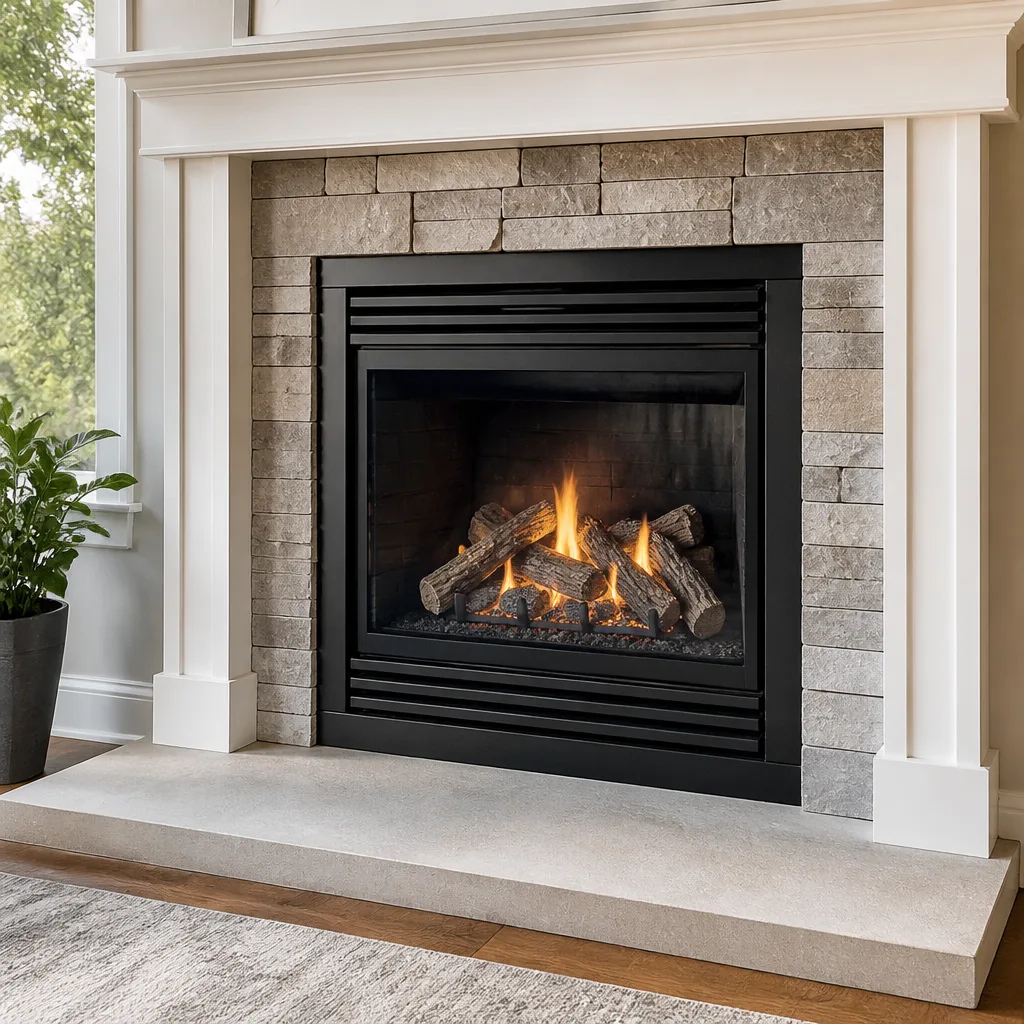 Gas fireplace service
Level 1 sweep and inspection to the NFPA 211 annual standard - flue, crown, cap, and flashing checked and photographed
Chimney sweep logs do not sweep chimneys. They loosen some creosote - which then falls where a brush and vacuum still have to collect it.
Chimney Sweep Maintenance Checklist for Gilbert Homeowners
Most chimney checklists floating around the internet were written for houses that spend four months under snow. They tell you to clear ice from the cap, watch for frost heave, and schedule everything around a hard freeze. None of that fits a Gilbert home. What actually damages a chimney here is a different set of forces: nine months of sun baking the masonry, a monsoon season that throws wind-driven rain sideways into a cap screen already packed with dust, and a summer habit of leaving the damper open that quietly eats away at the flue. This guide lays out a maintenance calendar built around Gilbert’s real seasons, separates what you can safely check yourself from what needs a certified sweep, and explains why the chimney cap screen is the single most skipped, most consequential item on the list.
Quick Answer
A Gilbert chimney should be swept and inspected once a year, with the annual sweep timed for late October or early November so the flue is clean before burn season begins. On top of that yearly visit, homeowners should do a short self-inspection in May before monsoon season and again in September after it passes, focusing on the cap screen, crown, flashing, and damper. Schedule a professional inspection any time you see cracked masonry, a loose cap, water staining inside the firebox, or if you’ve never had the chimney looked at.
Styles & brands we work with
- Sweep & inspection
- Caps & crowns
- Flue relining
- Masonry repair
- Gas fireplace service
Table of Contents
- Why Gilbert Chimneys Age Differently
- The Gilbert Chimney Calendar: Month by Month
- The Cap Screen: Gilbert’s Most Skipped Item
- Five Things You Can Check Yourself
- Six Things That Require a Certified Sweep
- Damper Function and the Summer Ventilation Trap
- What Good Looks Like: Crown, Cap, and Flashing
- Common Mistakes to Avoid
- When to Call a Professional
Why Gilbert Chimneys Age Differently
Gilbert sits in the lower Sonoran Desert, and that changes the wear pattern on a chimney in ways a cold-climate guide never addresses. The problem here isn’t freeze-thaw. It’s thermal cycling: the daily swing between a desert afternoon and a desert night, repeated across hundreds of days, works masonry, mortar, and sealant joints in a slow expansion-and-contraction rhythm. Over enough seasons, that movement opens hairline cracks in the crown, loosens flashing, and lets the cap settle out of level.
Monsoon season adds a second pressure. From roughly late June into September, storms arrive with strong winds and brief, heavy rain that hits at a low angle. A chimney cap and screen that look fine in calm weather become the front line against that incoming water. When the screen mesh is clogged with dust, pollen, and fine desert grit, it can’t shed the rain, and the water finds its way down the flue instead of running off.
Then there’s the burn season itself. Gilbert’s wood-burning months are short and mild compared with the mountains, but they still concentrate creosote production into a compressed window. A flue that stays cool between fires tends to build glazed creosote faster, and that’s the deposit a brush has the hardest time removing. It’s why the annual chimney sweep should happen before the season, not after, so you’re burning into a clean flue rather than starting the season with last year’s residue still in place.
Understanding these three forces – thermal cycling, monsoon wind and rain, and a short concentrated burn season – is the key to building a maintenance checklist that fits Gilbert rather than a generic national template.
The Gilbert Chimney Calendar: Month by Month
Forget the standard “call in the fall” advice that gets repeated everywhere. A Gilbert chimney benefits from attention at three distinct points in the year, with a lighter touch mid-season. Here’s how the calendar actually lines up.
May: Pre-Monsoon Prep
- Look at the cap screen from the ground or a safe ladder position. Remove visible debris and check for torn mesh or a bent frame.
- Walk the roof line visually (from a distance is fine) for cracks in the crown or loose flashing.
- Confirm the damper closes fully. If it doesn’t seal, monsoon humidity can enter the flue.
- Clear any vegetation or debris that has accumulated against the exterior chimney chase.
September: Post-Monsoon Inspection
Once the storms pass, this is the most valuable time of year to look closely. Monsoon winds are what knock cap screens loose and push rain into places where it can do damage. Check for:
- Cap screen integrity: mesh torn, frame bent, or the whole cap shifted out of level.
- Water staining inside the firebox or on the smoke chamber walls.
- Mortar joints on the exterior that look eroded or sandy after the wet season.
- Rusted or corroded cap components, especially on older units.
November: Pre-Burn Readiness
This is when the annual professional sweep and inspection should be booked. Do it before the first fire, not after. A clean, inspected flue means you’re burning into a verified safe system all season. Book early in the month; the weeks just before the first cold snap are the busiest of the year for any Gilbert chimney company.
January: Mid-Season Check
A quick, non-technical look at mid-season keeps small issues from becoming big ones. Confirm the damper is opening and closing smoothly, watch for smoke rolling out of the firebox instead of up the flue, and listen for any new rattle or draft noise from the cap area. If the fire draws poorly, stop using it and have it looked at.
The Cap Screen: Gilbert’s Most Skipped Item
If there’s one item on every stock chimney checklist that Gilbert homeowners skip, it’s the chimney cap screen. A cap with intact mesh does two jobs at once: it keeps animals out of the flue and it keeps wind-driven rain from funneling straight down into the chimney. Desert wildlife – birds, squirrels, and the occasional raccoon – treat an open flue as prime real estate, and a torn screen is an open invitation. Nesting material in a flue is both a draft problem and a fire hazard.
So why does it get skipped? Because the cap sits at the top of the roof, out of sight, and it doesn’t fail with any drama. It fails quietly. The mesh slowly corrodes or tears, the frame warps, and the first sign is often water in the firebox or a strange scratching sound that turns out to be birds. By the time a homeowner notices, the damage is already done.
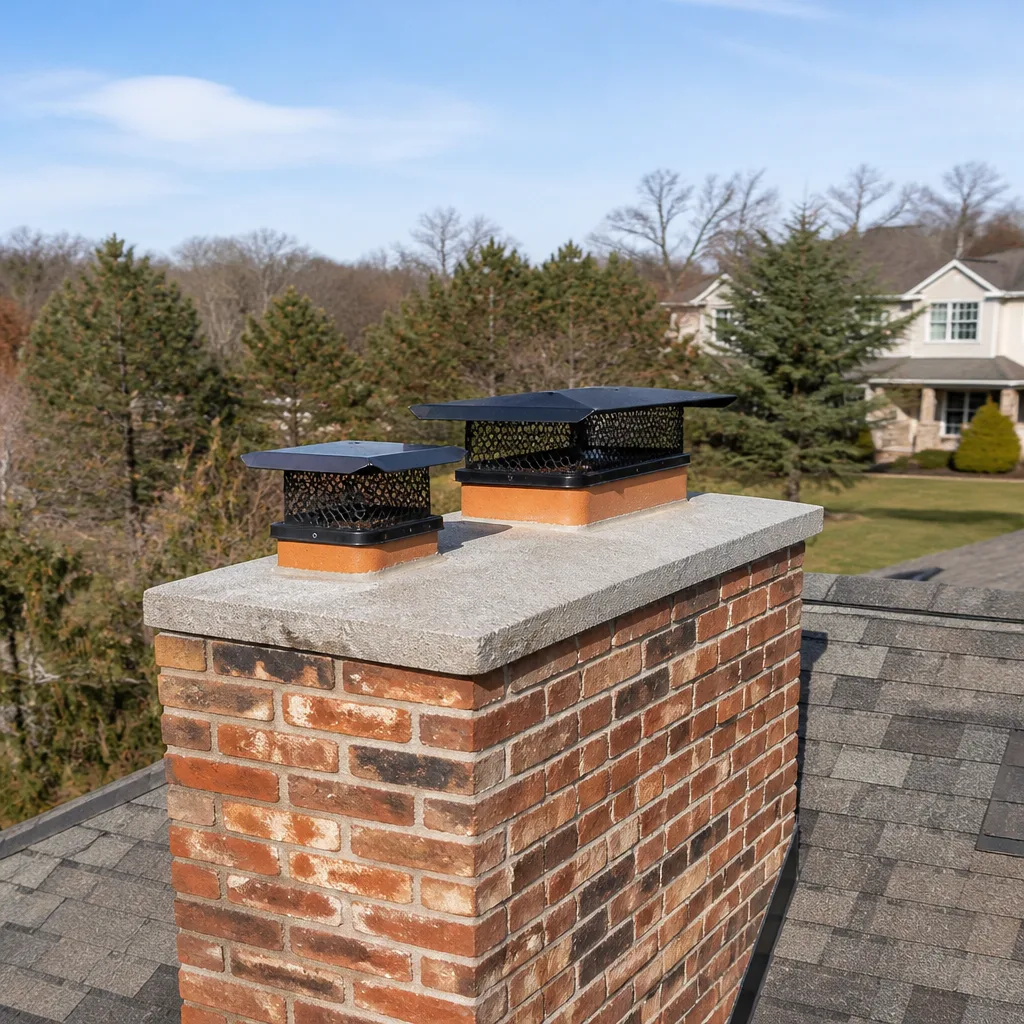
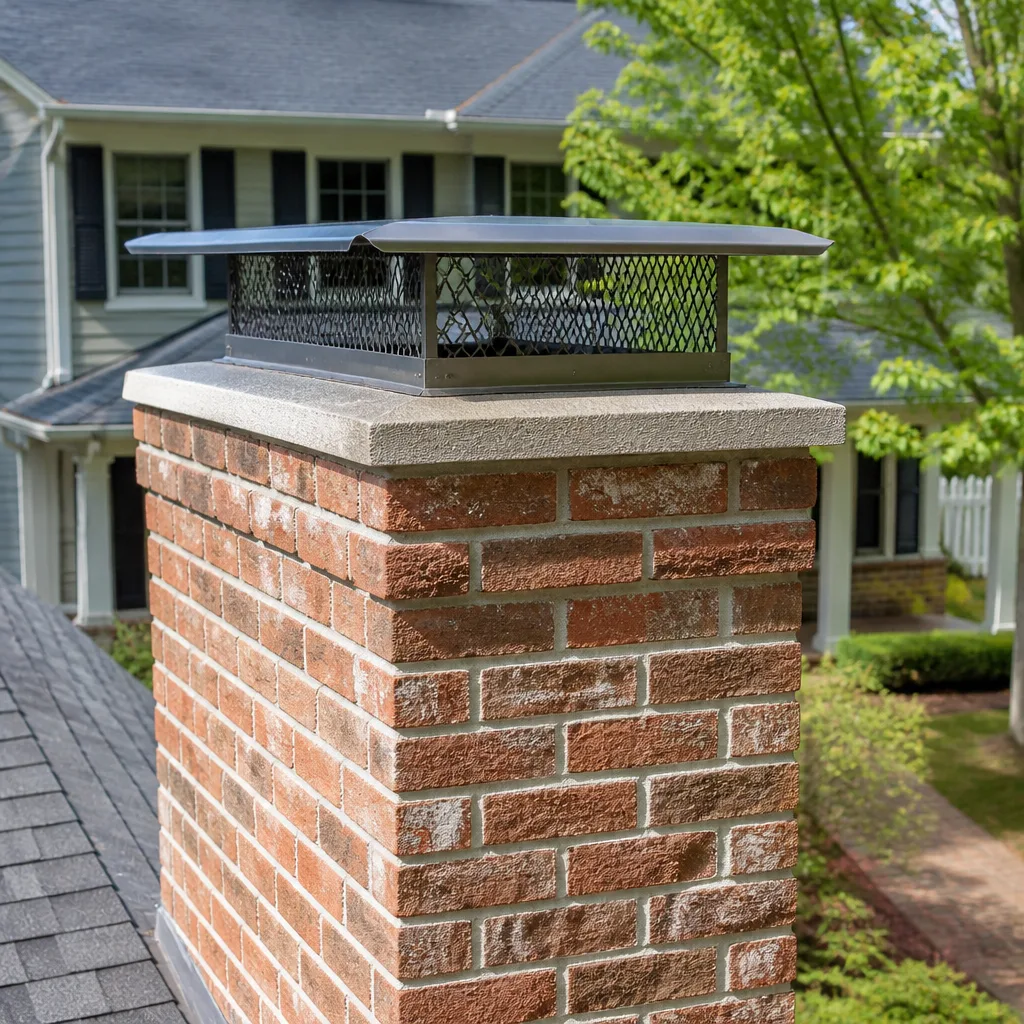
What a healthy cap screen looks like: continuous, evenly tensioned mesh with no gaps at the frame, a cap body that sits flat and level on the flue tile or chase, and no rust streaks down the sides. What early failure looks like: a sag in the mesh, a gap between the screen and the cap body, or a cap that’s visibly tilted. Any of those means water and animals have an entry point.
Replacing a damaged cap screen is a small job, and it’s the kind of work we do with components specified correctly for the flue – a Copperfield or Olympia Chimney cap sized to the actual flue opening rather than a universal hardware-store fit. When we’re on a chimney sweep visit, the cap is one of the first things we look at, because it’s the cheapest point of failure to fix and the most expensive to ignore.
Five Things You Can Check Yourself
A homeowner with a flashlight and a little patience can safely inspect several items without touching the flue or the roof. These five checks take maybe fifteen minutes and catch the majority of developing problems.
- The cap screen from the ground. Use binoculars if you have them. Look for tears, gaps, or a tilted cap. You don’t need to climb onto the roof – just look up and note what you see.
- Inside the firebox. With a flashlight and the damper open, look for water staining, crumbling mortar on the firebrick, or flakes of creosote. Staining means water is getting in somewhere.
- Damper operation. Open and close the damper fully by hand. It should move smoothly and seat flat when closed. A sticking or partially open damper is a red flag.
- Smoke draw. With a small fire, watch whether smoke goes up the flue or rolls out into the room. Rolling smoke points to a blockage or a draft problem.
- Exterior condition from the ground. Look at the chimney chase, mortar joints, and the crown (the sloped top). Cracks, sandy mortar, or missing chunks are all things to report.
None of these require you to touch the flue liner, open the chimney from the roof, or reach into the smoke chamber. Those are the jobs for a sweep, and they’re the ones where a ladder and a trained eye matter.
Six Things That Require a Certified Sweep
There’s a reason professional chimney work exists. Six items on any complete checklist cannot be done safely or correctly by a homeowner, and a Gilbert chimney company checks all six every visit.
- Sweeping the flue. A proper sweep uses brushes sized to the flue and runs the full height, including the smoke chamber and smoke shelf. Doing this from the top of a roof is genuinely dangerous, and doing it from the bottom without the right brushes leaves creosote behind.
- Video inspection of the liner. A camera run down the flue reveals cracks, gaps, and offsets that are invisible from either end. This is how a sweep confirms whether a liner is sound.
- Crown and masonry assessment. Judging whether a crown is a surface issue or a structural one, and whether mortar joints need repointing, requires trade experience.
- Flashing inspection at the roof line. Flashing is where the chimney meets the roof, and it’s the number one source of roof leaks around a chimney. Assessing it means getting on the roof safely.
- Liner evaluation and relining. If a liner is cracked or compromised, resurfacing with HeatShield or a full reline with a DuraFlex flexible liner system is a job for a trained installer.
- Pre-sale and real-estate inspections. A transaction-grade chimney inspection follows a specific scope and produces a report a buyer and lender can rely on.
What separates a real chimney specialist from a generalist with a brush is having the tools for all six. Our own scope covers sweeping, repair, and inspection with the same team, so nothing gets handed off. Our technicians have up to 14 years of experience, and we diagnose before we quote – which means we show you the camera findings before recommending anything.
Damper Function and the Summer Ventilation Trap
Here’s a Gilbert-specific behavior that quietly wears out flues: leaving the damper open all summer for ventilation. It makes a certain kind of sense. An open damper pulls a little airflow through the house during the hottest months, and in a dry climate the draft can feel refreshing. The problem is what that open damper is doing to the flue.
An open damper lets warm, humid monsoon air travel up and down the flue all summer. That air carries moisture, and moisture combined with the residues of past fires creates conditions that accelerate deterioration of the liner surface. A metal liner can corrode; a clay tile liner can crack as it expands and contracts with the moisture cycle. Over a few summers, a flue that would have lasted decades can start showing damage.
The fix is simple: keep the damper closed when you’re not using the fireplace. If you want summer ventilation, use a window or a whole-house fan, not the chimney. Test the damper in May, confirm it seats flat, and then leave it shut until the first fire of the season.
Damper testing matters for another reason. A damper that doesn’t close fully – because of a bent frame, debris, or a worn gasket – is a slow leak of conditioned air out of the house and a slow leak of moisture into the flue. If it doesn’t seal, it needs attention. A replacement damper sized correctly for the flue, using components like a Copperfield or Olympia unit, restores the seal.
What Good Looks Like: Crown, Cap, and Flashing
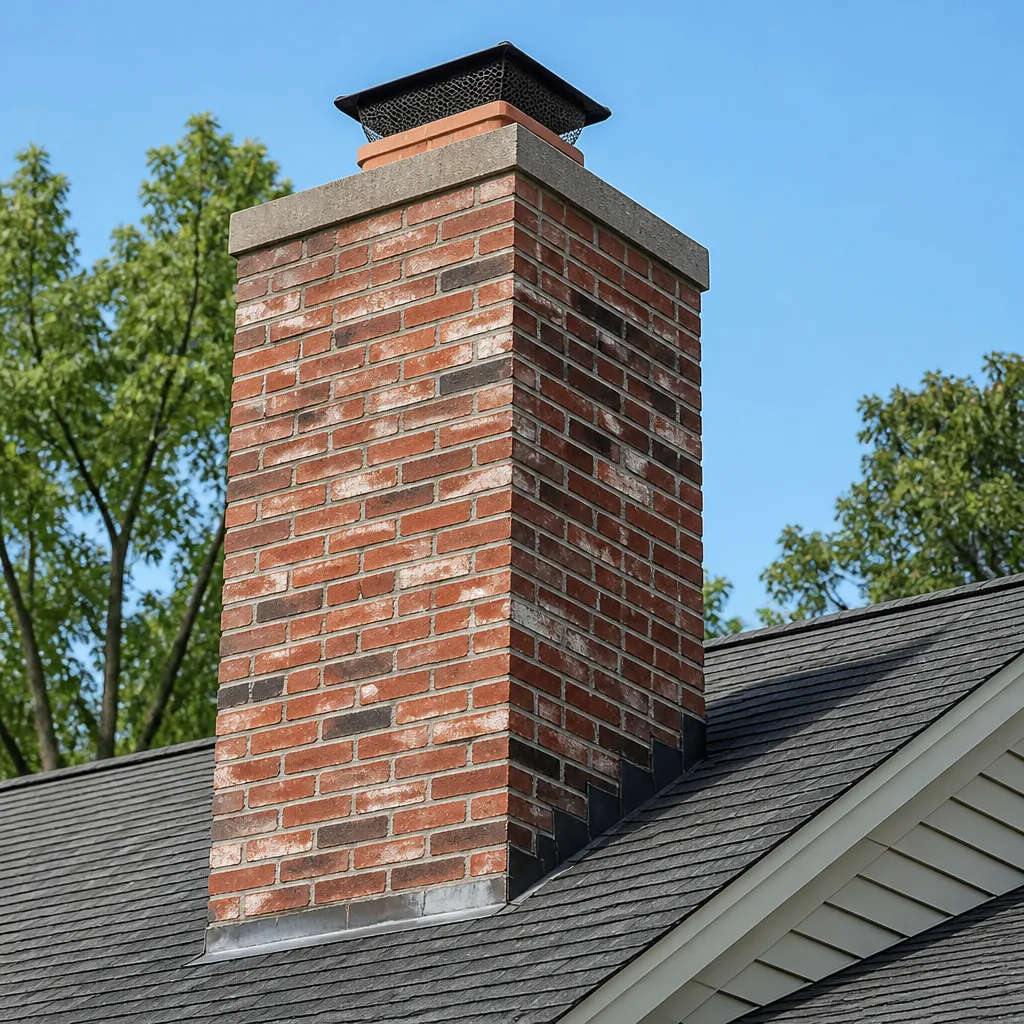
The three components that decide whether a chimney survives a Gilbert year are the crown, the cap, and the flashing. Knowing what a sound one looks like versus an early-failure one helps you spot problems in your own self-inspection.
The Crown
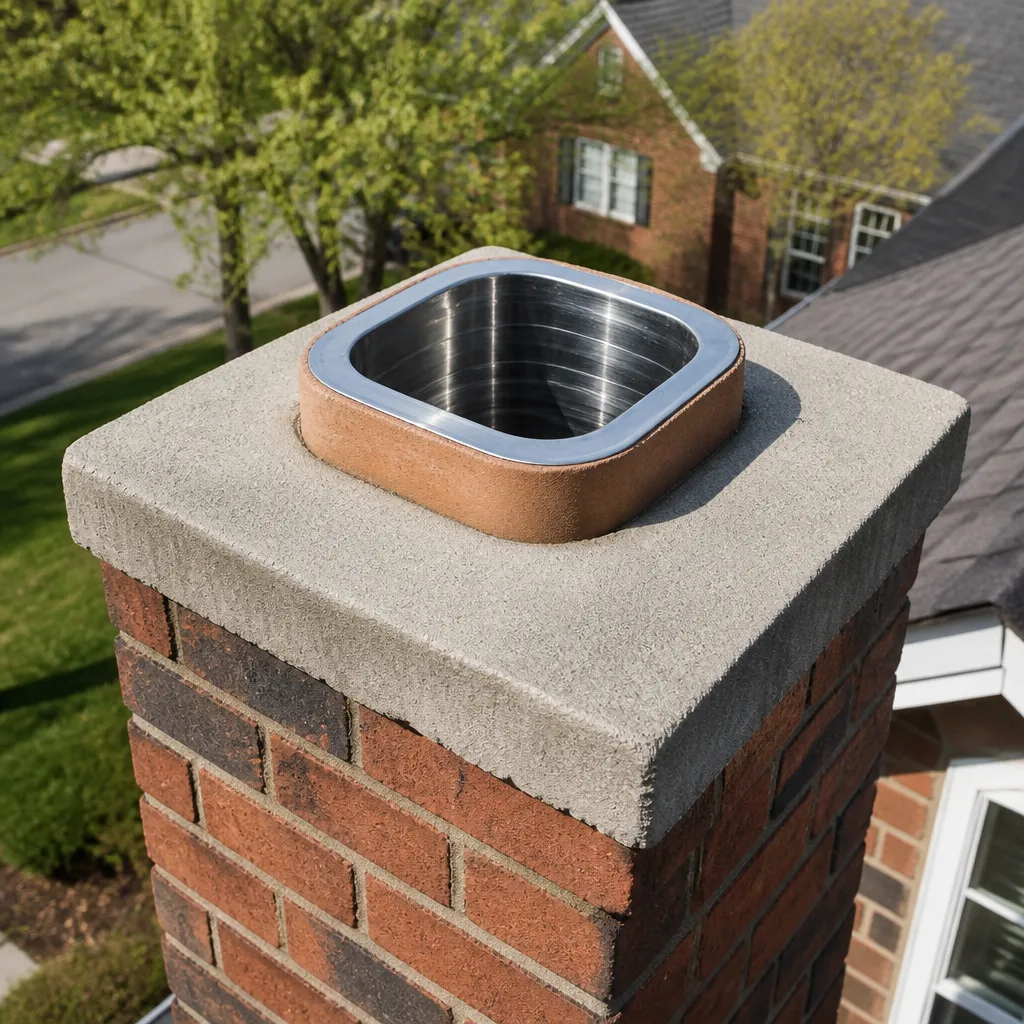
The crown is the sloped concrete or mortar top that sheds water away from the flue. A sound crown is smooth, unbroken, and slopes away from the flue tile on all sides. Early desert failure looks like fine hairline cracks radiating from the flue, sandy or crumbling texture, or a crown that has pulled away from the flue tile leaving a visible gap. Any of those let monsoon rain seep into the masonry, where thermal cycling then widens the damage.
The Cap
A proper cap is a metal or masonry cover with a screened enclosure sized to the flue opening. A sound cap sits level, its screen is intact and evenly tensioned, and its fasteners are tight. Early failure shows as a sagging screen, a gap at the frame, rust streaks, or a cap that’s visibly tilted. Because a cap protects against both animals and rain, its condition matters more in Gilbert than most homeowners assume.
The Flashing
Flashing is the metal that seals the joint where the chimney meets the roof. Sound flashing is tightly fitted, sealed at the edges, and free of lifting or gaps. Early failure looks like lifted edges, cracked sealant, or rust – and it shows up first as water staining on the ceiling or chimney chase after a monsoon storm.
When repair is needed, we work from trade-grade materials – a crown rebuilt to proper slope, a cap specified to the flue, flashing resealed correctly – because a hardware-store patch in this climate tends to fail within a season or two. Relining, where a liner is compromised, uses a DuraFlex flexible liner system; resurfacing a deteriorating flue uses HeatShield. Correctly specified components are what make a repair last.
Common Mistakes to Avoid
- Following a cold-climate checklist. Advice about ice dams and frozen caps doesn’t apply here. Build the schedule around monsoon prep and pre-burn readiness instead.
- Skipping the post-monsoon look. The weeks right after the storms pass are when cap and flashing damage is easiest to catch and cheapest to fix.
- Leaving the damper open all summer. The ventilation feels nice, but the humidity it pulls through the flue accelerates liner wear.
- Sweeping after the season instead of before. A fall sweep means you burn into a clean flue. A spring sweep means you spent the whole season burning on last year’s residue.
- Ignoring a torn cap screen. It’s the cheapest repair on the list and the most common cause of animal intrusion and water damage in Gilbert homes.
- Treating a cracked crown as cosmetic. In desert thermal cycling, a hairline crack widens every season. Small now is not small next year.
- Hiring a generalist handyman to do a sweep. A brush and a ladder aren’t the same as a camera inspection, a proper liner assessment, and a trade-grade repair scope.
When to Call a Professional
Call a professional sweep if any of the following is true: you’ve never had the chimney inspected; you see cracked masonry, a loose cap, or water staining; smoke rolls into the room instead of up the flue; you’ve noticed animals or nesting material in the chimney; you’re buying or selling a home and need an inspection report; or it’s simply been more than a year since the last sweep. In Gilbert, pre-burn season is the ideal time to book, and the schedule fills quickly as the weather cools. Chimney Sweep Gilbert offers free estimates in Gilbert – call (866) 942-9144. We answer 24/7. Fast dispatch from 7am to 7pm, Sunday through Friday.
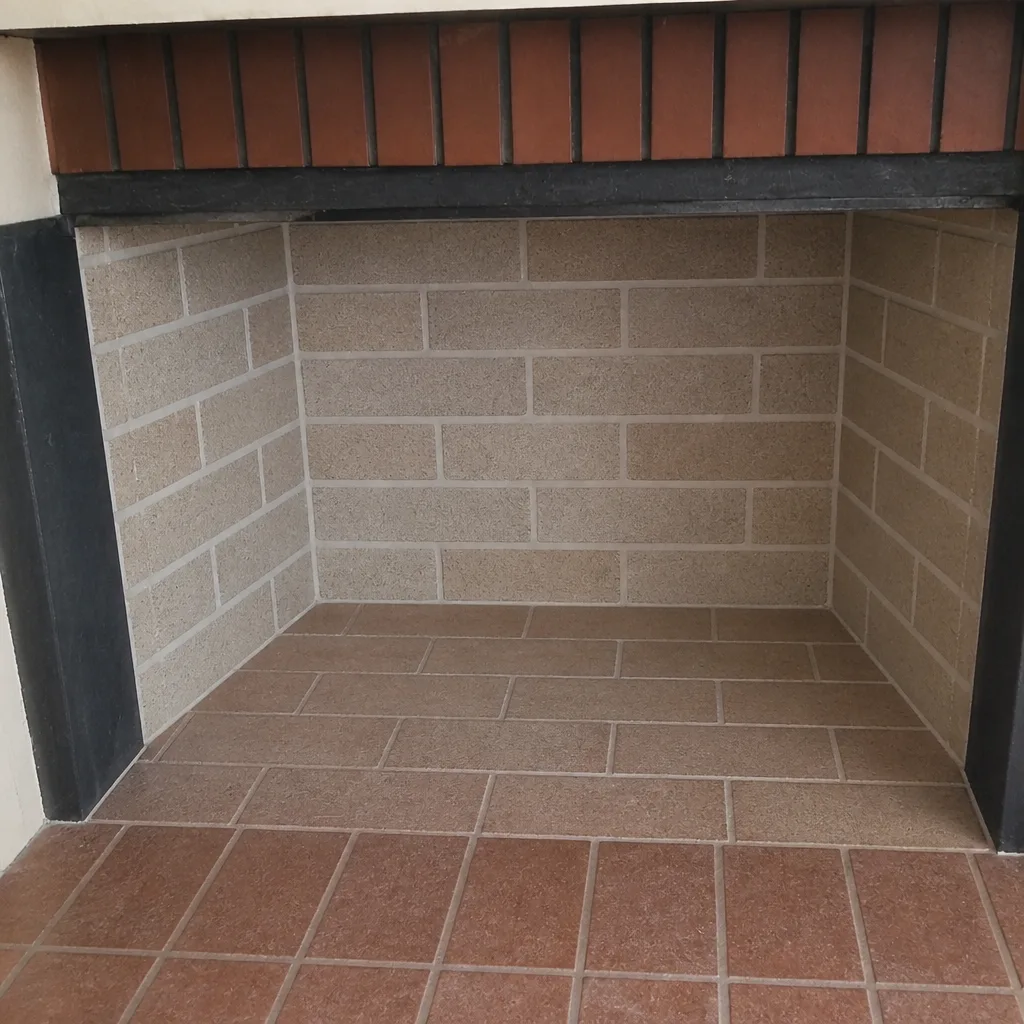
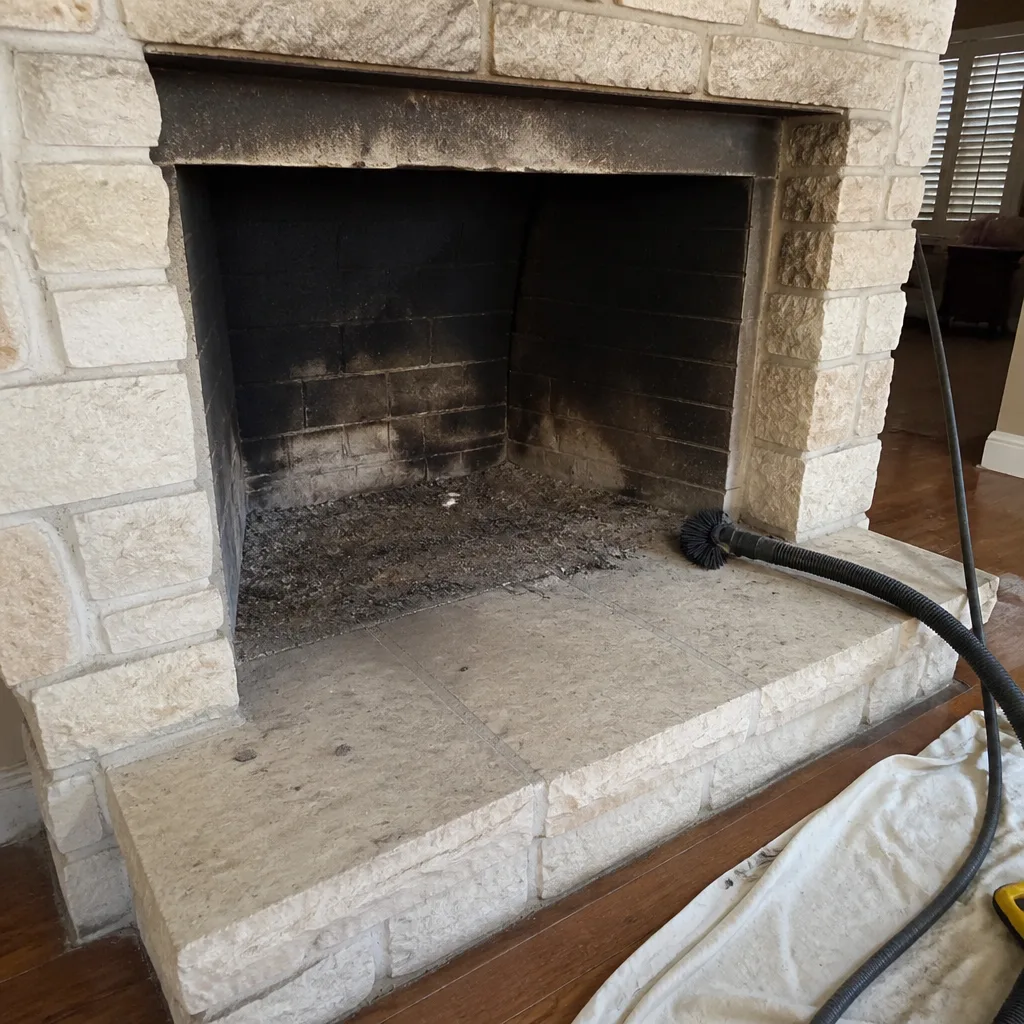
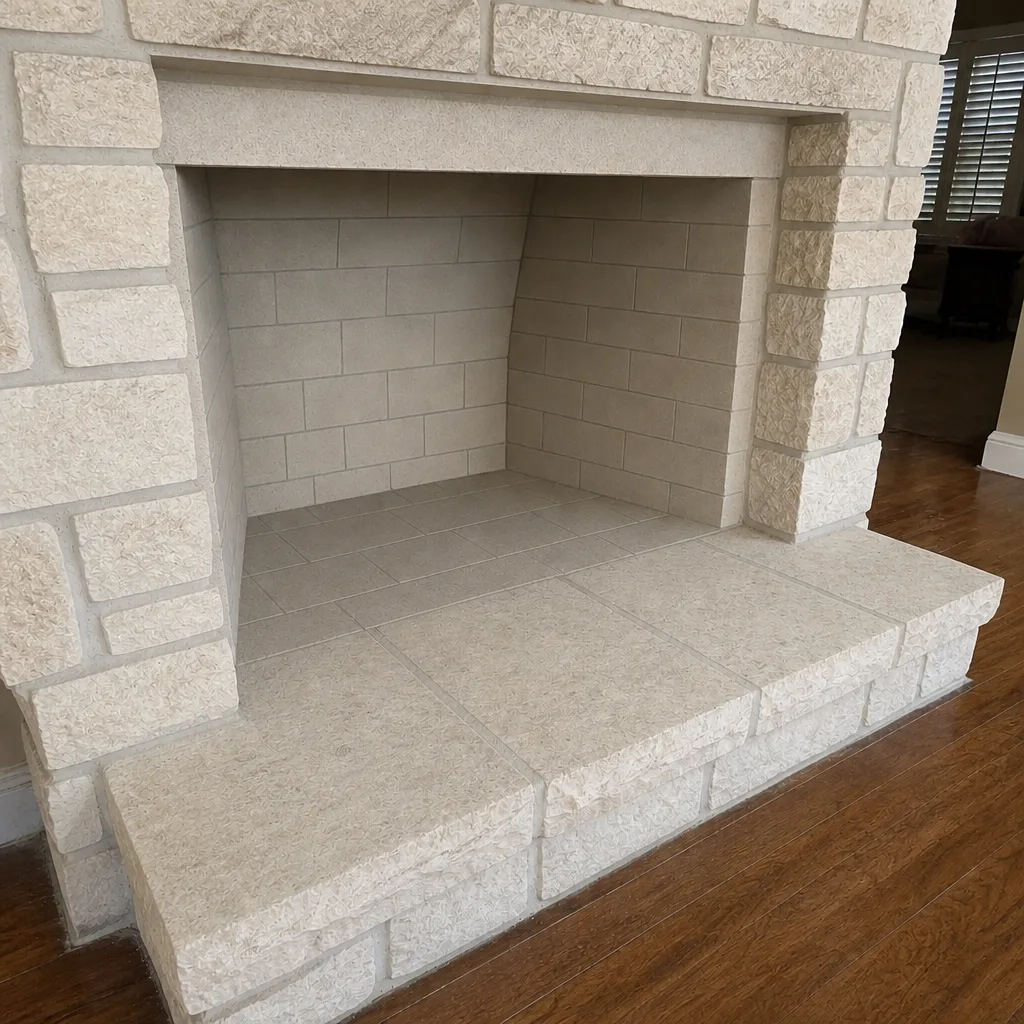
See the difference
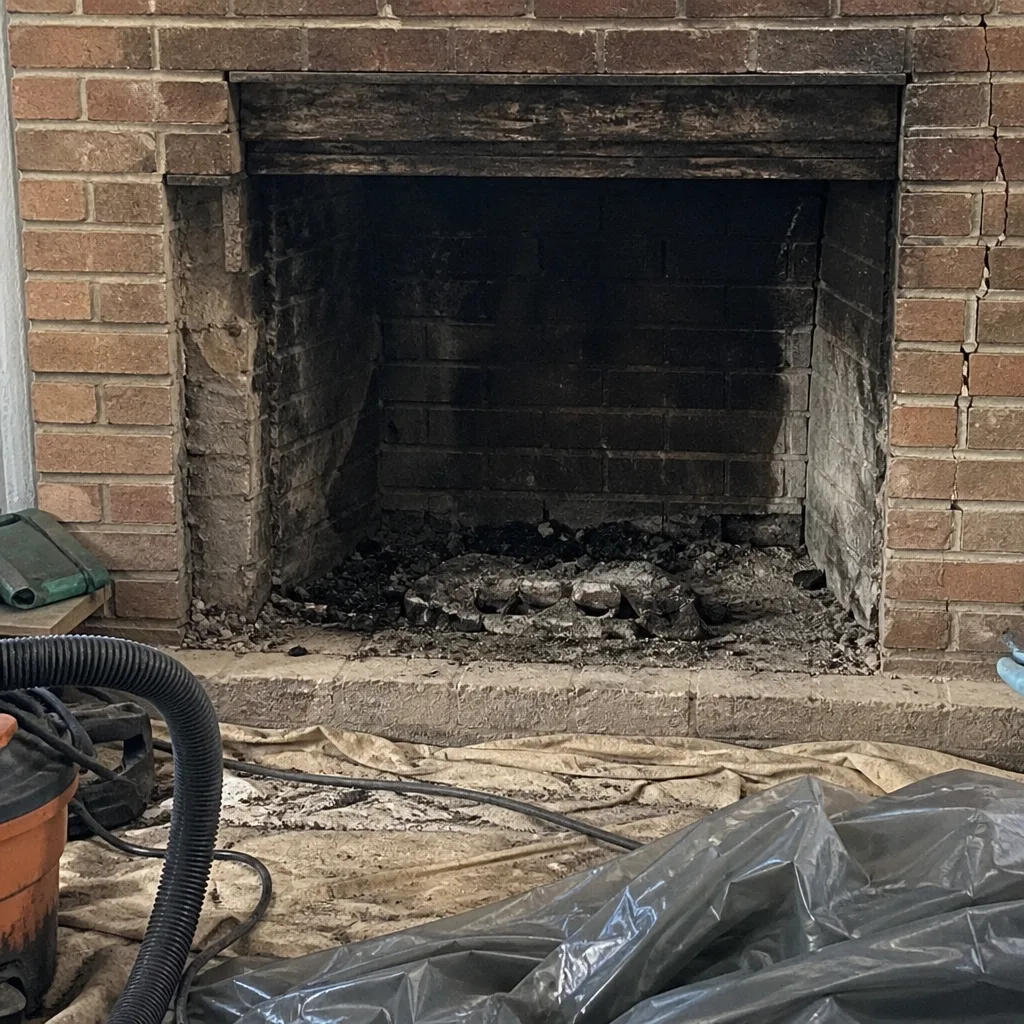 Before
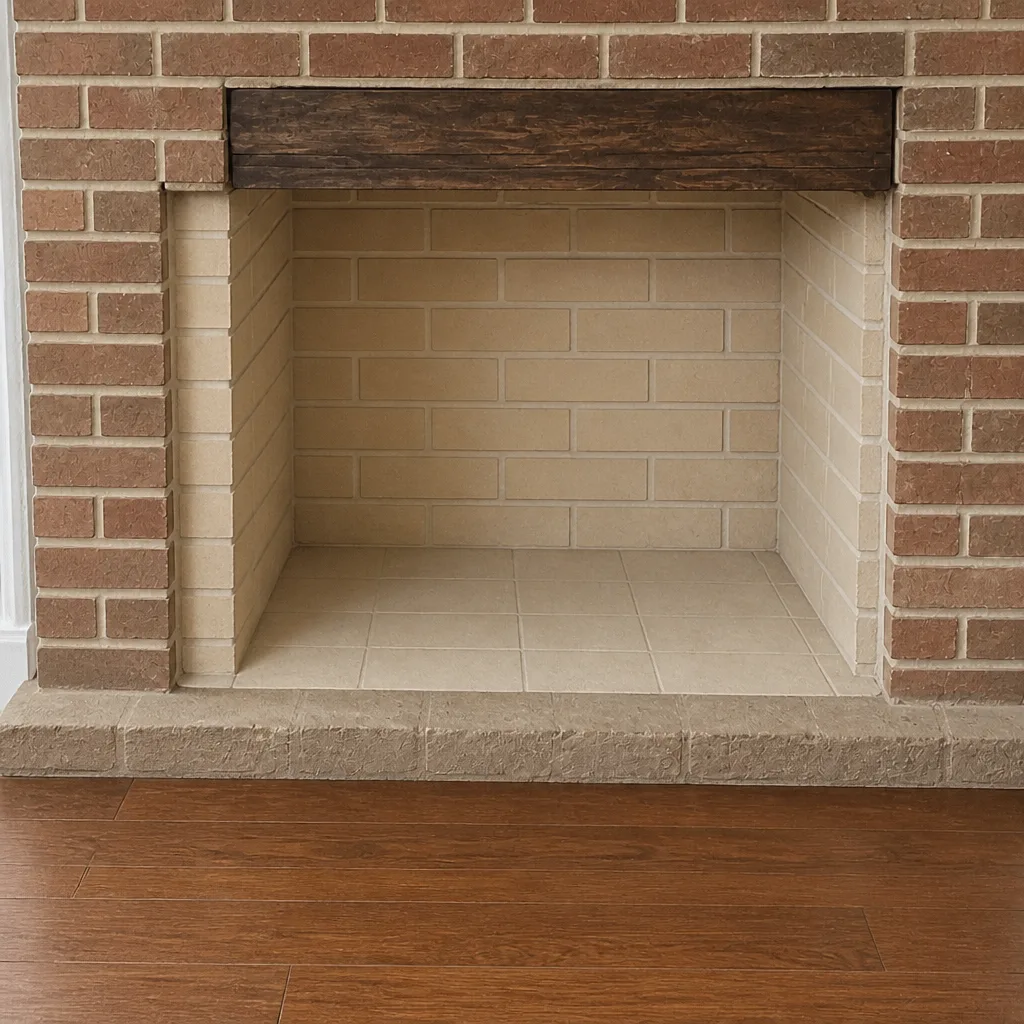 After
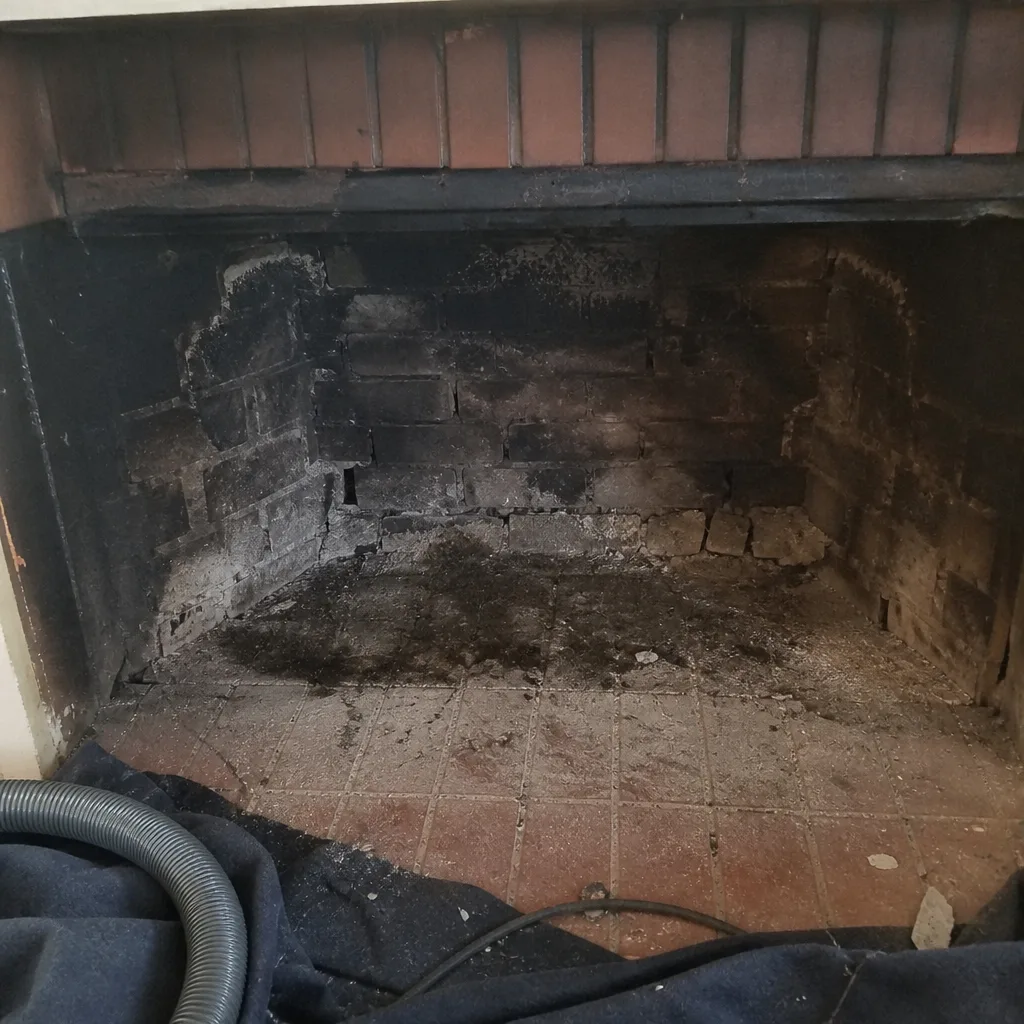 Before
 After
 Before
 After
Frequently Asked Questions
Once a year for most homes, timed for late October or early November so the flue is clean before burn season. Homes that burn often or use a wood stove may need more frequent sweeps.
Pricing depends on the flue configuration, access, and whether any repair is needed alongside the sweep. The written estimate sets the final price, and estimates are free. Call (866) 942-9144 for an exact quote – estimates are free.
Yes. A camera inspection is the only reliable way to see cracks, gaps, and offsets in the liner, and those are the defects that let heat and gases reach combustible material. It’s included in a proper inspection.
You can look at the cap screen from the ground with binoculars and note tears, sagging, or a tilted cap. Any actual repair or replacement means getting on the roof, which is a job for a trained professional.
An open damper pulling humid monsoon air through a flue with creosote residue creates that smell. Closing the damper when the fireplace isn’t in use and having the flue swept before the season usually resolves it.
Yes. An inspection suitable for a transaction provides the report a buyer or lender needs. We offer chimney repair and inspection for both annual safety checks and real-estate requirements, handled by the same team.
The Bottom Line
A Gilbert chimney doesn’t need a cold-climate checklist. It needs a calendar built around the local year: a pre-monsoon look in May, a post-monsoon inspection in September, the annual sweep before burn season in November, and a mid-season check in January. Keep the damper closed through summer, keep the cap screen intact, and confirm the crown and flashing are sound. Everything else on this list is what a trained sweep checks with a camera and brushes. Do the self-checks, book the annual sweep, and the chimney carries you through the season. Call (866) 942-9144 to book your sweep and inspection, and visit our Gilbert page for more on how we work locally.
Book Your Gilbert Chimney Sweep and Inspection
Between the pre-burn sweep, the camera inspection, and any repair the inspection turns up, one thing matters: the sweep and the repair team should be the same people. Chimney Sweep Gilbert handles sweeping, repair, and inspection under one roof, so nothing gets handed off to a subcontractor. Trade-grade materials from DuraFlex, HeatShield, and our other brand partners mean repairs are specified correctly the first time. Call (866) 942-9144 for a free estimate. We answer 24/7. Fast dispatch from 7am to 7pm, Sunday through Friday, closed Saturday.
Explore more of our services:
- Chimney Sweep Gilbert – full-cycle chimney cleaning, repair, and inspection.
- chimney sweep for Gilbert homes.
- chimney repair for crowns, caps, flashing, and liners.
Written by the team at Chimney Sweep Gilbert.