
Last updated November 16, 2026
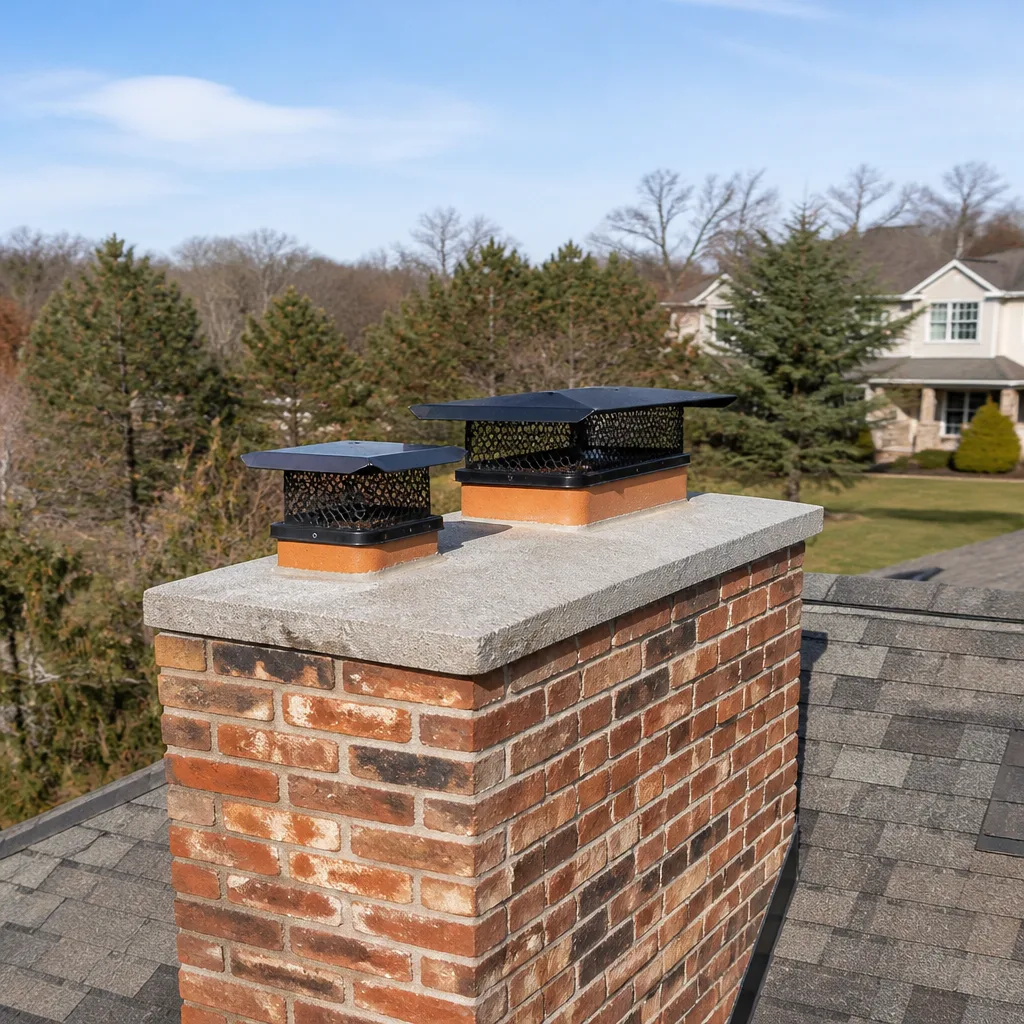 Sweep & inspection
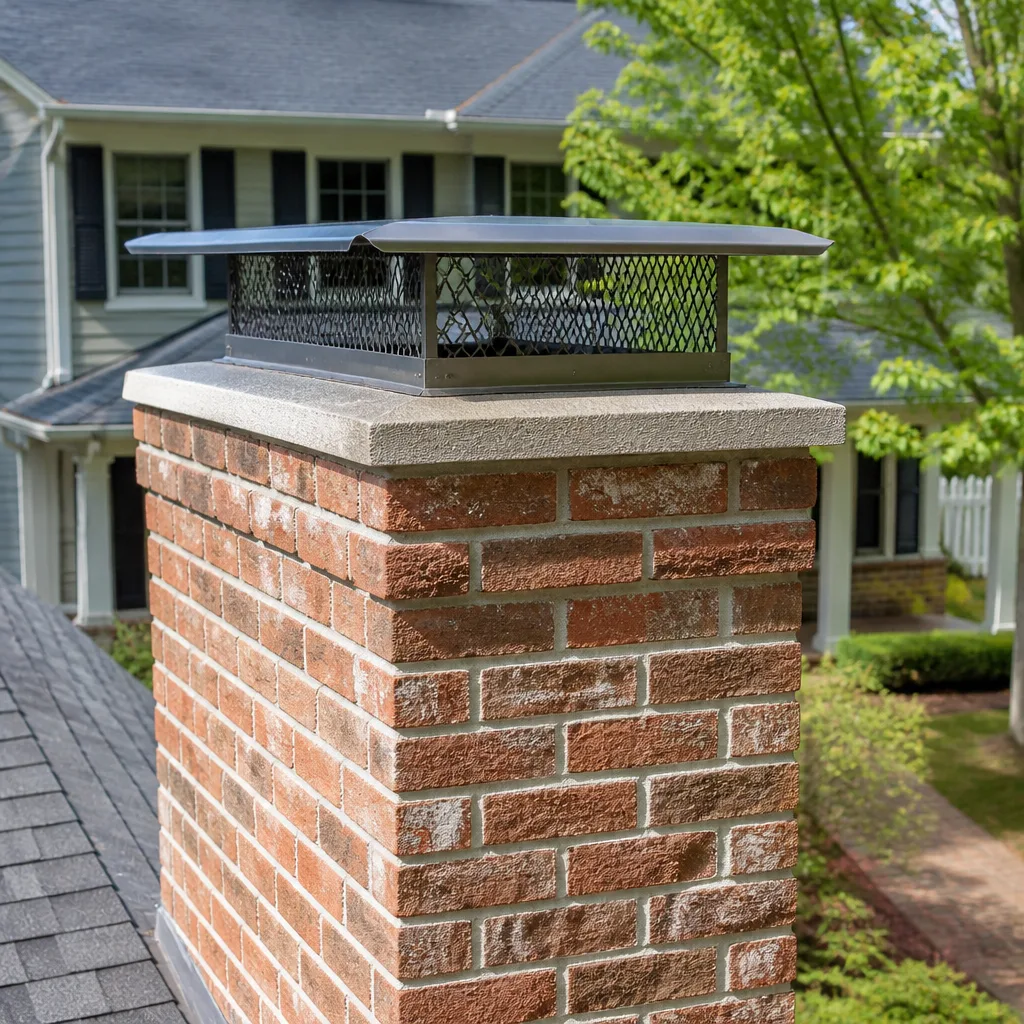 Caps & crowns
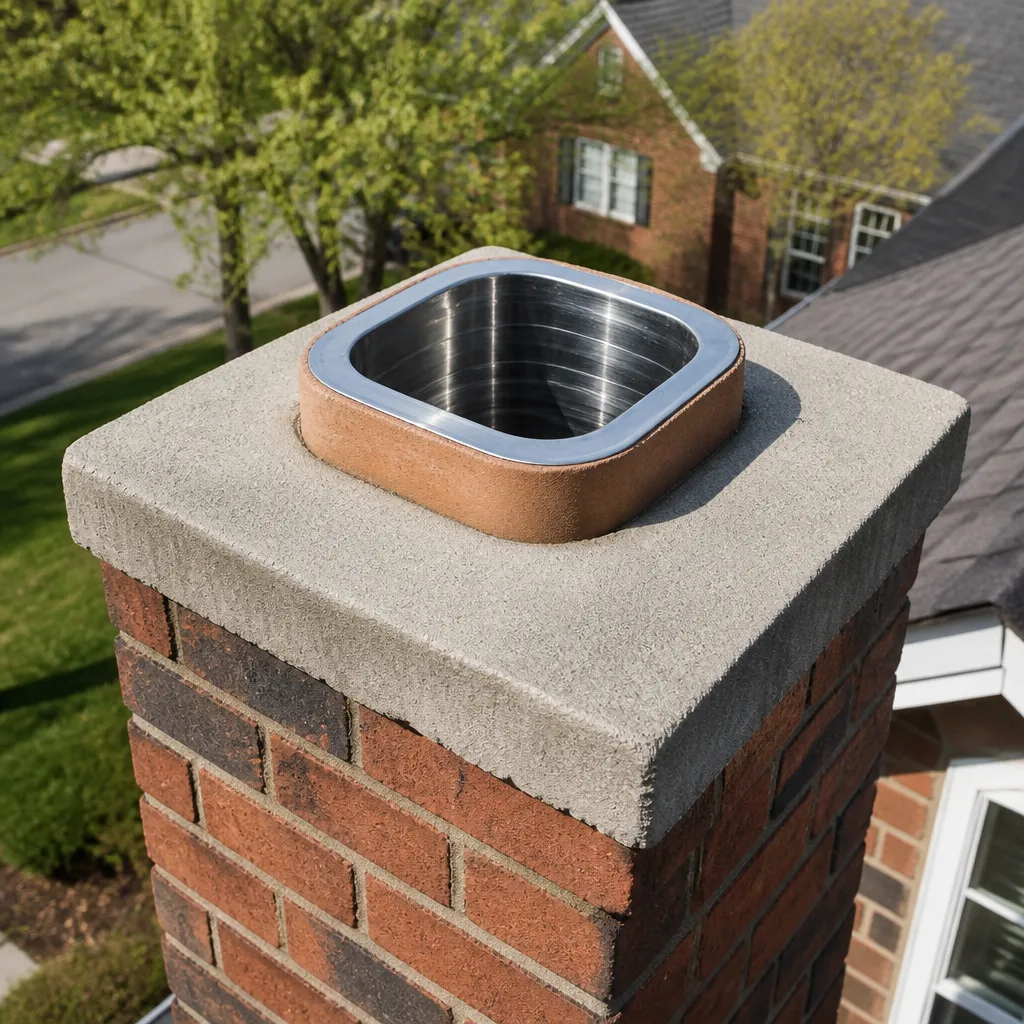 Flue relining
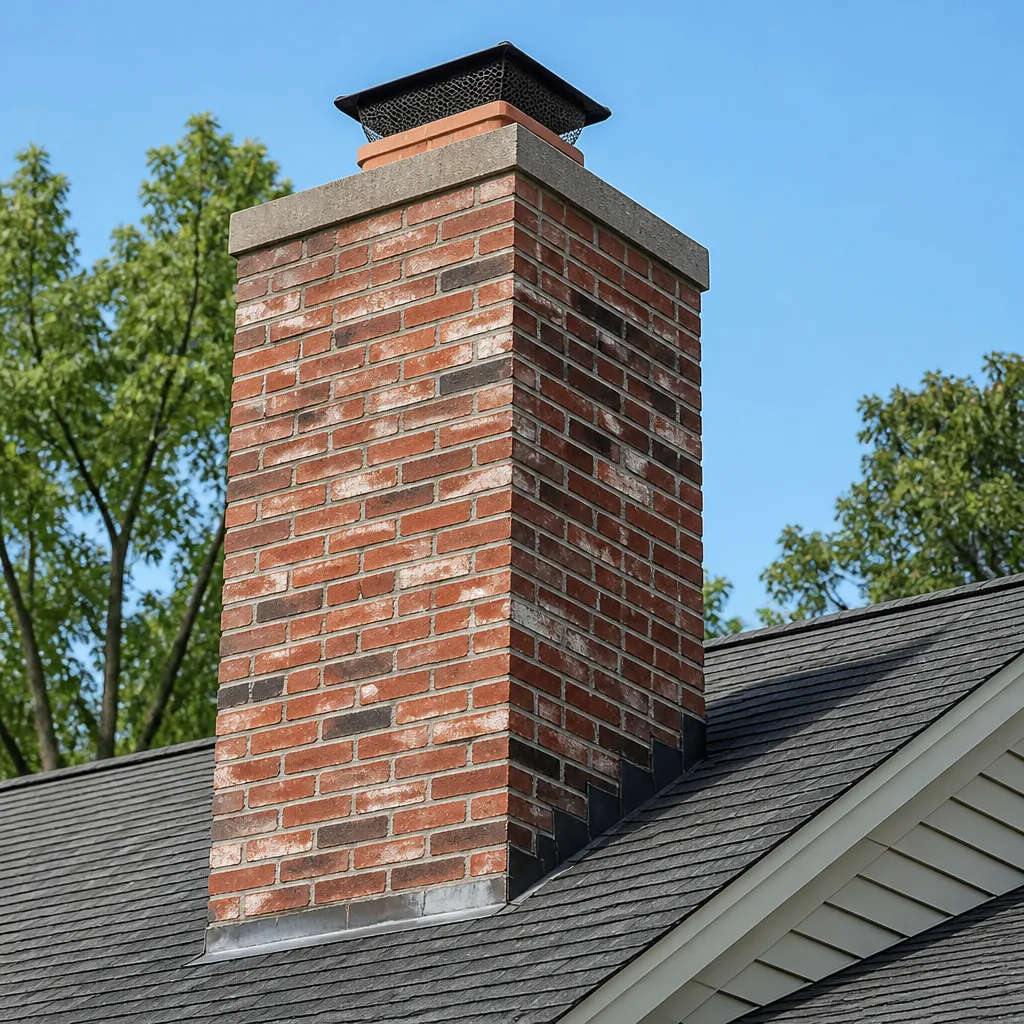 Masonry repair
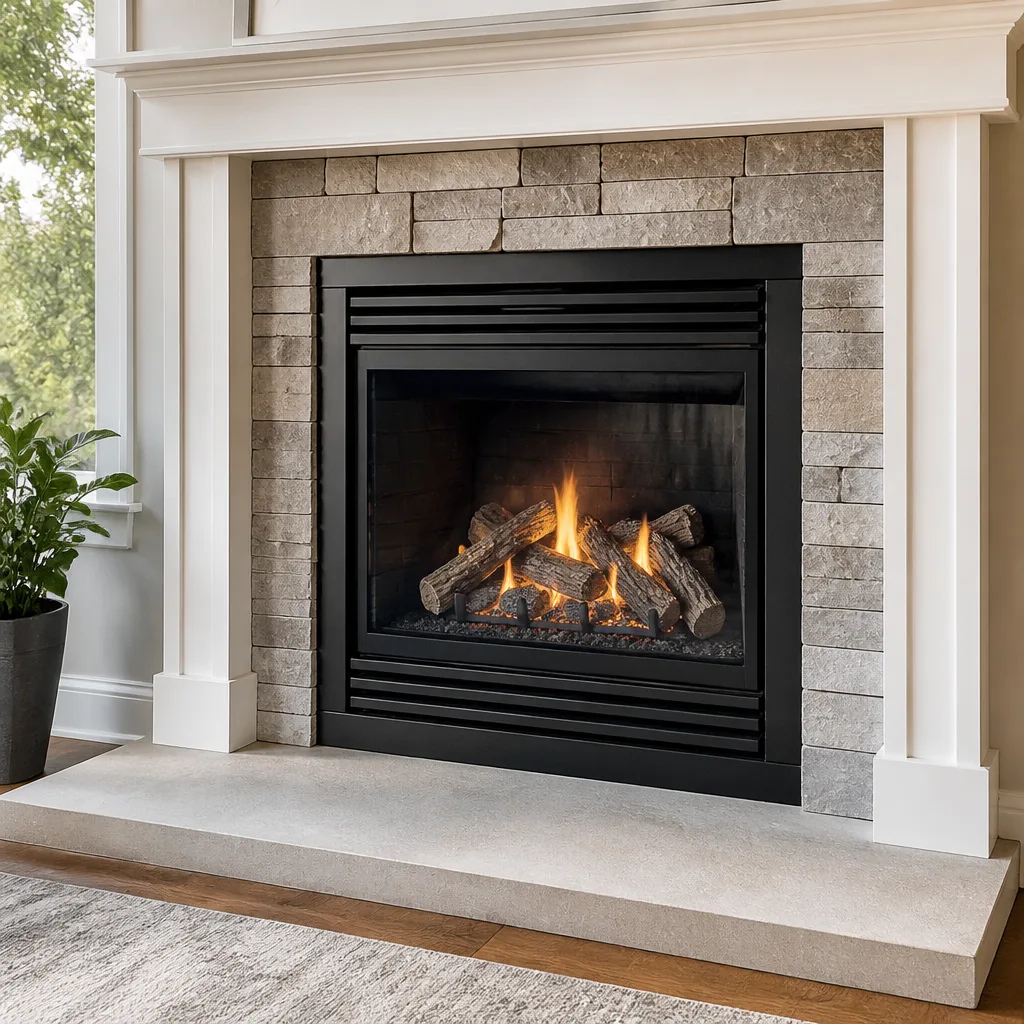 Gas fireplace service
Level 1 sweep and inspection to the NFPA 211 annual standard - flue, crown, cap, and flashing checked and photographed
Chimney sweep logs do not sweep chimneys. They loosen some creosote - which then falls where a brush and vacuum still have to collect it.
Chimney Cleaning Permits, Codes & Inspections in Gilbert, AZ: What You Need to Know
Most homeowners assume the permit conversation starts and ends with the big stuff – room additions, pools, new electrical. Here’s the part that surprises people in Gilbert: an unpermitted chimney liner installation can quietly undercut a homeowner’s insurance claim years later, and nothing about the fireplace itself will look wrong. The fire burns fine. The draft seems normal. The problem lives in the paperwork that was never filed, not in the flue. This guide walks through which chimney services actually require permits under Arizona’s residential code and the Town of Gilbert’s amendments, how the three NFPA 211 inspection levels differ, what a code-compliant cleaning report contains, and how gas venting standards diverge from wood-burning ones. By the end you’ll know exactly when a permit matters and when it doesn’t.
Quick Answer
Routine chimney sweeping and Level 1 inspections in Gilbert generally do not require a permit. Permits become necessary when the work touches the structure or the flue system itself: liner replacement or relining, firebox rebuilds, chimney chase or crown repairs that alter the structure, and any change to the venting configuration of a gas appliance. For real estate transactions, lenders and buyers typically expect a Level 2 inspection, which includes a camera scan of the flue interior. Unpermitted structural or liner work can affect insurance coverage regardless of how well the job was done.
Styles & brands we work with
- Sweep & inspection
- Caps & crowns
- Flue relining
- Masonry repair
- Gas fireplace service
Table of Contents
- Which Chimney Services Require a Permit in Gilbert?
- Arizona Residential Code and Gilbert’s Amendments: What They Actually Say
- The Three NFPA 211 Inspection Levels Explained
- How Unpermitted Chimney Work Affects Homeowner’s Insurance
- What a Code-Compliant Chimney Cleaning Report Contains
- Gas Appliance Venting: How the Standards Differ From Wood
- Chimney Inspections for Real Estate Transactions in Gilbert
- Common Mistakes to Avoid
Which Chimney Services Require a Permit in Gilbert?
Cleaning doesn’t need a permit. Structural repair and liner work almost always do. That’s the short version, and it holds across nearly every jurisdiction in Arizona, including Gilbert. The dividing line is simple: if the work changes the chimney’s structure, its flue configuration, or its relationship to the building envelope, a permit is typically required. If the work only removes creosote and debris from a flue that stays otherwise untouched, it usually isn’t.
Services that typically do not require a permit
- Routine chimney sweeping for a wood-burning fireplace or stove
- Level 1 and Level 2 inspections
- Cap replacement, damper replacement, and spark arrestor installation
- Minor cosmetic work on the firebox that doesn’t change dimensions
- Cleaning of the smoke chamber using standard brushing methods
Services that typically do require a permit
- Relining a chimney with a new flue liner (including flexible liner systems)
- Resurfacing a deteriorated flue using a cast-in-place method
- Rebuilding the firebox or replacing firebrick
- Structural repair to the chimney chase, crown, or masonry above the roofline
- Installing or replacing a gas appliance vent connector or flue
- Converting a wood-burning fireplace to a gas insert
- Adding a new chimney or flue where none existed
If you’re scheduling a chimney sweep in Gilbert and the technician finds a cracked flue tile or a deteriorated liner, the report should tell you plainly whether the recommended fix crosses into permitted work. A good sweep flags that before the repair quote, not after. When the repair involves relining, the work is structural – and the permit question becomes relevant immediately. Call (866) 942-9144 if you want a straight answer about a specific job before you commit.
Arizona Residential Code and Gilbert’s Amendments: What They Actually Say
Chimneys in Gilbert fall under the Arizona Residential Code, which adopts and amends the International Residential Code for one- and two-family dwellings. The code treats a chimney and its venting as a life-safety system – which is why structural work on it is permitted – and it delegates most specific enforcement to the local building department. In Gilbert, that’s the Town of Gilbert’s building division. Always confirm current requirements with them directly before scheduling structural work; local amendments can shift year to year.
The code establishes a few things that matter to homeowners:
- Clearances are non-negotiable. Wood framing and combustible materials must maintain the specified clearance from the chimney’s exterior. When a liner is installed, the new liner system must be listed for its application and installed per the manufacturer’s instructions.
- Flue sizing must match the appliance. An oversized flue drafts poorly and an undersized one is a hazard. The liner or flue must be sized to the appliance’s venting requirements, not chosen by eye.
- Terminations have height and location rules. The chimney must terminate at the required height above the roofline and at the required distance from nearby openings and combustibles.
- Venting material must be listed. Flexible liners and rigid liners must carry the appropriate listing for wood, gas, or oil service. Using a component that isn’t listed for the appliance is a code violation even if it works.
This is where trade-grade materials earn their keep. We work with products from DuraFlex for flexible relining and HeatShield for cast-in-place resurfacing, along with gelcoat components from Gelco and caps and dampers from Olympia Chimney. Each is listed for its application. When a permit inspector reviews the work, the product listed on the plan is the product installed. That consistency is what makes a permitted job pass cleanly and what makes the paperwork defensible later.
Permit applications for chimney structural work typically include a description of the work, the product to be installed, and often a sketch or manufacturer specification sheet. The building department may inspect at a rough-in stage and after completion. Plan for the process to add time; a job that would take a day may span a week or more once you account for the permit review and the inspection visit.
The Three NFPA 211 Inspection Levels Explained
NFPA 211 defines three inspection levels for chimneys, fireplaces, and vents. The level you need depends on what’s being asked: routine maintenance calls for Level 1, a real estate transaction or a change in appliance calls for Level 2, and a fire, seismic event, or suspected hidden damage calls for Level 3. The levels differ by access required and depth of investigation, not by how thorough the technician is.
Level 1 Inspection
A Level 1 inspection is the standard annual check. It covers the readily accessible portions of the chimney and vent system – the firebox, the flue as seen from the firebox and the top, the damper, and the exterior components you can reach without cutting or removing anything. It’s the right choice when the fireplace is used the same way it always has been, with no changes to the appliance or the fuel type. Pairing it with the annual cleaning is standard practice.
Level 2 Inspection
A Level 2 inspection goes deeper. It includes everything in Level 1 plus a video camera scan of the flue interior, inspection of accessible attic and crawlspace areas, and an inspection of the chimney’s accessible exterior. It’s required whenever a property changes hands, when the appliance or fuel type changes (such as a wood-to-gas conversion), after an operating malfunction, or when a Level 1 inspection reveals a concern that requires a closer look. Real estate transactions are the most common trigger in Gilbert.
Level 3 Inspection
A Level 3 inspection is the deepest and is used when the first two levels reveal a hidden problem that can’t be evaluated without opening up the chimney. It may involve removing parts of the chimney chase, cutting into drywall, or dismantling components. It’s not routine and it’s not something a homeowner schedules on a hunch. It’s called for after a chimney fire, a seismic event, or when there’s a specific reason to believe damage exists in an area not otherwise accessible.
Which level do you need?
- Routine annual service: Level 1, paired with your cleaning.
- Buying or selling a home in Gilbert: Level 2, with the camera scan documented in the report.
- Switching from wood to gas: Level 2, before the conversion.
- After a chimney fire or suspected damage: Level 2 or Level 3, depending on findings.
How Unpermitted Chimney Work Affects Homeowner’s Insurance
Homeowner’s insurance policies generally cover sudden and accidental losses. They generally do not cover losses that result from work that was done improperly, negligently, or without required permits. The policy language that matters is the exclusion for faulty workmanship and the requirement that the property be maintained in a code-compliant condition. If a fire starts in a chimney with an unpermitted liner, the insurer can deny the claim on the grounds that the work wasn’t permitted, wasn’t inspected, and wasn’t verified to code, even if the liner itself wasn’t the cause of the fire.
This is where a lot of homeowners get caught off guard. The fireplace worked for years with no obvious problem. Then a house fire or a CO incident surfaces, and the adjuster asks for the paper trail on the liner. If there isn’t one, the claim can stall. The denied-claim risk isn’t hypothetical; it’s the natural result of how property coverage works. Insurers aren’t looking for reasons to deny claims, but they do require documentation for structural repairs – and a chimney liner is structural.
What does documentation look like?
- A copy of the permit, showing it was applied for and issued
- Proof of the final inspection (a signed-off inspection card or an approval notice)
- The manufacturer’s listing for the product installed
- A written inspection report from the sweep documenting the pre-work condition and the post-work condition
If you’ve already had unpermitted work done, it’s not a lost cause. A Level 2 inspection with a camera scan can document what’s currently there. If the work is found to be compliant, the report serves as the record. If it isn’t, the report tells you what needs to be corrected. Either way, you want that information in writing. Our team works through this kind of documentation frequently and can walk you through the process. Call (866) 942-9144 if you’re trying to reconstruct a paper trail for a past repair.
What a Code-Compliant Chimney Cleaning Report Contains
A code-compliant cleaning report does three things: it documents what was cleaned, it documents the condition of the chimney at the time of service, and it gives you a written record you can hand to an insurer, a buyer, or a future technician. It’s not a receipt. It’s a condition report from a licensed or certified sweep, and it should be specific enough that someone reading it a year later understands exactly what was found.
What to expect in a proper report:
- Date, address, and the appliance type. Which fireplace or stove was serviced, what fuel it burns, and what condition it was in.
- The inspection level performed. Level 1, 2, or 3, with a note on what that level covered.
- Access notes. Which portions of the chimney were accessed and which were not, and why.
- Debris removed. The reported volume and character of the sweepings (soot, creosote, animal nests, etc.).
- Flue condition. For a Level 1, what was visible from the firebox and top. For a Level 2, the camera findings, described by location and size.
- Component condition. Damper, firebox, smoke chamber, cap, crown, flashing, and any exterior pipe in reach.
- Photo documentation. Photos of anything found, referenced by location in the report.
- Findings and recommendations. What needs attention, what can wait, and what couldn’t be evaluated in this visit.
- Technician signature and credentials. The name (for the report) and the certification or license under which the inspection was performed.
We diagnose before we quote. That means the report comes first, and the work order follows. A camera scan and photo record are part of the package – you see what we see, not just a line on an invoice. If you’re comparing quotes from a sweep-only service and a full-cycle chimney repair company, ask to see the sample report each one hands to a homeowner. The difference is usually obvious in the first page.
Gas Appliance Venting: How the Standards Differ From Wood
Gas venting standards are not the same as wood-burning standards, and many Gilbert homes have converted from wood to gas without a proper Level 2 inspection or a permitted vent modification. This is the single most common code issue we see in converted fireplaces: a gas appliance installed into a wood-burning chimney that wasn’t properly relined for the new fuel and its venting requirements. The fireplace looks right. The venting doesn’t comply.
The core differences between wood and gas venting:
- Vent categories. Gas appliances are categorized by venting characteristics (Category I, II, III, or IV), and each category has specific venting requirements. A wood-burning flue is not automatically suitable for a gas appliance.
- Flue temperature and corrosion. Gas combustion produces moisture that can corrode a flue that wasn’t designed for it. A flue that worked fine for wood can deteriorate quickly when a gas appliance is vented into it without a proper liner.
- Liner material. Gas appliances can vent through properly listed aluminum or stainless liners, but the liner must be selected for the appliance’s category. A flexible liner sized for wood is not automatically correct for gas.
- Termination and draft. Gas appliances have their own draft hood and termination rules. The rules differ from wood-burning chimney rules.
- Permit and inspection. A wood-to-gas conversion is a change in appliance and fuel type, which is a permit-required change in most jurisdictions, and it calls for a Level 2 inspection before and after.
Venting work for gas is one of the areas where a trade-grade liner system pays off. We use DuraFlex flexible liner systems for relining, and specify them against the appliance category – never by eye. The wrong liner for a gas appliance is a code violation and a corrosion problem waiting to happen. If you’ve recently moved into a Gilbert home with a converted fireplace and don’t have documentation on the conversion, get a Level 2 inspection on the schedule. Call (866) 942-9144 for a free estimate.
Chimney Inspections for Real Estate Transactions in Gilbert
A chimney inspection for a real estate transaction in Gilbert is almost always a Level 2, and it needs to be documented well enough for the buyer, the seller, the lender, and the insurer to read it. Lenders and buyers want to know three things: is the chimney safe to use, is the flue intact, and is any past work documented and permitted. A camera scan is the difference between a report that answers those questions and one that guesses at them.
What a transaction-grade inspection covers:
- Level 2 inspection with video camera. The flue interior is scanned top to bottom, with the camera footage referenced in the report.
- Exterior inspection. From the ground and, where accessible, the roof: cap, crown, flashing, masonry condition, and any evidence of water intrusion.
- Attic and crawlspace. Accessible portions of the chimney chase and any venting passing through those areas.
- Appliance vent connector check. For any gas appliance, the vent connector and category are checked against the appliance.
- Written report with photos. Referenced to locations, so the reader can match findings to the chimney’s geometry.
Timing matters. A pre-sale inspection often needs to happen fast, and the report needs to be clear enough that the buyer’s agent can process it without a follow-up call. If findings surface – and they do – the seller, buyer, and their agents need to know which findings are deal-critical and which are routine maintenance. We work with real estate agents in Gilbert on these reports regularly and structure them for that audience. The report reads as a narrative, not a checklist, so the reader understands what needs fixing now and what can wait.
Common Mistakes to Avoid
- Skipping the permit on a reline to save a step. A liner is structural work. Skipping the permit on it doesn’t save anything – it creates a documentation gap that can surface years later. The permit cost is small next to the insurance question it prevents.
- Assuming a cleaning receipt proves the chimney is safe. A receipt documents a sweep, not a condition. You want the written report with the flue findings, not just the invoice. If a company won’t provide one, that’s a reason to look elsewhere.
- Not getting a Level 2 on a recently converted fireplace. A wood-to-gas conversion without a Level 2 pre-inspection is the most common gap we find in Gilbert homes. The fireplace looks right; the venting often doesn’t comply.
- Hiring a general handyman for chimney work. Chimney repair, relining, and inspection are specialized. A generalist with a brush and a ladder doesn’t have the material palette, the camera equipment, or the licensing to do permitted work. See our guide to Gilbert chimney service for what to look for.
- Skipping the inspection on a home purchase to save time. The inspection is the one thing that catches an undocumented liner or a converted vent before the closing. It’s the cheapest insurance in the transaction.
- Ignoring the chimney on a gas fireplace that “works fine.” Working fine isn’t the same as venting correctly. Gas venting issues often reveal themselves slowly, through corrosion and moisture, not through a visible flame problem.
- Letting a contractor talk you into structural work without a camera scan. No scan, no diagnosis, no basis for a quote. If a recommendation arrives without a camera image to back it up, ask for one before signing anything.
See the difference
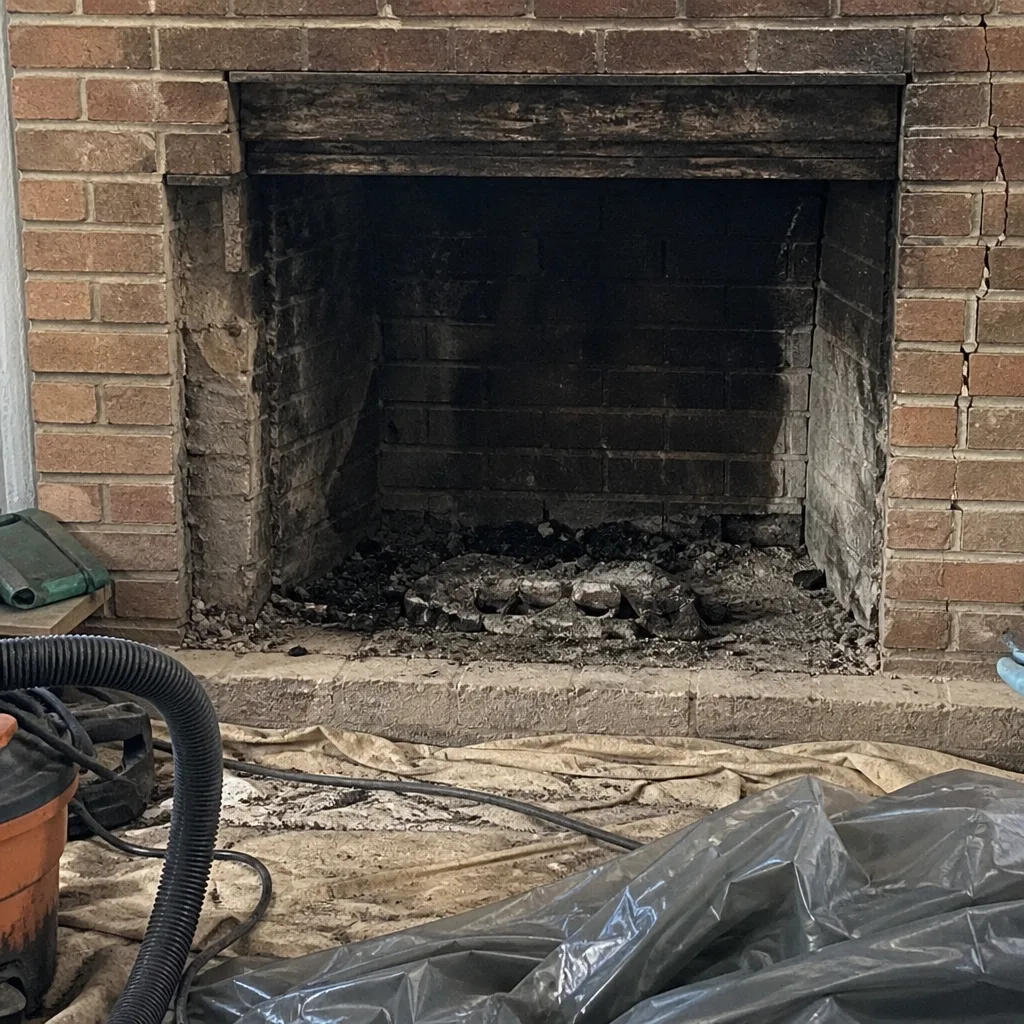 Before
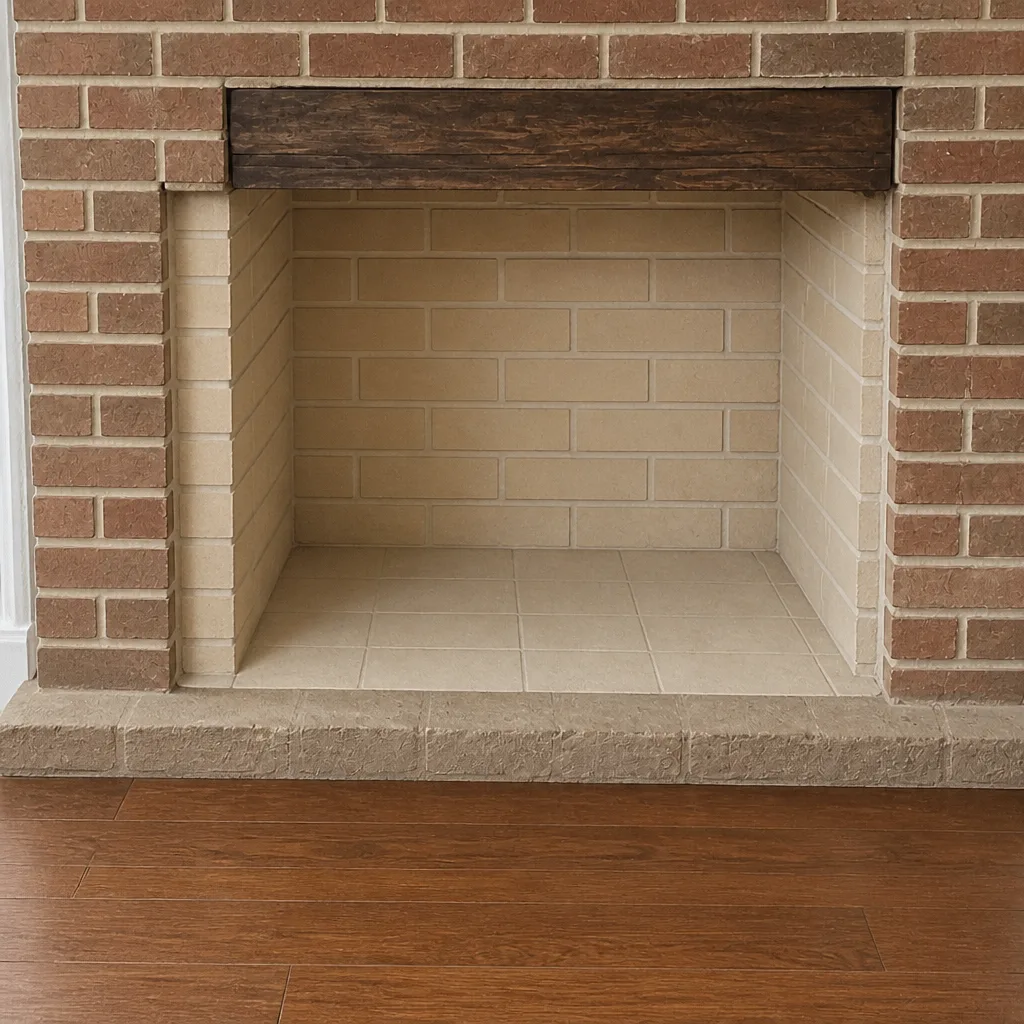 After
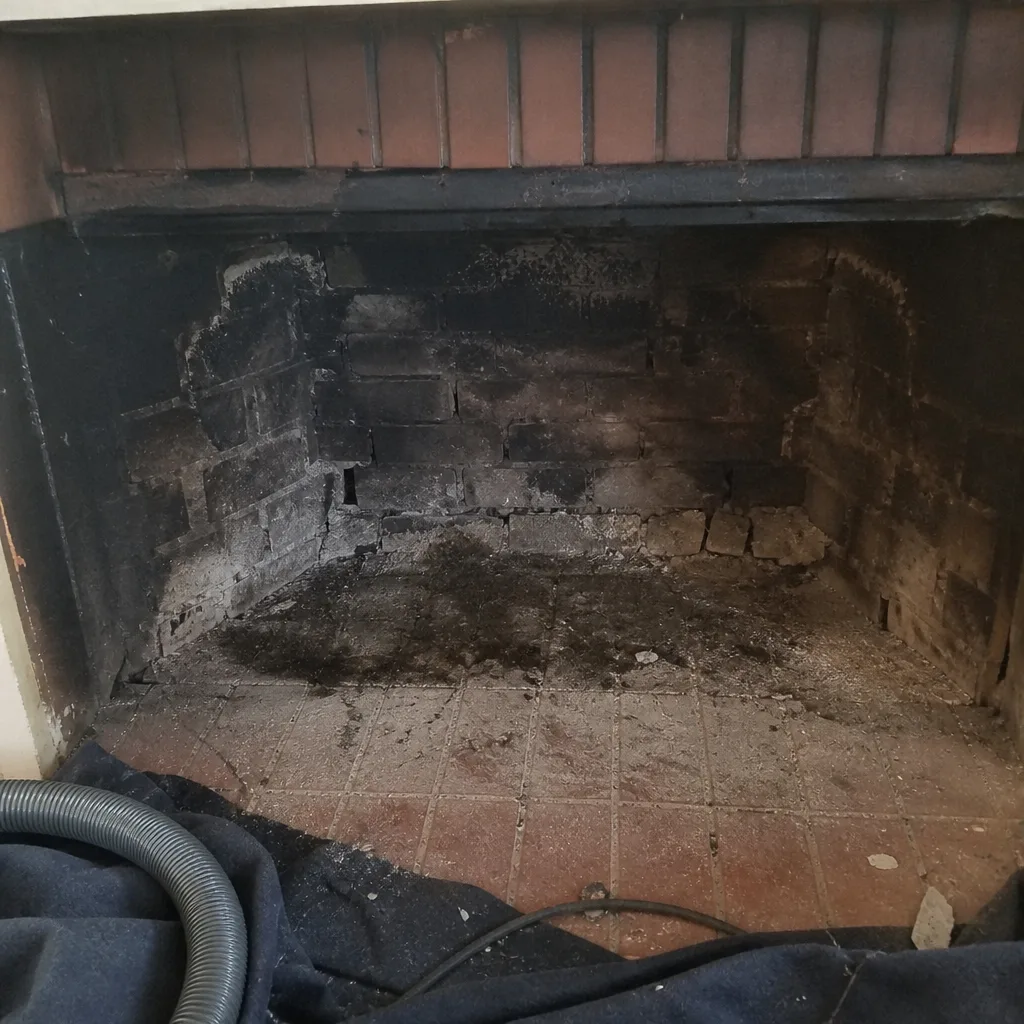 Before
 After
 Before
 After
When to Call a Professional
Call a professional for anything the flue and its structure are involved in: a new crack in the firebox, a change of appliance or fuel type, a chimney that drafts poorly, any repair that would require a permit, and every real estate transaction. Annual sweeping and Level 1 inspection are routine and belong on a schedule. Gas conversions and pre-sale inspections are one-time events that need a documented report, not a verbal opinion. If you’re unsure which category a specific issue falls into, the answer starts with an inspection. Chimney Sweep Gilbert offers free estimates in Gilbert – call (866) 942-9144. We answer 24/7. Fast dispatch from 7am to 7pm, Sunday through Friday. And when you’re ready to schedule, the process starts with a Chimney Sweep Gilbert inspection so the quote is built from what’s actually there.
Frequently Asked Questions
No. Routine chimney sweeping and Level 1 inspections don’t require a permit in Gilbert. Permits apply to structural work – relining, firebox rebuilds, crown and chase repair, and any change to gas appliance venting. If the technician recommends a repair that crosses into structural territory, the permit question applies. Call (866) 942-9144 for a free estimate and a straight answer on whether a permit is needed.
For routine annual service, Level 1 is standard. Level 2 is required for real estate transactions, changes in appliance or fuel type (including wood-to-gas conversions), and after a malfunction or a suspected issue. If you’re not sure which applies, describe the situation and we’ll tell you which level fits. Call (866) 942-9144 to schedule.
It can. Insurers commonly exclude losses caused by faulty or unpermitted work, and a structural repair without a permit can complicate a claim even if the repair itself wasn’t the cause. The permit and final inspection are the documentation that lets the insurer verify the work met code. If you’re unsure whether past work was permitted, a Level 2 inspection with a camera scan can document current condition. Call (866) 942-9144 to schedule one.
A Level 2 inspection includes everything in a Level 1 plus a video camera scan of the flue, inspection of accessible attic and crawlspace areas, and inspection of the chimney’s accessible exterior. It’s the level lenders and buyers typically expect on a real estate transaction. The report includes the camera findings with photos. Call (866) 942-9144 for a free estimate on a Level 2 inspection.
Yes. A fuel-type change is a permit-relevant modification and calls for a Level 2 inspection both before and after the conversion. The venting standards for gas differ from wood, and the flue and liner must be verified as correct for the gas appliance. If you moved into a Gilbert home with a converted fireplace and no documentation, a Level 2 inspection is the right first step. Call (866) 942-9144 to schedule one.
Permit review timing is set by the Town of Gilbert’s building division and varies with their workload and the completeness of the application. Plan for the process to add time: a job that would take a day may span a week or more once permit review and the inspection visit are included. We file the paperwork and coordinate the inspection as part of the job. Call (866) 942-9144 for a free estimate on the work itself.
The Bottom Line
Routine chimney sweeping in Gilbert doesn’t need a permit, and neither does a Level 1 inspection. Structural work does: relining, firebox rebuilds, crown and chase repairs, and any gas appliance venting change. Those are also the jobs where the paper trail matters most, because an unpermitted repair can quietly undercut an insurance claim years later. A Level 2 inspection with a camera scan and a written report is what documents the condition and closes the gap. Use it before a real estate transaction, after a wood-to-gas conversion, or whenever the history of a chimney is unclear. And when the work is done, whether it’s a sweep or a full reline, work with a company that handles cleaning, repair, and inspection as one accountable contractor from inspection through completion. Call (866) 942-9144 for a free estimate.
Written by the team at Chimney Sweep Gilbert.