
Last updated November 16, 2026
 Sweep & inspection
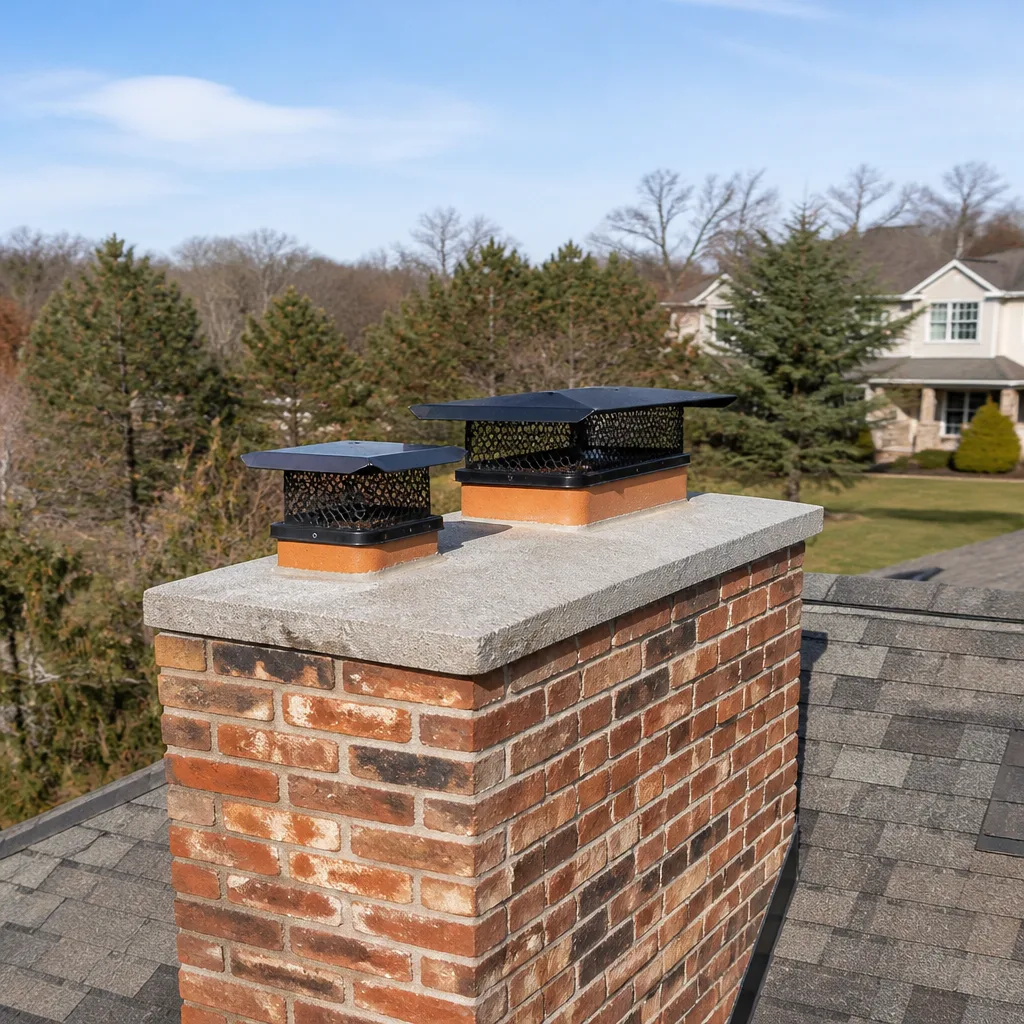
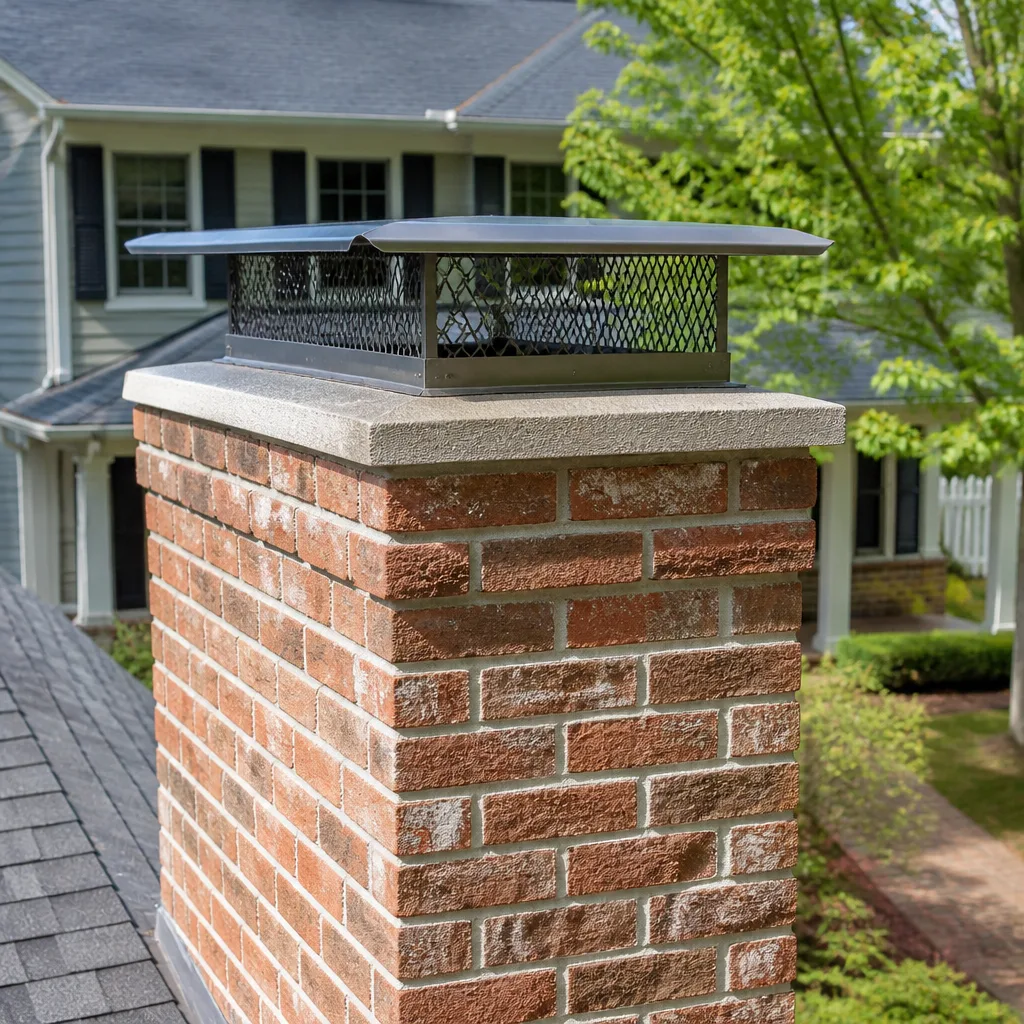 Caps & crowns
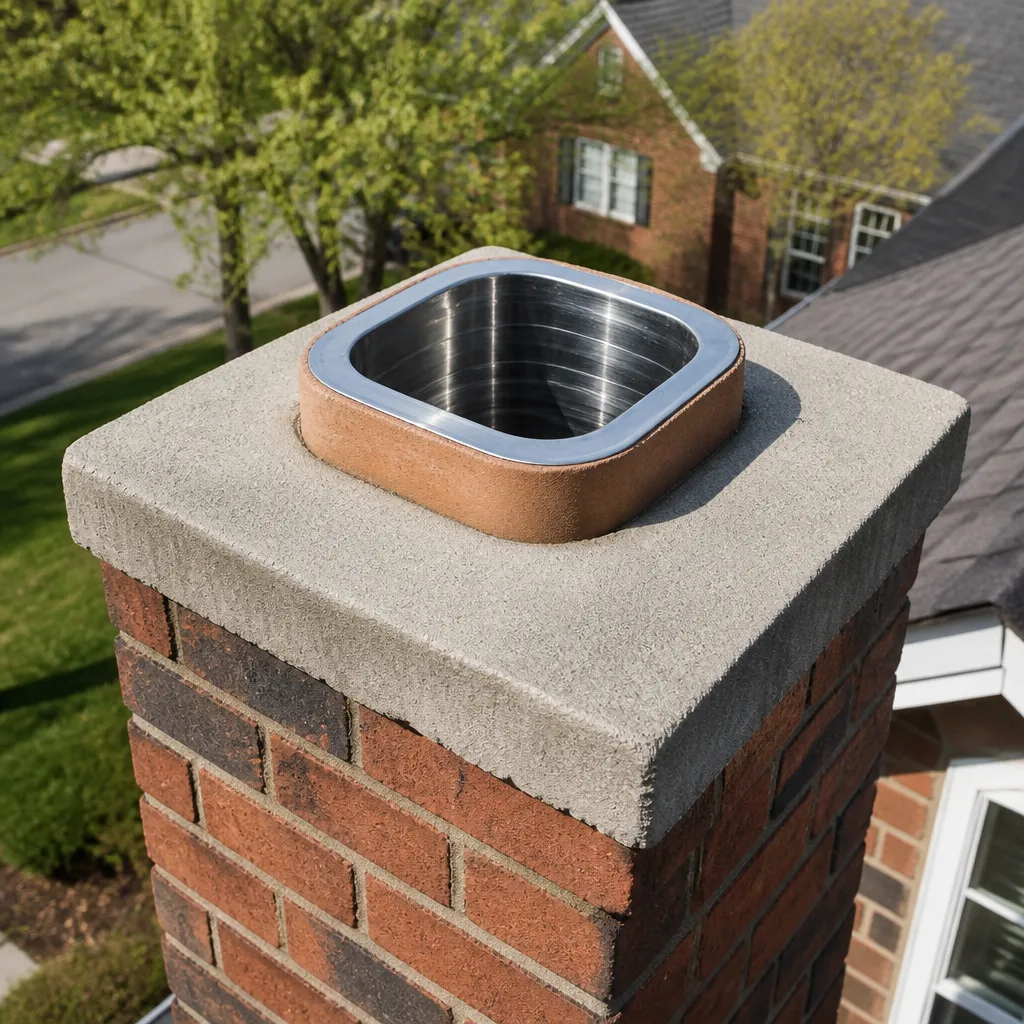 Flue relining
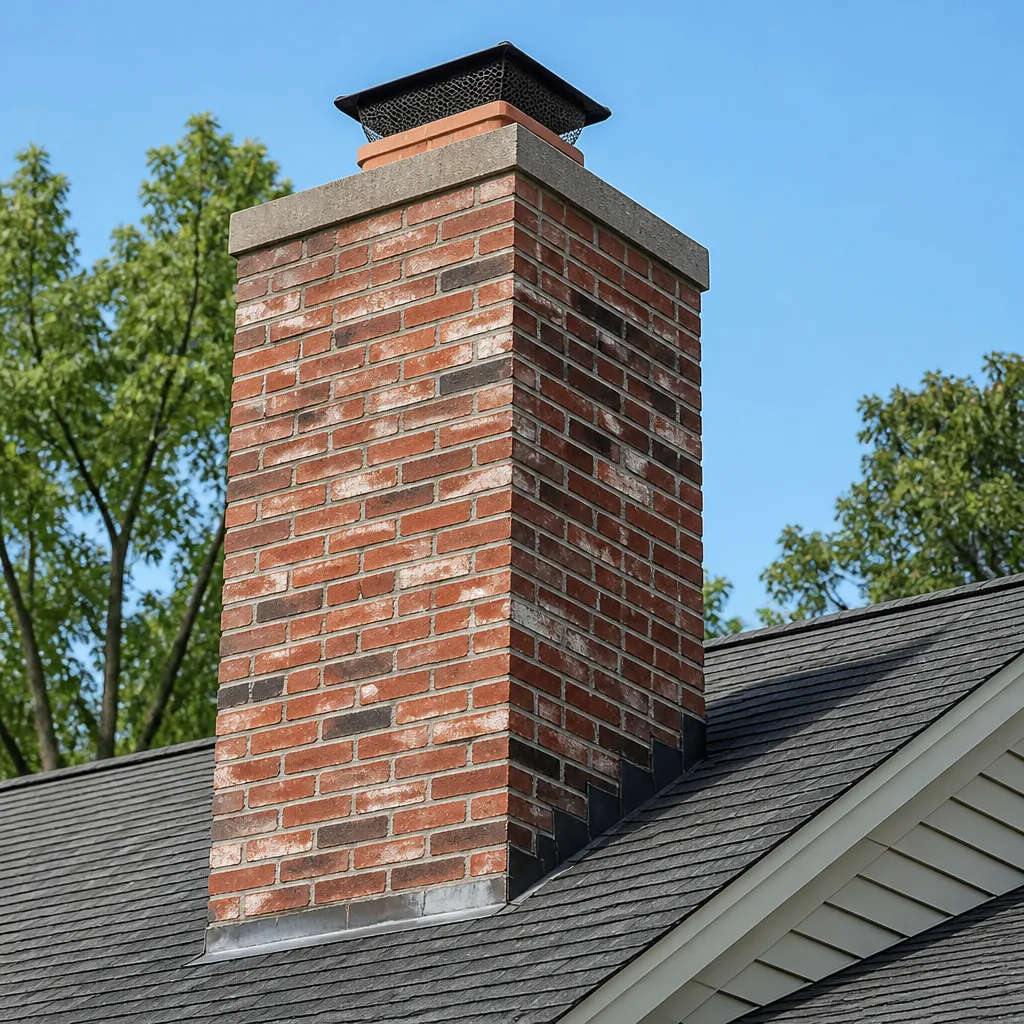 Masonry repair
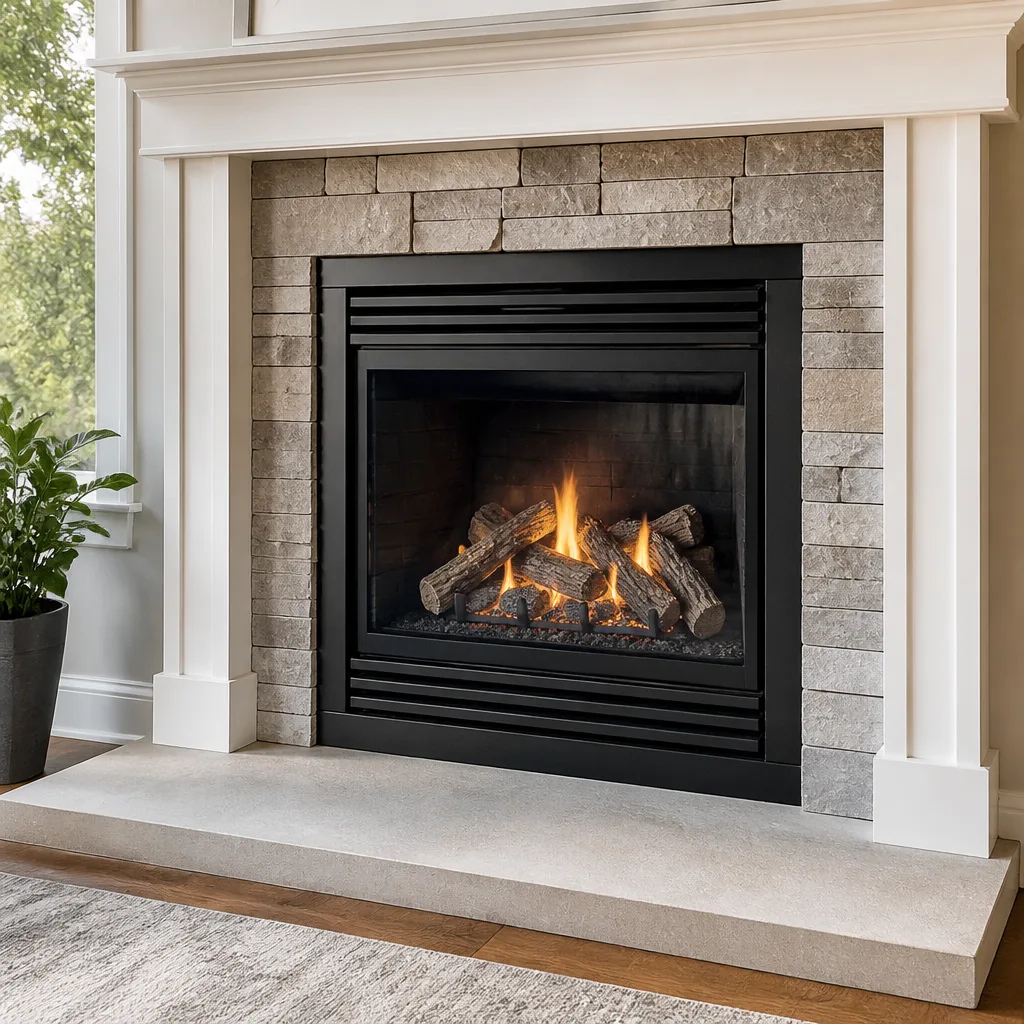 Gas fireplace service
Level 1 sweep and inspection to the NFPA 211 annual standard - flue, crown, cap, and flashing checked and photographed
Chimney sweep logs do not sweep chimneys. They loosen some creosote - which then falls where a brush and vacuum still have to collect it.
Chimney Cleaning Cost Breakdown: The Gilbert Homeowner’s Reference for 2026
Most homeowners assume a chimney sweep is a small, predictable expense, roughly the price of an oil change. That assumption is where budgets go sideways. In Gilbert, the same basic sweep can be quoted at two very different numbers by two providers with very different qualifications, and the gap almost always traces back to three variables: certification, equipment, and whether structural assessment comes included or shows up later as a surprise line item. This reference breaks down what each service tier should actually cost in 2026, what legitimately moves the number up or down, and how to tell a fair quote from one designed to expand.
Quick Answer
A basic chimney sweep in Gilbert typically costs $175 to $275. A sweep bundled with a Level 1 inspection runs $250 to $375, while a sweep plus Level 2 inspection ranges from $350 to $550. Repair work beyond cleaning is quoted separately, and full liner replacement generally lands between $2,800 and $6,500 depending on flue length and configuration. The written estimate, not the advertised special, sets the final price.
Styles & brands we work with
- Sweep & inspection
- Caps & crowns
- Flue relining
- Masonry repair
- Gas fireplace service
Table of Contents
- What are the 2026 price tiers for chimney cleaning in Gilbert?
- What legitimately drives chimney cleaning cost up or down?
- How does the low-price upsell model work, and how do you spot it?
- Why do professional-grade materials cost more, and does it matter?
- What’s the real cost difference between annual maintenance and deferred maintenance?
- What should be included in a flat-rate quote vs. a separate line item?
- How does Gilbert’s climate and housing affect chimney cleaning cost?
- How do you verify a quote before you book?
What are the 2026 price tiers for chimney cleaning in Gilbert?
Chimney cleaning isn’t one product. It’s a spectrum of services, and understanding which tier you actually need is the single biggest lever on your final cost.
- Basic sweep only – $175 to $275. Mechanical removal of soot and creosote from the firebox, smoke chamber, and accessible flue. No documented inspection report.
- Sweep + Level 1 inspection – $250 to $375. The sweep plus a visual examination of readily accessible portions of the chimney, with notes on condition. This is what most annual maintenance calls should include.
- Sweep + Level 2 inspection – $350 to $550. Adds a video camera scan of the flue interior and inspection of accessible attic and crawlspace areas. Required for real-estate transactions and recommended after any chimney fire, liner damage, or appliance change.
- Sweep + minor repair – $400 to $900. Common repairs include crown cracks, damaged caps, mortar joint repair, and damper work. Priced by the scope identified in the inspection.
- HeatShield liner resurfacing – $1,800 to $3,400. A mid-range option when the clay liner is deteriorated but structurally intact, where the flue can be rehabilitated rather than replaced.
- Full liner replacement with DuraFlex – $2,800 to $6,500. Required when the existing liner is cracked, spalling, or otherwise compromised. Price depends on flue height, configuration, and whether a cap and top-plate assembly are part of the job.
Gilbert houses built in the 1990s and 2000s often have straight, uncomplicated flue runs that keep a sweep on the lower end of these ranges. Older homes near the Heritage District, or any home where the flue has a bend or offset, take longer and land higher. When you call Chimney Sweep Gilbert, you get one company that covers the full range from basic sweep to liner replacement, so the price doesn’t disappear into a subcontractor markup halfway through.
What legitimately drives chimney cleaning cost up or down?
Legitimate price variation isn’t random. It comes from physical facts about your chimney that any honest provider can explain to you before the work starts.
- Chimney height and roofline access. A flue at 15 feet with a simple roofline takes less time and setup than a 30-foot run over a steep pitch. Access equipment and time on the roof are real costs.
- Flue configuration. Straight runs sweep quickly. Offsets, bends, and older masonry with irregular interior profiles take more passes and more care.
- Creosote stage. Stage 1 (sooty, light) is routine. Stage 2 (crusty, glazed patches) needs more mechanical effort. Stage 3 (hard, glazed, fuel-rich creosote) is a fire hazard and can require chemical treatment before the sweep is possible.
- Fireplace insert or appliance type. A gas or pellet appliance requires different cleaning tools and sometimes disassembly of a venting component. Wood-burning inserts add steps.
- Inspection level. A Level 2 inspection with a camera adds time and equipment. That’s a fair line item when it’s disclosed up front.
None of these are surprises to an experienced technician. Our technicians have up to 14 years of experience with flues of every type found in Gilbert, and the good ones can tell you roughly what they’re walking into from a few questions about the chimney before they arrive. If your quote can’t flex with those facts, it’s not really an estimate. It’s a number pulled out of a book.
How does the low-price upsell model work, and how do you spot it?
The deeply discounted sweep is a tactic with a long history in this trade. The advertised number is real, but it only covers a narrow slice of what a full visit actually involves. Once the technician is inside the home, additional “required” services are identified on the spot, and the invoice climbs. A homeowner who can’t independently verify what’s being shown to them has no choice but to accept the number.
That’s the reason we do inspections before we quote repairs. Anything we recommend comes with camera evidence the homeowner can see on screen, and we say plainly when work can safely wait. You should expect the same from anyone you hire.
Here’s how to spot the upsell model before you book:
- The advertised price is conspicuously lower than the range above, and the fine print doesn’t explain what’s excluded.
- The person on the phone can’t tell you whether an inspection report is included.
- You’re told a “hazardous” finding requires an immediate decision on the spot.
- Pricing for the add-on isn’t given until after the technician arrives.
- The company does sweeps but doesn’t do the repairs it then recommends – meaning the repair quote is being marked up through a third party.
The last point is worth its own note. When a sweep-only business finds a cracked liner or a failing crown, its only option is to hand the work to someone else. That handoff shows up in your invoice. A full-cycle company that handles the sweep, the repair, and the inspection in-house has no reason to inflate the number, because the number is honest work being performed by the same team. That’s how a chimney sweep should work.
Why do professional-grade materials cost more, and does it matter?
The material difference between trade-grade chimney components and hardware-store substitutes is not cosmetic. It affects how long the repair lasts and how it performs under continuous exposure to heat and moisture.
A few concrete examples:
- HeatShield resurfacing uses a proprietary ceramic-based sealant applied to the interior of the flue to fill cracks and smooth the surface. It’s not a paint-on patch. The material is specified to the flue diameter and cured after application. Homeowner-grade refractory cement work can score lower on durability and doesn’t come with the same application standards.
- DuraFlex flexible liners are engineered for a specific flue diameter and appliance type. A generic stainless liner that’s “close enough” restricts draft and can void the appliance warranty. The right liner for your flue is specified correctly or it shouldn’t go in.
- Gelco and Olympia Chimney components – for caps, dampers, and top-plate assemblies – are built to manufacturer spec. A $40 hardware-store cap fits loosely and lets water and animals in at the edge. A properly specified cap seals on the flue. The difference is $100 to $200 in the short term and the cost of a full top repair over five years.
We stock and install products from DuraFlex, HeatShield, Gelco, Olympia Chimney, Famco, and Copperfield because these brands are what the trade actually uses. Trade-grade materials, not hardware-store substitutes, is what makes a repair last past the next rainy season.
Material costs add roughly $200 to $600 to a repair job compared to improvised parts. That’s not where the money should go on a $3,000 liner replacement – the materials can be the difference between a job that works for decades and a failure within a few years.
What’s the real cost difference between annual maintenance and deferred maintenance?
Homeowners tend to treat chimney maintenance as discretionary. It isn’t, and the math is brutal when you run it forward.
Annual maintenance over a decade looks like this:
- 10 sweeps, roughly $175 to $275 each: $1,750 to $2,750
- Or 10 sweep-plus-Level 1 inspections, roughly $250 to $375 each: $2,500 to $3,750
Deferral looks like this:
- A $175 sweep becomes a $2,800 to $6,500 DuraFlex liner replacement within 5 to 10 years.
- Stage 3 creosote discovered during a sweep requires chemical treatment before sweeping can proceed – an added $150 to $400, and a delay of days.
- Cracked crowns and failed mortar, if ignored, can migrate from a $400 to $900 repair into a masonry rebuild in the thousands.
- Chimney fires caused by creosote buildup are the catastrophic outcome of deferral, and the insurance implications of a preventable fire are not worth anything else in this article.
Replacement isn’t always avoidable. Some flues fail because of construction quality or original installation, regardless of care. But for most Gilbert homes, deferral trades a $200 annual call for a multi-thousand-dollar repair within a decade. The math on deferral is rarely presented honestly because it doesn’t help sell a $79 special. Run it yourself and the choice becomes obvious.
What should be included in a flat-rate quote vs. a separate line item?
Understanding this section is what separates a well-priced job from a job that grows. A flat-rate cleaning quote should include the following, with no add-ons for routine items:
- Mechanical sweeping of the firebox, smoke chamber, and accessible flue
- Drop cloths and floor protection, plus cleanup of soot and debris from the work area
- Visual check of the damper, firebox, and accessible cap
- Disposal of the collected debris
Legitimately separate line items include:
- Level 2 inspection with camera – adds time and equipment. Fair to quote as a separate service, not an upcharge.
- Chemical treatment for Stage 3 creosote – required before sweeping in that condition.
- Repairs identified by inspection – crown work, mortar joint repair, damper replacement, cap or top-plate redesign. Each should be quoted with a written scope, materials specified, and a price.
- Liner resurfacing or replacement – priced on its own, with evidence supporting the need.
What should never be a line item: a “technician visit fee” on top of an hourly rate, a fee disclosed only after the sweep, or a hazard fee for a condition that should have been part of the original estimate. If your quote includes one, ask why. For a broader view of what repair work involves in this market, our chimney repair guide covers the scopes and how they’re priced.
How does Gilbert’s climate and housing affect chimney cleaning cost?
Gilbert’s climate creates a specific creosote pattern that shows up in a lot of chimneys here. Winters are mild, which means most fireplaces burn intermittently rather than continuously. Intermittent use with a wood-burning fireplace produces cooler flue temperatures and less complete combustion than a continuous burn, and cooler flues deposit creosote more aggressively. We see more Stage 2 conditions at a given burn volume than you’d expect, because the burning pattern is start-and-stop rather than a steady airstream.
Gilbert’s housing stock amplifies this. Many homes in the area were built quickly and consistently in the 1990s and 2000s, and the fireplaces in those homes are mostly wood-burning masonry or factory-built units with flue configurations that vary by builder. Neighborhoods like Power Ranch and Agritopia have a lot of the same era and mostly similar construction, which means most homeowners here face the same questions. But the flue build varies enough that you can’t assume your chimney matches your neighbor’s.
One more local factor: the dry, warm season means the fireplace sits unused for months. That’s not a problem for the flue itself, but it’s the season when insects and animals most reliably move into an uncapped flue. A properly specified cap from a name brand like Gelco or Olympia Chimney is a $150 to $300 line item that prevents a $500 to $1,500 problem down the road.
How do you verify a quote before you book?
- Ask what tier the price covers. A basic sweep is different from a sweep-plus-inspection. The two numbers aren’t comparable. Get the quote in writing with the tier named.
- Ask whether the inspection is included. If the answer is “we’ll see,” that’s a signal. An honest provider will tell you ahead of time whether you’re getting a report.
- Ask for the material brand. HeatShield, DuraFlex, Gelco, Olympia Chimney, Famco, and Copperfield are real, verifiable trade names. If the brand isn’t named, that’s not enough information to judge the price.
- Ask what’s excluded. Caps, damper work, and camera inspection are commonly separate. Get the list in writing.
- Ask what the estimate is based on. If it’s a firm price on the scope described, good. If it’s a “starting at,” ask what would cause the price to change.
- Ask for evidence. If a repair is recommended, ask to see the camera footage or photos. A written repair quote should come with the documentation that justifies it.
If you’re in Gilbert and want a straight answer on what your chimney needs, call (866) 942-9144. We answer 24/7. Fast dispatch from 7am to 7pm, Sunday through Friday.
Common Mistakes to Avoid
- Treating an advertised special as the price. The advertised figure is real but narrow. It rarely reflects the final invoice, and the gap is where the surprises live. Get the all-in number for the scope you actually need.
- Skipping the inspection to save $75. The $75 you save on an inspection is the reason you might spend $3,000 on a liner you didn’t know was cracking. A Level 1 inspection with your annual sweep costs less than a single failed repair.
- Burning unseasoned wood to save on fuel. Wet wood produces more creosote per cord, and the extra Stage 2 buildup is the reason some Gilbert chimneys look worse than their burn volume would suggest. Seasoned wood is cheaper per decade than the liner replacement it prevents.
- Assuming a gas fireplace is maintenance-free. Gas units still vent, still deposit residues in the flue, and still need periodic cleaning. Skipping it because there’s no visible smoke is a common mistake.
- Waiting until a real estate transaction to get a Level 2 inspection. Pre-sale inspection demand is high, and the timeline is fixed by the transaction. Booking ahead of the sale window is cheaper and less stressful.
- Letting an uncapped flue go through monsoon season. The dry months are when animals and debris move in. A cap is a small cost that avoids a larger removal and repair bill.
- Accepting “we found a problem” without documentation. A camera inspection and photo report are the only way to see what’s being recommended. If the provider isn’t willing to show you, ask why.
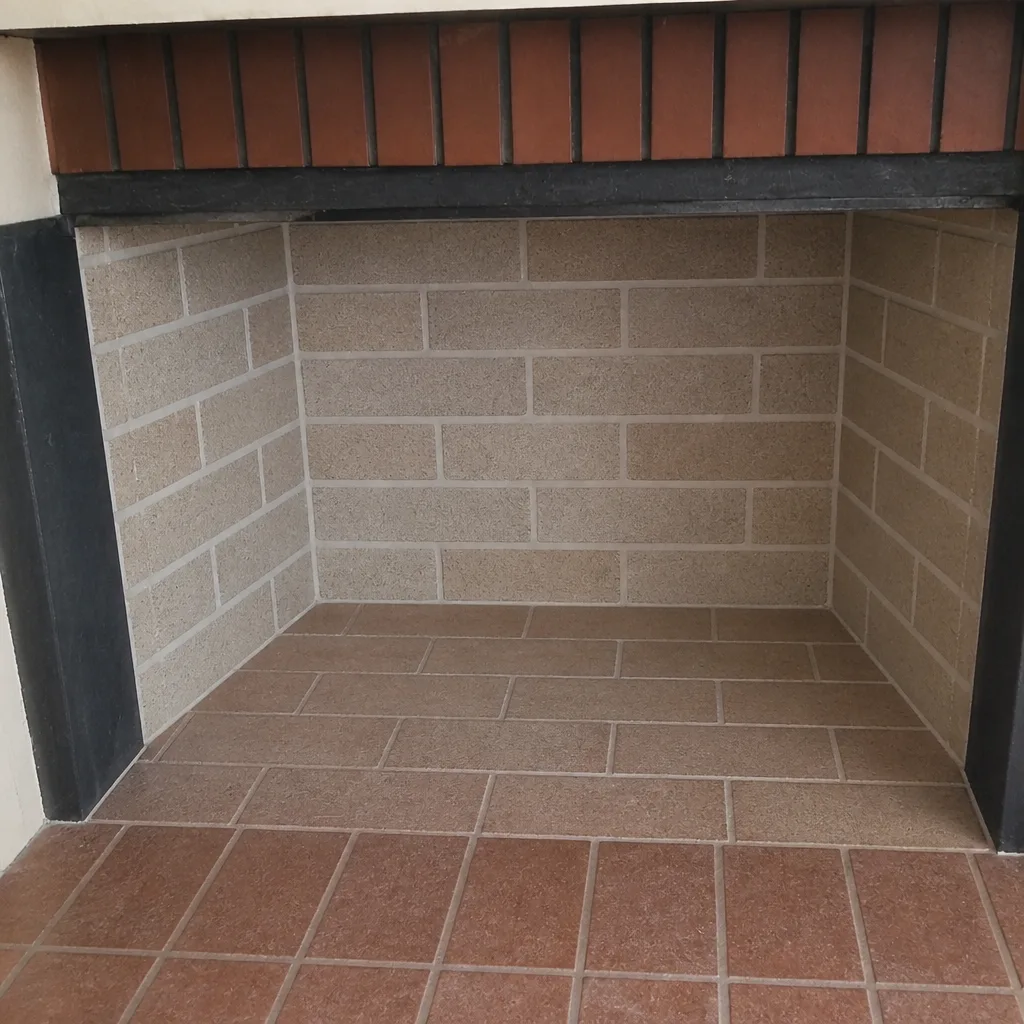
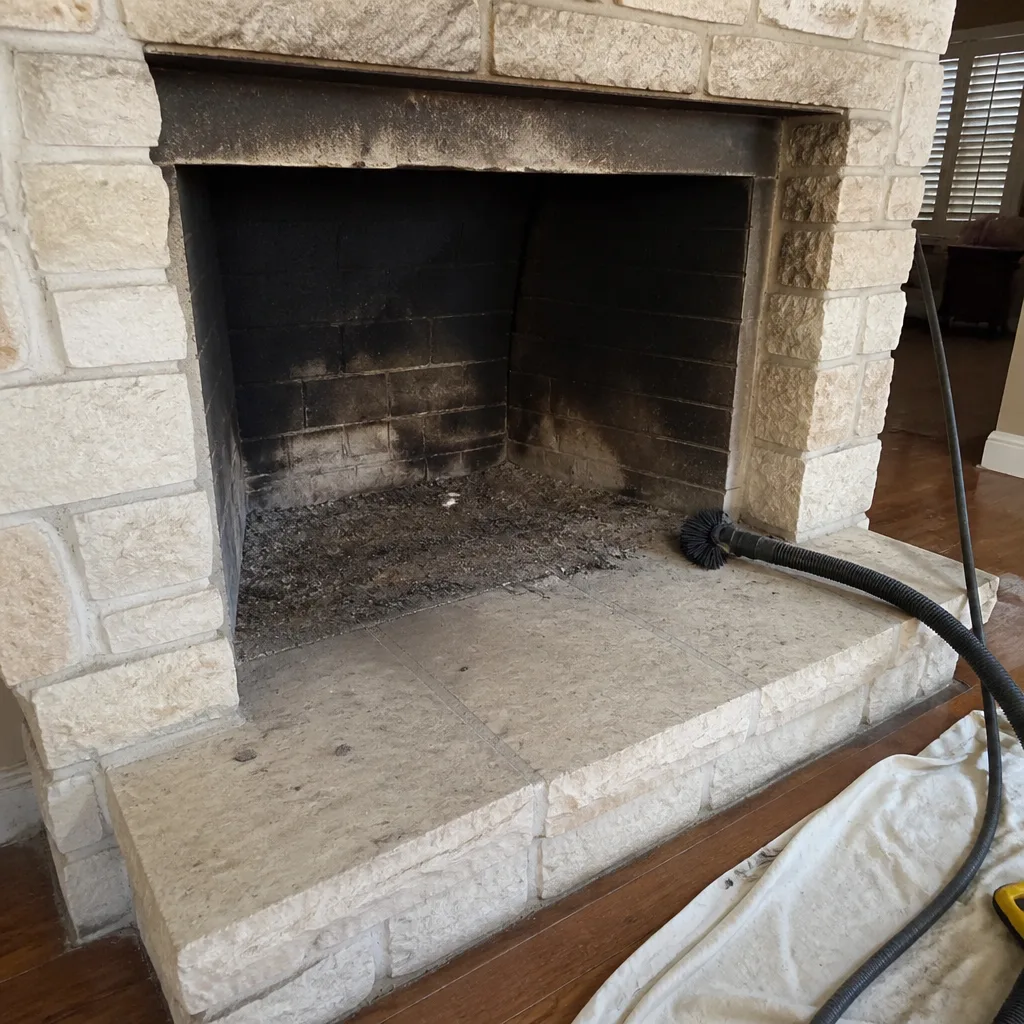
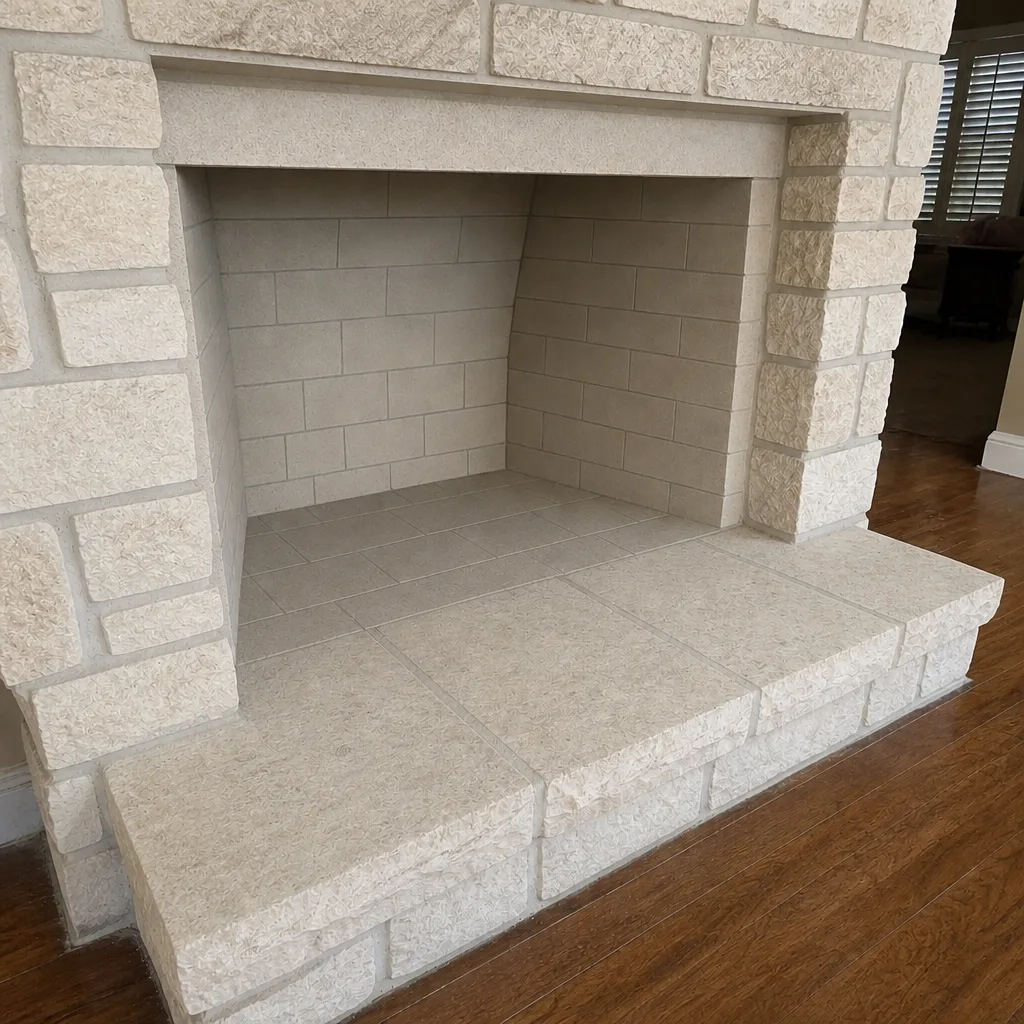
See the difference
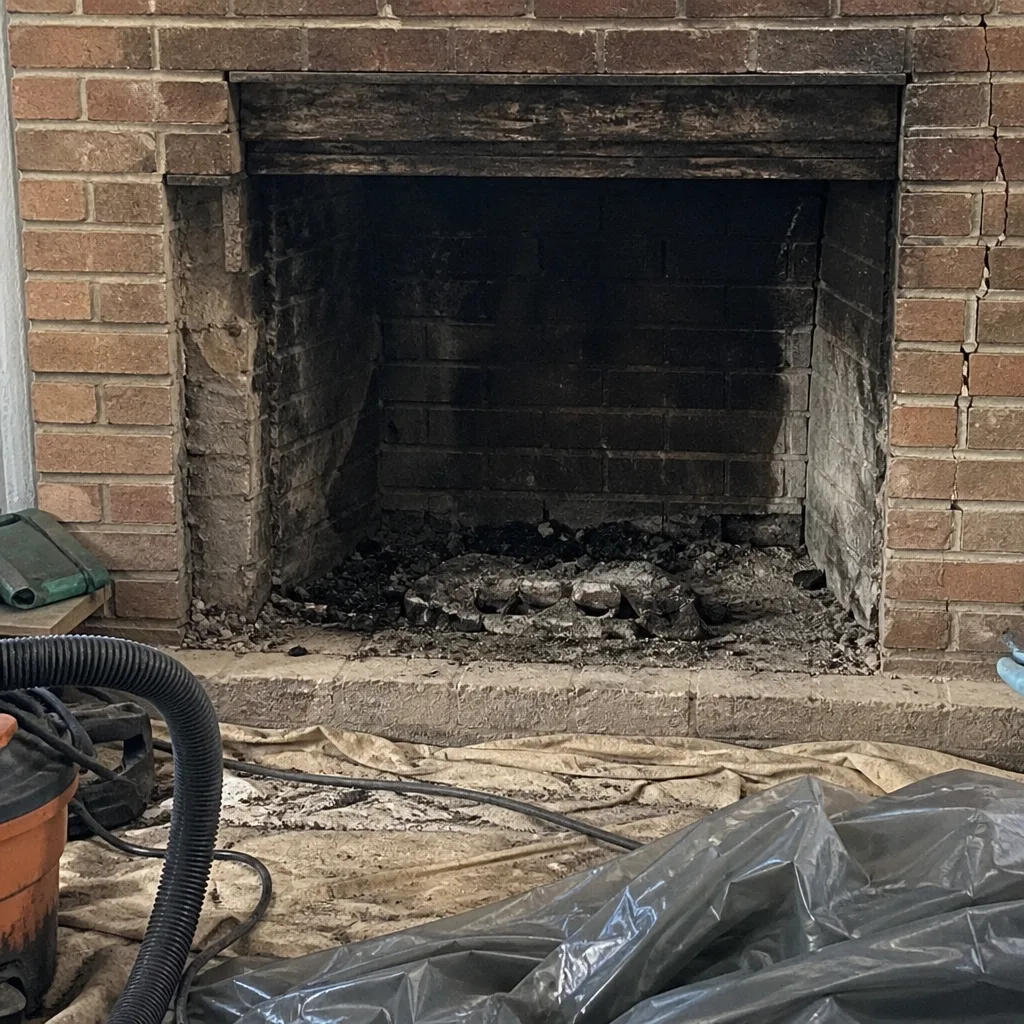 Before
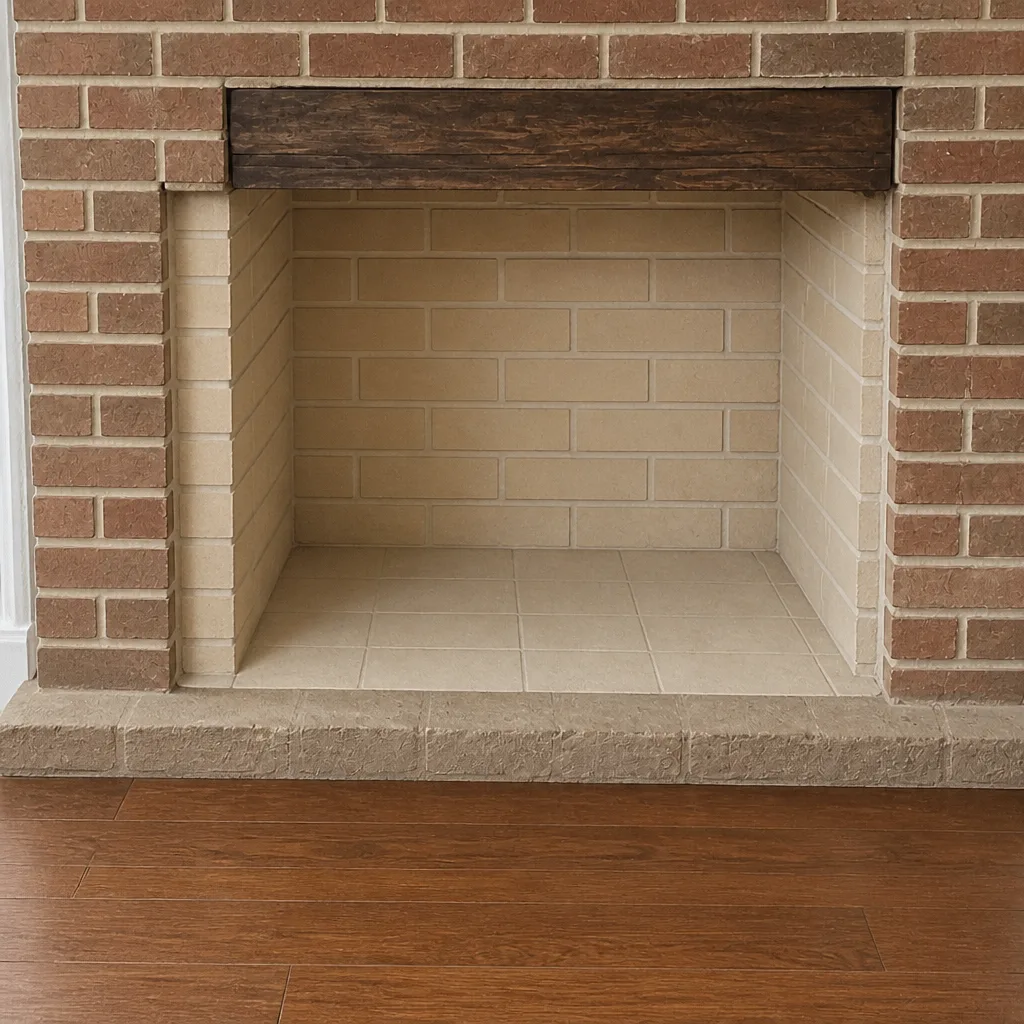 After
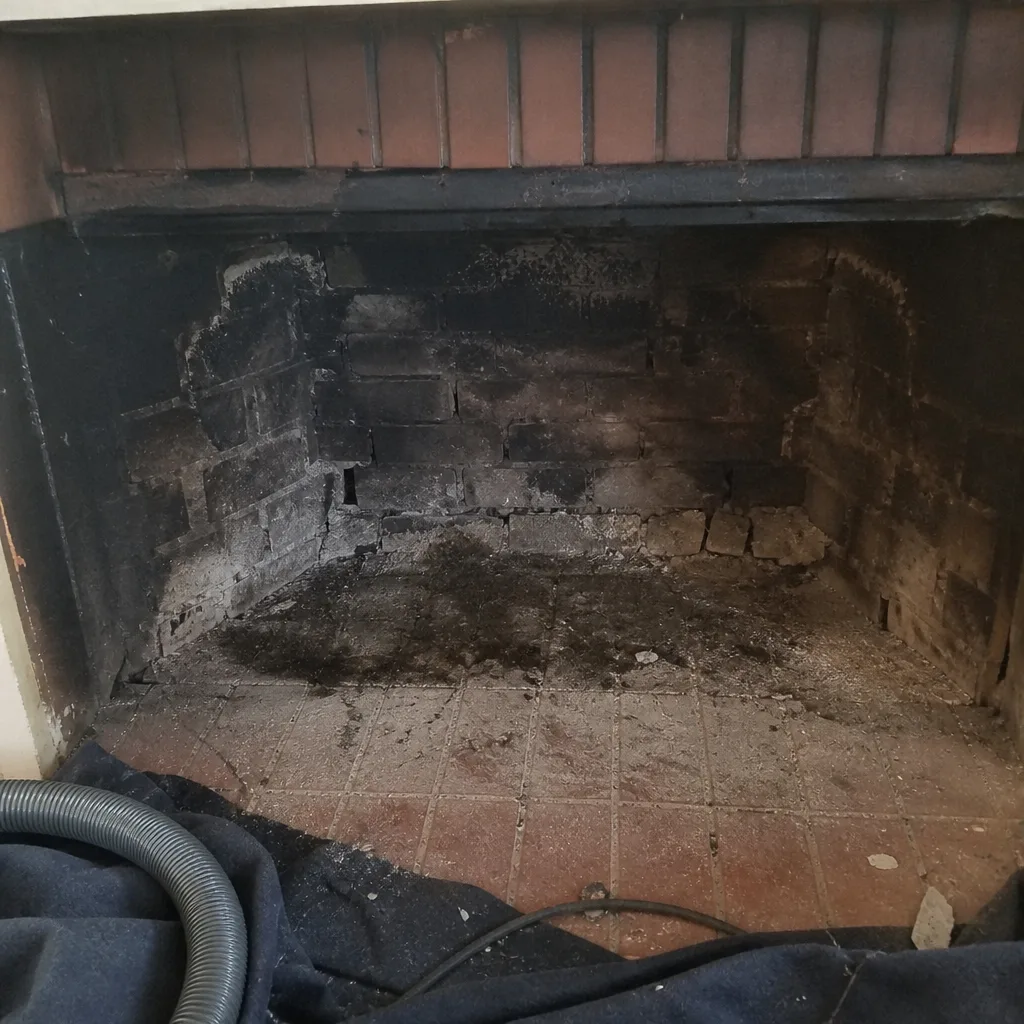 Before
 After
 Before
 After
When to Call a Professional
Call for an annual sweep and inspection if you burn wood regularly and haven’t had the chimney cleaned in the last year. Call for a Level 2 inspection if you’ve just bought the home, if you’ve had a chimney fire, if the liner construction is uncertain, or if you’re selling and the buyer needs a documented report. Call for repair if you notice cracked masonry, a damaged crown, a loose or stuck damper, a cap that’s come off, or staining on the exterior that suggests moisture intrusion. And call if you smell a strong odor in warm weather, which often means creosote residue is mobilizing in the flue. Chimney Sweep Gilbert offers free estimates in Gilbert – call (866) 942-9144. We answer 24/7. Fast dispatch from 7am to 7pm, Sunday through Friday.
Frequently Asked Questions
A basic chimney sweep in Gilbert typically runs $175 to $275, and a sweep bundled with a Level 1 inspection is usually $250 to $375. The final number depends on flue height, configuration, and creosote stage. Call (866) 942-9144 for an exact quote – estimates are free.
Not always. A liner needs replacement when camera inspection shows cracking, spalling, or gaps that can’t be resealed. In some cases HeatShield resurfacing can rehabilitate a deteriorated liner for substantially less than full replacement. The recommendation should come with footage you can see for yourself, and it’s acceptable to ask what would happen if you waited. Call (866) 942-9144 to schedule the inspection that answers this for your specific chimney.
Once a year for wood-burning fireplaces and appliances is the standard recommendation. In Gilbert, where fireplaces are often used intermittently rather than continuously, that annual visit is when creosote buildup gets caught before it hardens into a Stage 3 problem. If you burn frequently or the flue is uncapped, more often may be appropriate. Call (866) 942-9144 to book your inspection and get a schedule recommendation for your fireplace.
Creosote accumulates, and at Stage 3 it becomes a fire hazard that can’t be removed by the usual mechanical tools. It can also force a delay while chemical treatment is applied. Separately, the annual inspection that usually accompanies a sweep is when cracks, crown damage, and moisture problems get caught while they’re still small repairs. Call (866) 942-9144 to get on a maintenance schedule before the next burning season.
A Level 1 inspection is a visual examination of readily accessible portions of the chimney during a routine visit. A Level 2 inspection adds a video camera scan of the flue interior and inspection of accessible attic, crawlspace, and other concealed areas, and it’s required by most real estate transactions. The cost difference in Gilbert is roughly $100 to $175. Call (866) 942-9144 to schedule a Level 2 for a real-estate inspection or after a chimney fire.
Yes. Small, slow-burning chimney fires can go undetected while causing cumulative damage to the flue structure that only shows up in a camera inspection. That’s why a Level 2 inspection after any suspected fire is not optional. If you’ve heard a low rumble, seen puffs of smoke from the top of the chimney, or found discolored creosote, schedule a camera inspection. Call (866) 942-9144 to book one.
The Bottom Line
Chimney cleaning in Gilbert in 2026 is a service with a clear price range: $175 to $275 for a basic sweep, $250 to $375 with a Level 1 inspection, $350 to $550 for a Level 2, and separate quotes for repair and relining. What moves the number within those ranges is physical fact – flue height, configuration, creosote stage – not a special that appears lower and ends up higher. The safest defense against a runaway invoice is a written estimate on a named scope, an inspection with camera evidence before any repair is recommended, and a provider who handles the sweeping, the repair, and the inspection as one accountable job. For homeowners in Gilbert, that combination is what makes the annual expense predictable. Pick a provider based on what they can show you, and the price will follow.
Contact
If you want a straight answer on what your chimney actually needs and what it will cost, call Chimney Sweep Gilbert at (866) 942-9144 for a free estimate. We answer 24/7. Fast dispatch from 7am to 7pm, Sunday through Friday. Sweep, repair, and inspection are handled by the same team, with trade-grade materials specified for your flue and every recommendation backed by inspection evidence you can see for yourself.
Written by the team at Chimney Sweep Gilbert.